Life
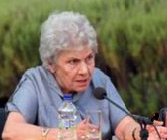
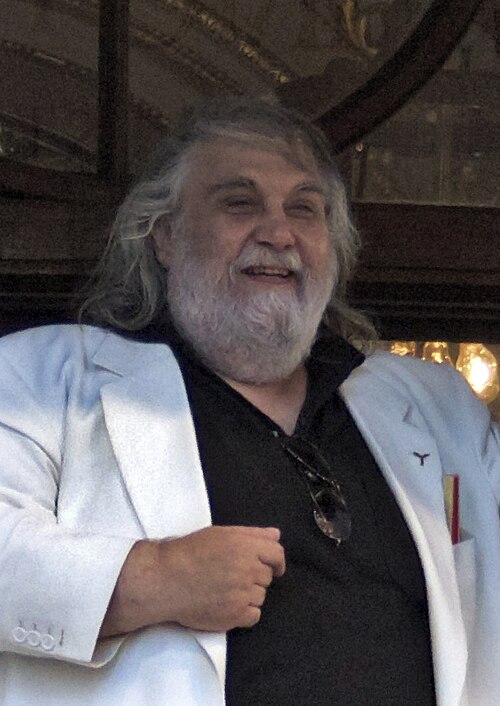
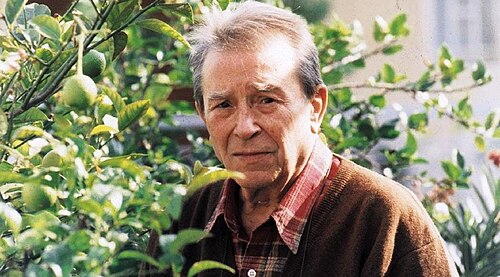
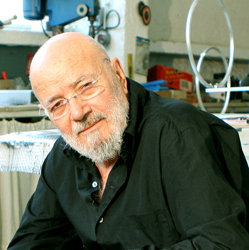
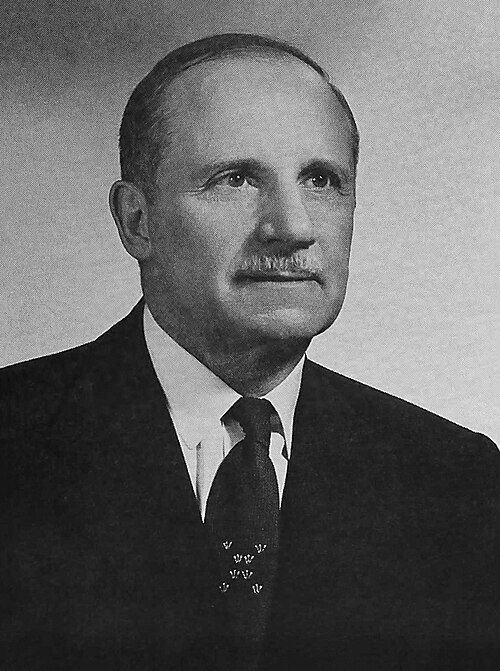
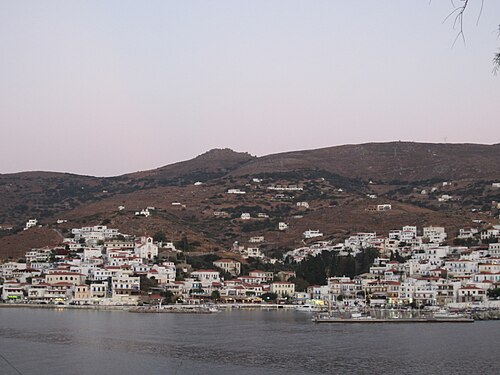
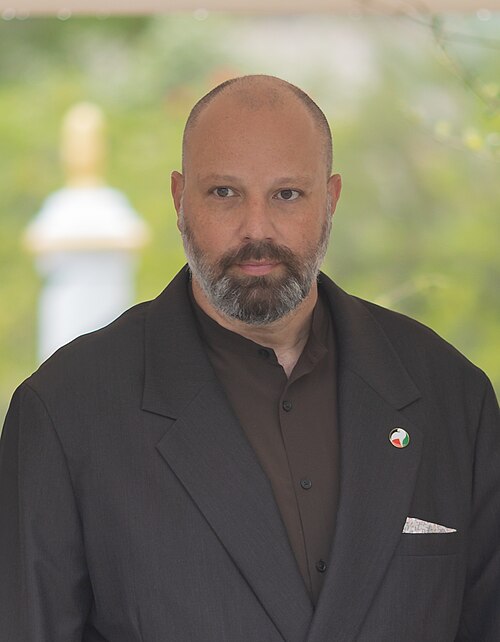
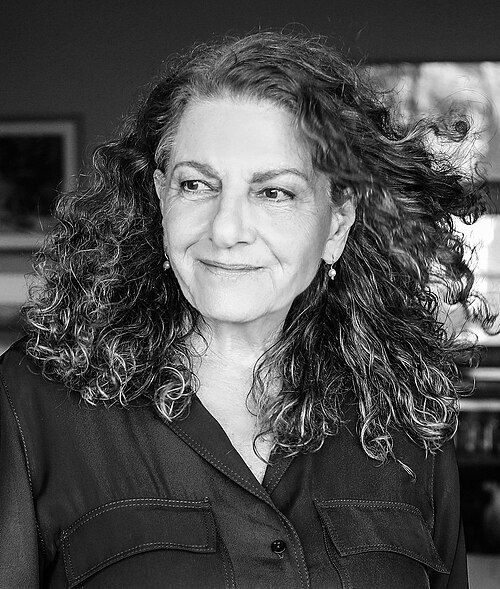
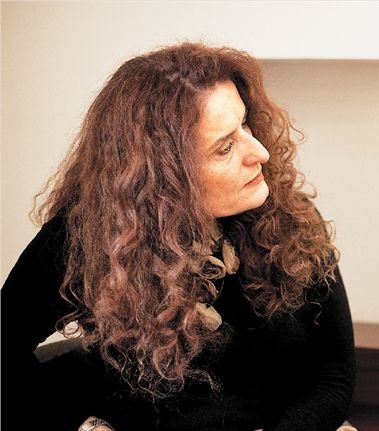
Vassilis Alexakis (also spelled Vasilis Alexakis) was born in Athens on 25 December 1943 and grew up in the district of Kallithea; his family came from Santorini. In 1961, aged 17 and without knowing French, he went to France on a scholarship to study journalism in Lille. He returned to Greece around 1964 for military service. After the colonels’ coup of 1967 he left again, and in 1968 he settled in Paris, which remained his main home for the rest of his life.
In Paris he worked as a journalist and book critic, contributing for many years to Le Monde and also to La Croix and France Culture. He drew cartoons and directed short films. His first novel, Le Sandwich, came out in French in 1974. Around 1980 he published Τάλγκο (Talgo), his first book written in Greek; it sold more than 200,000 copies and was filmed in 1984 by Giorgos Tsemperopoulos as Ξαφνικός έρωτας (Sudden Love). From then on he moved his books between French and Greek, translating or rewriting them himself.
His honours included the Prix Médicis in 1995, several prizes of the Académie française and the Greek State Prize for the novel in 2004. In 2017 the University of Athens made him an honorary doctor. He divided his time between Paris, Athens and the island of Tinos, and died in Athens on 11 January 2021, aged 77.
Works
Language is the main character of Alexakis’s mature books. In Η μητρική γλώσσα (The Mother Tongue, 1995), Pavlos, a Greek illustrator living in Paris, returns to Greece and tries to discover the meaning of the letter E that once hung at the entrance of Apollo’s temple at Delphi. The search becomes a way of reconnecting with his country, his family and his first language. Alexakis wrote the Greek text and also produced the French version, La Langue maternelle, which won the Prix Médicis.
Οι ξένες λέξεις (Foreign Words, 2002) turns to a third language: its narrator learns Sango, a language of the Central African Republic. Alexakis himself learned Sango and travelled to Central Africa; in a 2008 interview he said he found the frame of two languages too narrow. Foreign Words was his first novel translated into English. In μ.Χ. (Ap. J.-C., 2007) a student of ancient history investigates the monasteries of Mount Athos for a very old, wealthy woman; the book criticises the power of the Orthodox Church and won the Grand Prix du roman of the Académie française. His last novel, Το κλαρινέτο (The Clarinet, 2015), mourns his friend and publisher Jean-Marc Roberts while describing Greece in the economic crisis. Irony and dark humour run through all these books, together with close attention to single words.
Legacy in Greece today
In Greece Alexakis is read as a writer who brought emigration and bilingualism into Greek fiction, and his Greek books remain in print. He is also a natural guide for anyone learning Greek as a second language. Start with his own sentence in the box below: the mother tongue is not “the mother’s language” but the language of the street, the local language. Find μητρική γλώσσα (mother tongue) and ξένη γλώσσα (foreign language) in this page’s Greek passage. Then write three sentences of your own language biography, for example: Η μητρική μου γλώσσα είναι… (My mother tongue is…) and Έμαθα την πρώτη ξένη γλώσσα στο σχολείο (I learned my first foreign language at school). Finally, look at the key works and say in Greek which language one book was first written in: Το «Τάλγκο» γράφτηκε στα ελληνικά (Talgo was written in Greek).
Did you know?
- He arrived in France at 17 without speaking French and later won major French literary prizes.
- He learned Sango, a language of the Central African Republic, and made it the subject of a novel.
- Τάλγκο (Talgo) was turned into the 1984 film Ξαφνικός έρωτας (Sudden Love).
- In a 2008 interview he said that he wrote with difficulty in both of his languages.
Key works
| Greek title | Title | Year |
|---|---|---|
| Le Sandwich | The Sandwich — written in French | 1974 |
| Τάλγκο | Talgo — written in Greek | c. 1980 |
| Η μητρική γλώσσα | The Mother Tongue | 1995 |
| Οι ξένες λέξεις | Foreign Words | 2002 |
| μ.Χ. | A.D. (Ap. J.-C.) | 2007 |
| Το κλαρινέτο | The Clarinet | 2015 |
A line to remember
Η «μητρική γλώσσα» δεν είναι η γλώσσα «της μάνας», είναι η γλώσσα του δρόμου, η τοπική γλώσσα.
I «mitrikí glóssa» den íne i glóssa «tis mánas», íne i glóssa tou drómou, i topikí glóssa.
The “mother tongue” is not the language “of mum”; it is the language of the street, the local language.