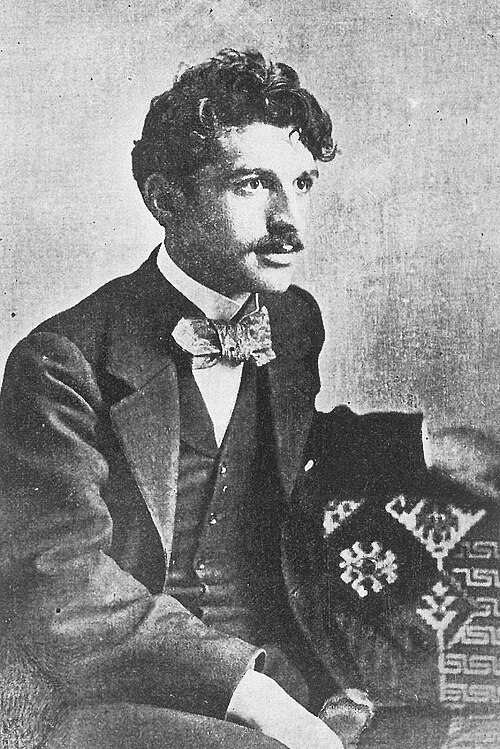
Life
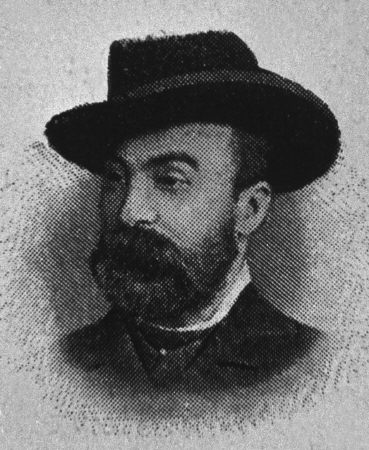
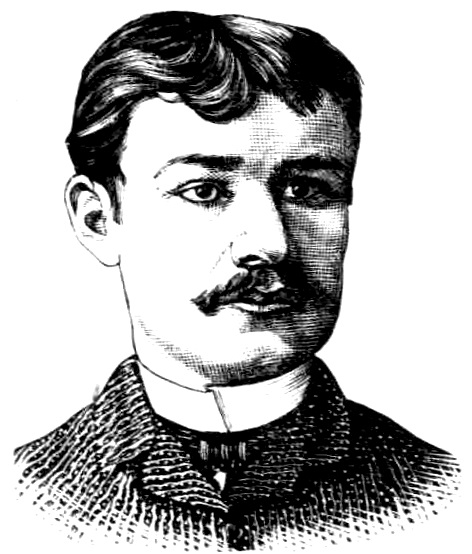
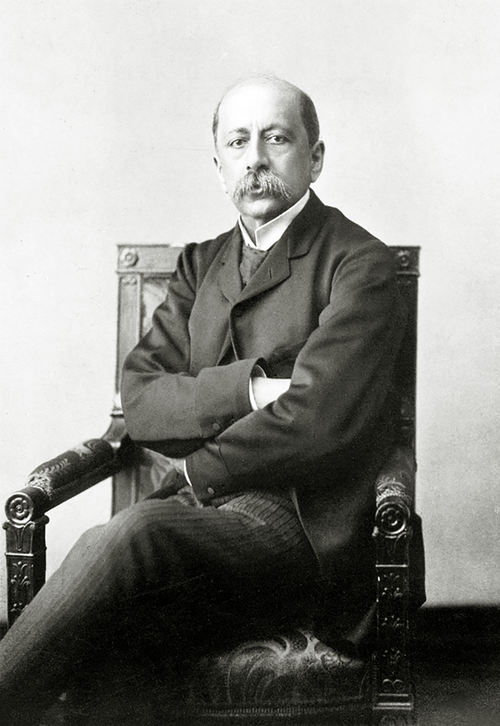
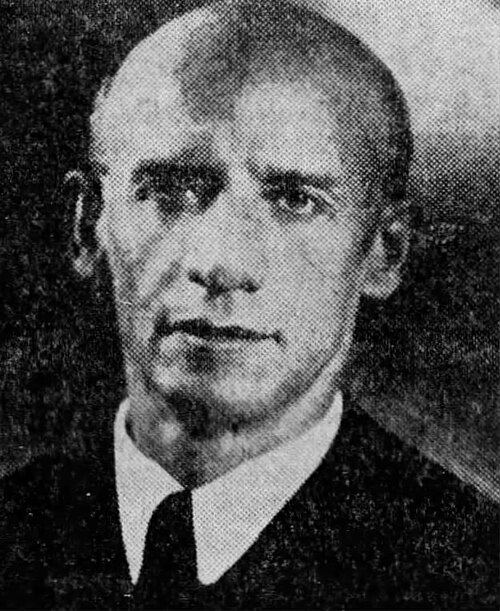
Papantoniou was born in 1877 in Karpenisi, a small town surrounded by the fir forests and high peaks of Evrytania in Central Greece. The mountains of his childhood stayed with him all his life and became the setting of his most famous book. As a young man he moved to Athens, where he began writing for newspapers and literary magazines; he published poems, short prose pieces and reviews, and soon became known as a sharp and elegant critic.
From 1908 to 1910 he lived in Paris as the correspondent of the Athenian newspaper Εμπρός, writing about French life and art, and he came back with a wide knowledge of European painting. He was a committed δημοτικιστής, a supporter of demotic Greek, in the long struggle known as the «γλωσσικό ζήτημα» (the language question) against the learned, archaic katharevousa.
In 1917 the government of Eleftherios Venizelos launched a reform that brought demotic Greek into the first classes of primary school, led by the educators Alexandros Delmouzos, Dimitris Glinos and Manolis Triantafyllidis. Papantoniou was asked to write a reader, and the result was Τα ψηλά βουνά (1918). In 1918 he was also appointed director of the National Gallery in Athens, and he remained linked to it until his death. In 1938 he was elected a member of the Academy of Athens. He died in Athens on 1 February 1940.
Works

Τα ψηλά βουνά (The High Mountains) tells the story of a group of schoolboys who spend a summer in the mountains with their teacher. Far from the town, they build their own huts, cook, divide the work among themselves, make their own rules and learn from the forest, the animals, the shepherds and the weather. Every chapter is a small adventure, and every adventure teaches something: cooperation, responsibility, love of nature and of the Greek countryside. The language is simple, lively demotic Greek, the Greek of everyday speech, written for children to read with pleasure.
This was revolutionary. Until then Greek children had learned to read from books in katharevousa, a language they did not speak at home. The new readers, of which Τα ψηλά βουνά is the most famous, were attacked by conservatives as dangerous to religion and the nation. After the elections of 1920 the new government withdrew them from the schools. The book returned to schools later, and has been reprinted ever since.
Papantoniou was also a fine prose writer, as in the prose poems of Πεζοί ρυθμοί (Prose Rhythms, 1923), and for decades one of the leading art critics in Greece, writing in newspapers about Greek and European painting.
Legacy in Greece today
Τα ψηλά βουνά is still in print, and many older Greeks remember reading it at school; it is a natural first «real» book for a learner, because its Greek is clear and close to today's language. In Karpenisi he is remembered as the town's writer, and the mountains around it, Velouchi and the forests of Evrytania, are exactly the landscape of the book: a walk there is the best commentary. Histories of Greek education always mention him with Delmouzos, Glinos and Triantafyllidis as part of the battle that made demotic the language of Greek schools.
Did you know?
- Τα ψηλά βουνά (1918) was one of the first official Greek school books written in demotic rather than katharevousa.
- After the change of government in 1920 the book was withdrawn from schools, only to return later.
- He was appointed director of the National Gallery in Athens in 1918, the same year his reader appeared.
- The mountains of the book are those of his native Evrytania, around Karpenisi.
Key works
| Greek title | Title | Year |
|---|---|---|
| Τα ψηλά βουνά | The High Mountains (school reader) | 1918 |
| Διευθυντής της Εθνικής Πινακοθήκης | Director of the National Gallery, Athens | 1918 |
| Χελιδόνια | Swallows (poems for children) | 1920 |
| Πεζοί ρυθμοί | Prose Rhythms (prose poems) | 1923 |
| Μέλος της Ακαδημίας Αθηνών | Elected to the Academy of Athens | 1938 |
From the works


Public-domain pictures from Wikimedia Commons.
A line to remember
Τα ψηλά βουνά
Ta psila vouna
The high mountains