Life
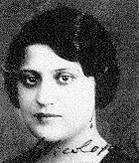
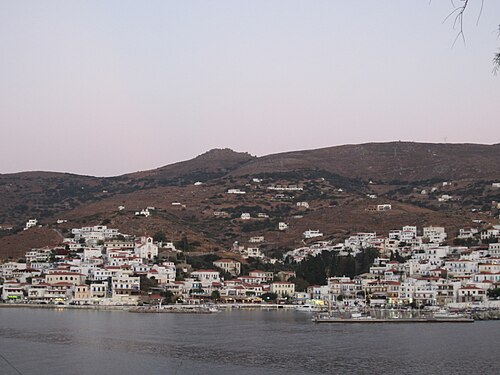
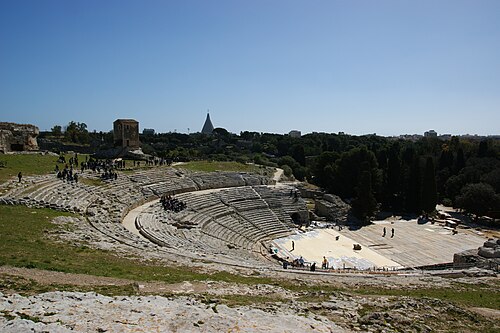
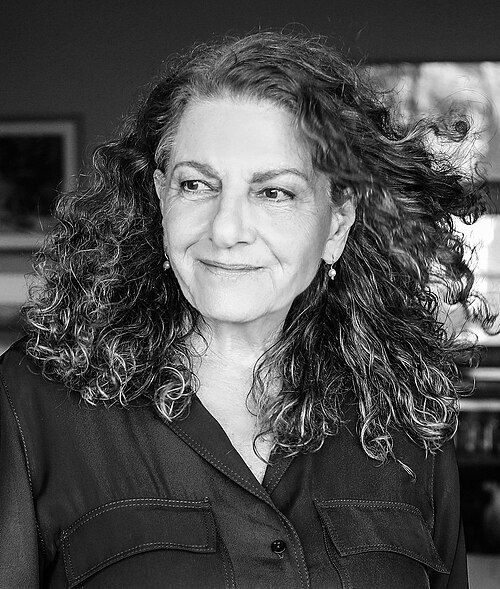
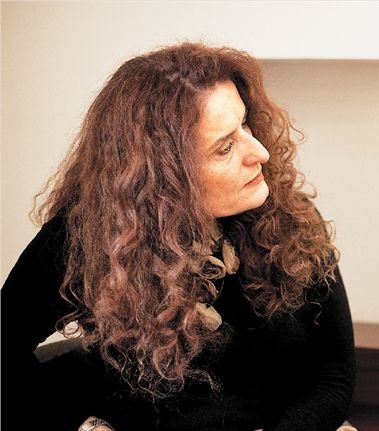
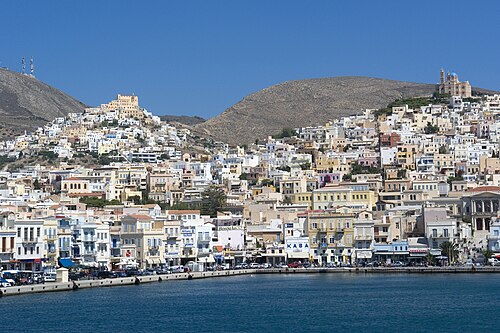
Rita Boumi was born on Syros in 1906. As a child she already placed poems in the long-running children's magazine Η Διάπλασις των Παίδων (The Shaping of Children), around 1919. Around 1920, still a teenager, she settled in Syracuse in Sicily, where she studied pedagogy and trained in the Montessori method; sources differ slightly on her exact age at the move. She returned to Syros in 1929, the year her poem Μικρέ μου αλήτη… (My Little Vagabond…) appeared in the Athens review Νέα Εστία (New Hearth).
Back in Greece she worked as editor-in-chief of the review Ιόνιος Ανθολογία (Ionian Anthology) from 1929, published the magazine Κυκλάδες (Cyclades) from 1930 to 1932 and directed a child-welfare foundation from 1930 to 1933. In 1936 she married the poet Nikos Pappas. The couple lived in his home town, Trikala, until around 1940 and then settled in Athens for the rest of their lives.
She earned her living as a journalist and translator for periodicals and newspapers, among them Νέα Εστία and, from 1957 to 1960, the left-wing daily Η Αυγή (The Dawn). Committed to the Left, she lived through the German Occupation in Athens and turned that experience into poetry. Between 1956 and 1958 she also published a poetry paper of her own, Εφημερίδα των ποιητών (The Poets' Newspaper). She died in Athens in 1984.
Works
Her first collection, Τα τραγούδια στην αγάπη (Songs to Love), appeared in 1930. The second, Οι σφυγμοί της σιγής μου (The Pulse of My Silence), received a distinction from the Academy of Athens in 1935: the National Book Centre's archive calls it a first commendation, while the Princeton finding aid for her papers calls it a first prize. War changed her voice. Αθήνα · Δεκέμβρης 1944 (Athens · December 1944) won the First Prize of the National Resistance in 1945. In 1949, the year of her Italian-language collection Ritorno in Ortigia (Return to Ortigia), she received the International Syracuse Prize.
Her best-known book, Χίλια σκοτωμένα κορίτσια (A Thousand Murdered Girls, 1963), gives the last words of women executed after taking part in the Resistance, turning a list of names into a poetic memorial. Later collections include Φως ιλαρόν (Gladsome Light, 1966), which borrows the name of an ancient Christian evening hymn. In 1975 she published the stories Όταν πεινούσαμε και πολεμούσαμε (When We Were Hungry and Fighting), set in 1941–45. Critics describe her writing as rooted in a love of nature, sensual and lyrical, with political and social questions growing stronger after the war.
Translation ran alongside her own poems. She rendered Sholokhov's And Quiet Flows the Don, Beckett's Murphy and many Bulgarian and Romanian poets into Greek, and with Nikos Pappas compiled anthologies of world poetry.
Legacy in Greece today
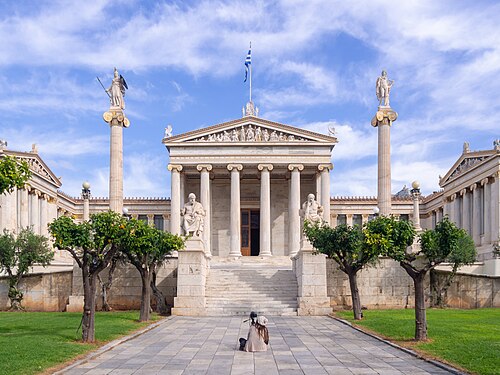
Boumi-Papa belongs to the interwar generation of Greek poets, and her postwar books made her a leading voice of Resistance memory. The critic Markos Avgeris called her the Pasionaria of Greek poetry, after the Spanish Republican orator Dolores Ibárruri. Her papers, together with those of Nikos Pappas, are held at Princeton University Library. In Athens, the Archives of Contemporary Social History (ΑΣΚΙ) keep a one-page copy of her poem Αν βγω περίπατο με τις νεκρές μου φίλες (If I Go Out Walking with My Dead Friends), which later inspired a short German-Greek film poem. Try this: look up that title on SearchCulture.gr. Then sort five of her titles under three Greek labels, ποίημα (poem), συλλογή (collection) or μετάφραση (translation), and number the collections in order: η πρώτη συλλογή, η δεύτερη συλλογή, η τρίτη συλλογή.
Did you know?
- As a child, around 1919, she published poems in the children's magazine Η Διάπλασις των Παίδων.
- She trained as a teacher in the Montessori method in Sicily.
- One of her poetry books, Ritorno in Ortigia, is written in Italian.
- She was also honoured by the Romanian state and the Academy in Bucharest.
Key works
| Greek title | Title | Year |
|---|---|---|
| Τα τραγούδια στην αγάπη | Songs to Love — first collection | 1930 |
| Οι σφυγμοί της σιγής μου | The Pulse of My Silence | 1935 |
| Αθήνα · Δεκέμβρης 1944 | Athens · December 1944 | 1945 |
| Χίλια σκοτωμένα κορίτσια | A Thousand Murdered Girls | 1963 |
| Φως ιλαρόν | Gladsome Light | 1966 |
| Όταν πεινούσαμε και πολεμούσαμε | When We Were Hungry and Fighting — stories | 1975 |
A line to remember
Θα την έλεγα η Πασιονάρια της ελληνικής ποίησης.
Tha tin éléga i Pasionária tis ellinikís poíisis.
I would call her the Pasionaria of Greek poetry.