Life
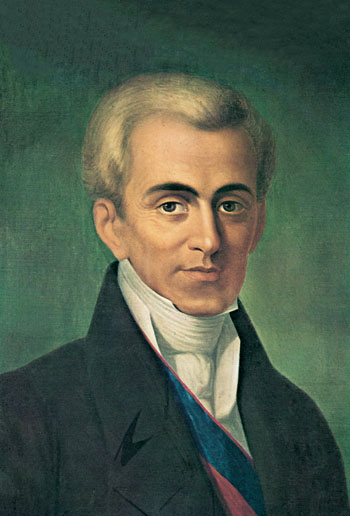
Kapodistrias was born in Corfu on 11 February 1776 into a noble family of the Venetian-ruled Ionian Islands. He studied medicine, philosophy and law at Padua and practised as a doctor in Corfu, but when the islands became the Septinsular Republic under Russian protection in 1800 he was drawn into government, and in 1803 he was its secretary of state. The republic's fall in 1807 sent him into the service of Russia. As Tsar Alexander I's envoy in Switzerland in 1813–14 he worked for the federal constitution and the neutrality that the Congress of Vienna guaranteed in 1815; Geneva and Lausanne made him an honorary citizen.
From 1816 to 1822 he was joint foreign minister of Russia. When the Greek revolution broke out in 1821 and the tsar refused to support it, he took indefinite leave and settled in Geneva, raising money and sympathy for the Greek cause. In April 1827 the National Assembly at Troezen elected him Governor (Κυβερνήτης) of Greece, and in January 1828 he landed at Nafplio to find a country devastated by war, without a treasury or an administration.
He refused a salary and ruled as a man used to absolute monarchies, suspending the constitution and governing through appointed officials, which made enemies of the shipowners of Hydra and the clan chiefs of the Mani. When he imprisoned Petrobey Mavromichalis, the head of the Maniot clan, the family took revenge: on 9 October 1831, as he arrived for the liturgy at the church of Agios Spyridon in Nafplio, Petrobey's brother and son shot and stabbed him at the door. He was buried in Corfu, at the monastery of Platytera.
Works

In three and a half years Kapodistrias built the skeleton of a state. He set up a central administration with appointed provincial governors; he founded the first Greek currency, the φοίνικας (phoenix), minted in Aegina in 1828, and a national bank; he created a regular army and the officers' school that still exists as the Σχολή Ευελπίδων (Hellenic Army Academy), and he reorganised the navy, which under Miaoulis and Kanaris cleared the Aegean of pirates. He negotiated with Britain, France and Russia through the years that led to the London Protocol of February 1830, which recognised an independent Greek state.
His passion was education. He founded the Orphanage of Aegina in 1829 for the thousands of children the war had left without parents, opened dozens of primary schools, a teacher-training school and an agricultural school at Tiryns near Nafplio. He is credited, in a story every Greek child knows, with introducing the potato: when the peasants refused the strange tuber, he is said to have had the sacks placed under armed guard, whereupon they were stolen within days and planted all over the Peloponnese. The story is probably a legend, but it captures how Greeks remember him, a man trying to feed and school a country that did not yet know how to be one.
His letters and dispatches, in French and in careful Greek, show a cautious, orderly mind, distrustful of parliaments and local notables, convinced that a nation emerging from four centuries of Ottoman rule needed order and education before liberty. His opponents called it tyranny; his admirers call it the only realistic programme Greece had.
Legacy in Greece today
Nafplio is the place to meet him. In the church of Agios Spyridon, a few steps from Syntagma Square, the mark of a bullet from the assassination is still pointed out beside the door, and his statue stands in the square named after him. Aegina keeps his Orphanage building and the mint, and Corfu has his statue by the Spianada, his tomb at Platytera and an airport named after him. In Athens the University of Athens is officially the Εθνικό και Καποδιστριακό Πανεπιστήμιο (National and Kapodistrian University), and his statue stands in front of it on Panepistimiou Street; the great local-government reform of 1997 was called the Σχέδιο Καποδίστριας. His face was on the 500-drachma note. In Switzerland, a monument in Lausanne-Ouchy and a street in Geneva record the diplomat who helped make the country neutral. Learners can go on to the site's C2 speaking exercise on interpreting 1821.
Did you know?
- He was a qualified doctor, trained at Padua, before he was a diplomat or a head of state.
- Switzerland owes part of its 1815 neutrality and federal constitution to his diplomacy; Geneva and Lausanne made him an honorary citizen.
- He refused a salary as Governor and spent his own money on the state; the potato story told about him is almost certainly a legend.
- The University of Athens, the airport of Corfu and a 1997 reform of Greek local government all carry his name.
Key works
| Greek title | Title | Year |
|---|---|---|
| Ομοσπονδιακό Σύμφωνο και ουδετερότητα της Ελβετίας | Swiss Federal Pact and neutrality (as Russian envoy) | 1814–1815 |
| Εκλογή Κυβερνήτη της Ελλάδος | Election as Governor of Greece by the Assembly of Troezen | 1827 |
| Ο φοίνικας, το πρώτο ελληνικό νόμισμα | The phoenix, the first Greek currency | 1828 |
| Σχολή Ευελπίδων | Founding of the Army Officers' School | 1828 |
| Ορφανοτροφείο της Αίγινας | Orphanage of Aegina | 1829 |
| Πρωτόκολλο του Λονδίνου (ανεξαρτησία) | London Protocol recognising Greek independence | 1830 |
From the works


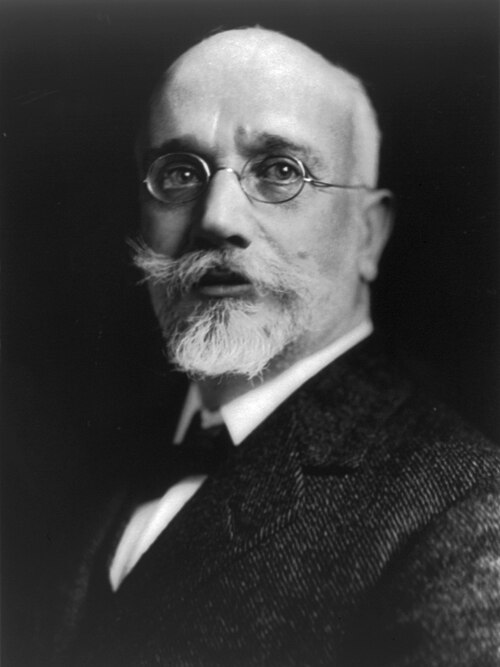
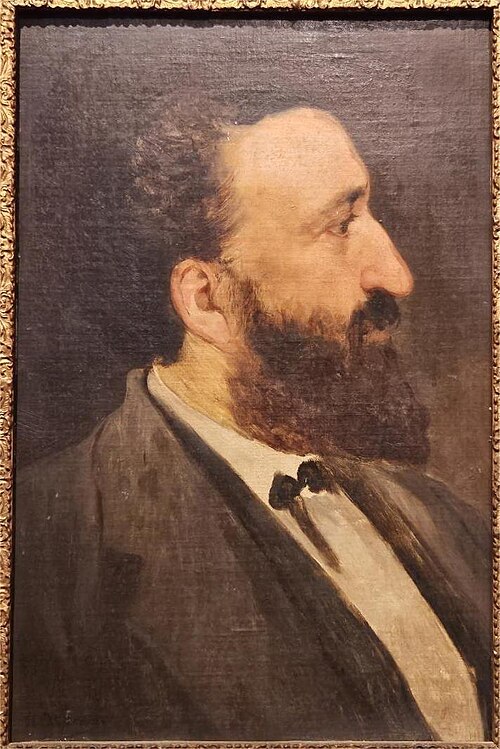
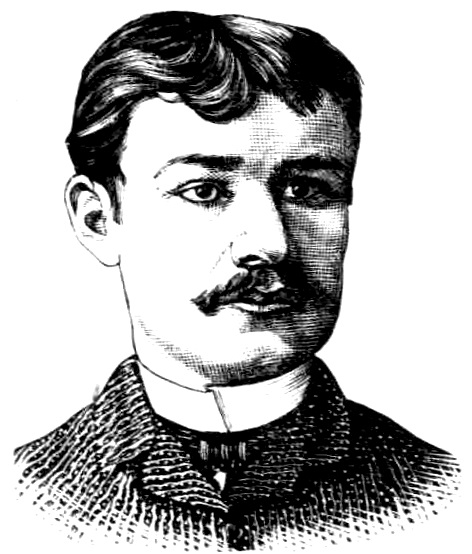
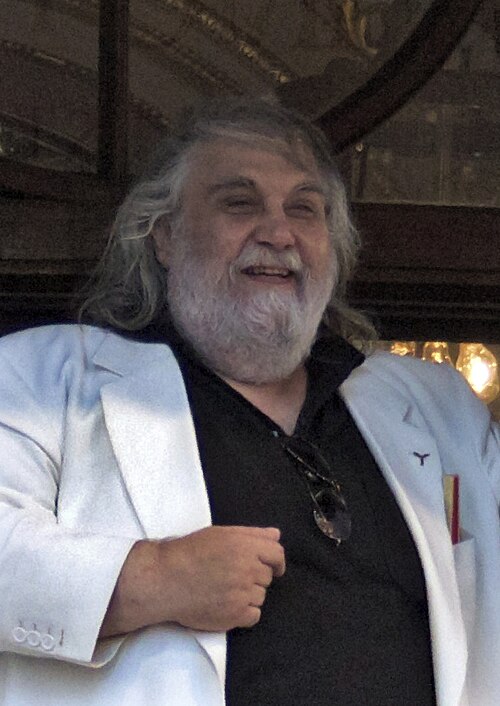
Public-domain pictures from Wikimedia Commons.
A line to remember
Η νίκη θα είναι δική μας αν βασιλεύση εις την καρδιάν μας μόνο το αίσθημα το ελληνικό.
I niki tha einai diki mas an vasilefsi eis tin kardian mas mono to aisthima to elliniko.
Victory will be ours if only the Greek feeling reigns in our hearts.
From the original
The text as Ioannis Kapodistrias wrote it, out of copyright, with our own translation beside it.
«Ἐπιστολὴ πρὸς τὸν κόμητα Πάνιν»Letter to Count Panin
Written as Governor from Nafplio in November 1829: Russia's victory over the Ottomans had freed Chians enslaved after the massacre of 1822, and Kapodistrias arranges ships to bring them home. He wrote in French; this is the official Greek version of his secretariat.
Letter to Count Panin on the return of the Chiot captives, Nafplio, 3/16 November 1829, closing paragraphs · Public-domain text, source: el.wikisource.org