Life
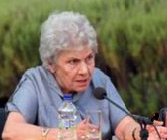
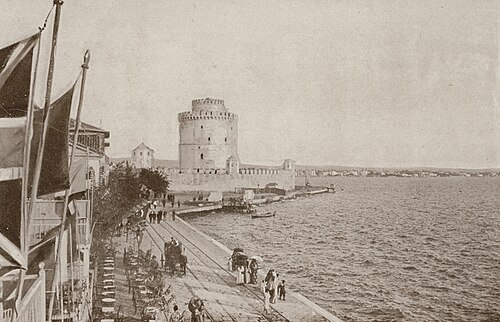
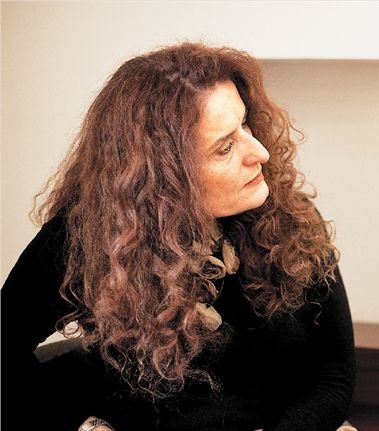
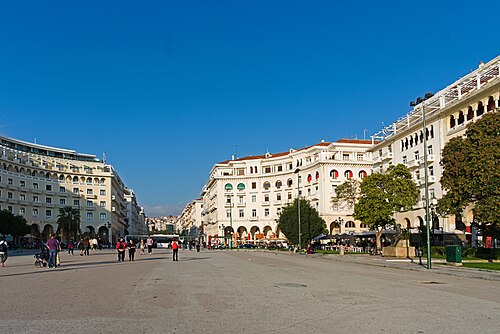
Zoe Laskari was born Zoi Kouroukli in Thessaloniki on 12 December; the year differs between sources, from 1940 to 1944, and she herself gave 1944. She lost her father when she was a baby and her mother while still a child, and she grew up with her grandparents. She later remembered playing in Aristotelous Square with them. As a teenager she played basketball for Thessaloniki clubs. In June 1959, without telling her guardians, she entered a beauty contest in Athens under the name Amaryllis and was crowned Star Hellas. She then went to Long Beach in the United States for the Miss Universe contest and stayed in America for a time, working as a model.
Back in Greece, the director Giannis Dalianidis chose her for the lead in Ο Κατήφορος (The Downward Path), released by Finos Film in December 1961. It was the year's biggest Greek box-office success. Dalianidis and the producer Filopoimin Finos gave her the name Laskari, partly so that she would not be confused with her cousin, the singer Zoi Kouroukli. She also studied acting at the drama school of Pelos Katselis. She stayed with Finos Film until the mid-1970s and then gave most of her career to the theatre. She also served as a municipal councillor in Athens. She died suddenly at her home in Porto Rafti, east of Athens, on 18 August 2017.
Works
Laskari made 23 films with Finos Film, 21 of them directed by Dalianidis; the company says no other leading actress worked only for a single studio. Her range ran from social dramas to bright musicals. Νόμος 4000 (Law 4000, 1962) took its title from a law against so-called teddy boys that was causing debate at the time, and portrayed the restless youth of the early 1960s. In the musical Κορίτσια για φίλημα (Girls for Kissing, 1965), filmed in Athens, Rhodes and Hydra, she played the niece of a New York travel-office director on holiday in Greece; it was the first Greek film with stereo sound. Η Στεφανία (Stefania), released in January 1967 and based on a novel by Nelly Theodorou, cast her as a young woman sent to a reformatory, a daring subject for its time. Weeks later came Οι θαλασσιές οι χάντρες (The Sea-Blue Beads), a musical about a bouzouki player in Plaka and a rich young woman with a modern band; it was shown in Cannes as Les Perles grecques.
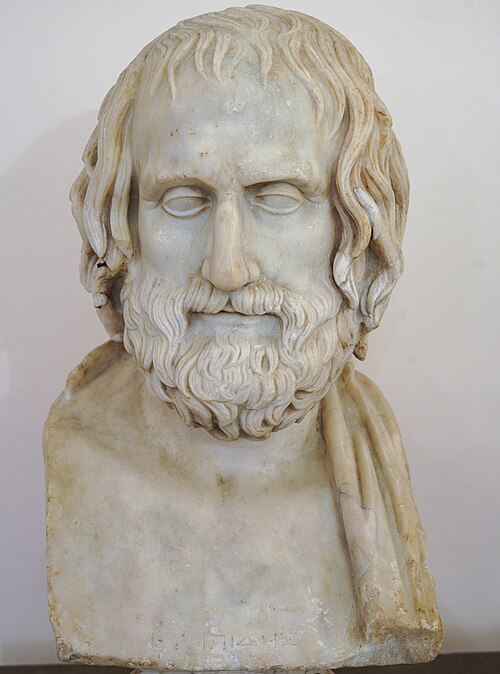
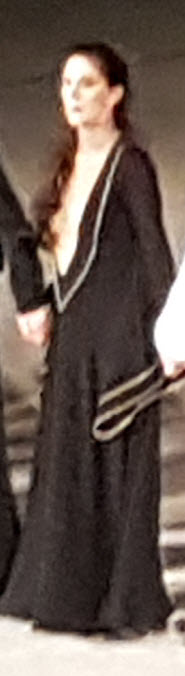
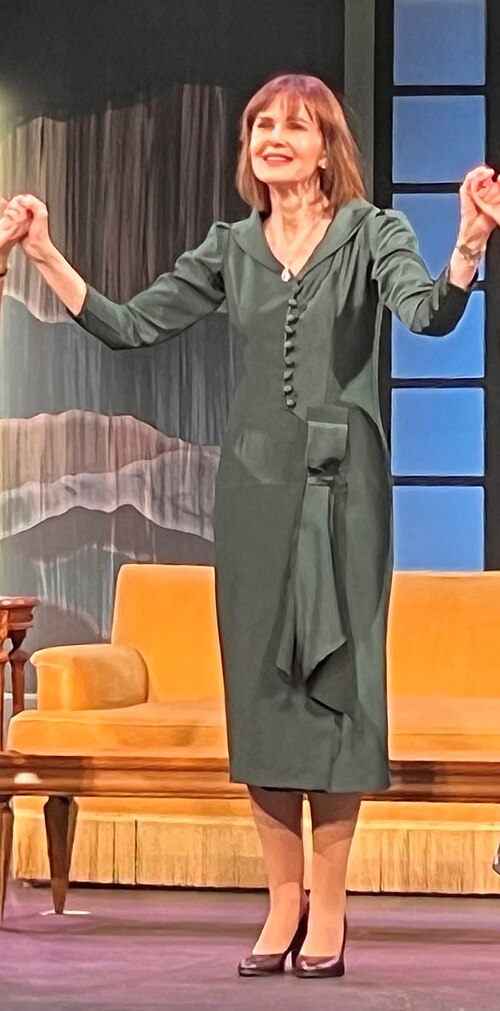
She first acted on stage in Cyprus in the mid-1960s and in Athens around 1970. From 1977, with Barefoot in the Park, her stage career took a new direction: she worked with directors such as Minos Volanakis and Andreas Voutsinas in plays by Edward Albee and Tennessee Williams. She played Helen in Euripides' Trojan Women at Epidaurus under Michael Cacoyannis. Her last stage role, in 2016–17, was in Νύφη Κουράγιο (Bride Courage) by Nikos Moutsinas.
Legacy in Greece today
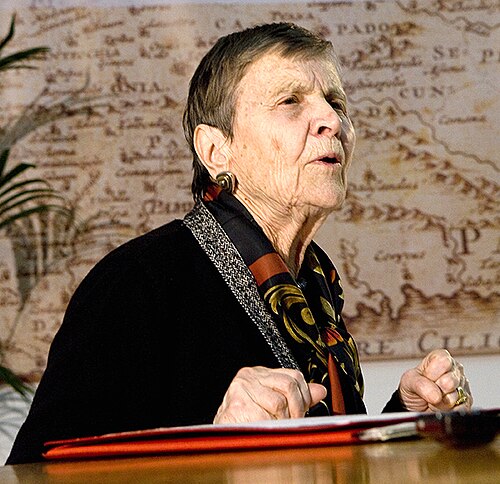
Laskari's Finos films are still widely watched: Finos Film has digitally restored titles such as Νόμος 4000. In 2013 the Hellenic Film Academy gave her an honorary award for her contribution to cinema, and she dedicated it to Finos and to young filmmakers. She liked to say that outside smart Kolonaki nobody called her Mrs Laskari, only Ζωίτσα (little Zoe), with the friendly Greek ending -ίτσα. For practice, choose a short scene from one of her Greek-language films, such as Οι θαλασσιές οι χάντρες, and note how the characters ask for things and take turns. Then write your own four-line dialogue in a taverna with Θα ήθελα… (I would like…) and Μπορείτε να…; (Could you…?), without copying the film's lines.
Did you know?
- She entered the 1959 beauty contest under the name Amaryllis.
- Before cinema, she played basketball for Thessaloniki clubs, including Aris.
- Κορίτσια για φίλημα (Girls for Kissing) was the first Greek film made with stereo sound.
- After more than thirty years away from cinema, she returned for a small role in Dimitris Tzetzas's The Republic.
Key works
| Greek title | Title | Year |
|---|---|---|
| Ο Κατήφορος | The Downward Path — film debut | 1961 |
| Νόμος 4000 | Law 4000 — social drama | 1962 |
| Κορίτσια για φίλημα | Girls for Kissing — musical comedy | 1965 |
| Η Στεφανία | Stefania — drama | 1967 |
| Οι θαλασσιές οι χάντρες | The Sea-Blue Beads — musical | 1967 |
| Οι εραστές του ονείρου | Lovers of the Dream — her last Finos film | 1974 |
A line to remember
Γεννιέσαι με αυτό, δεν γίνεσαι.
Genniése me aftó, den jínese.
You are born with it; you don't become it.