Life
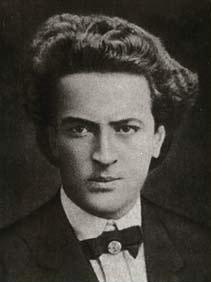
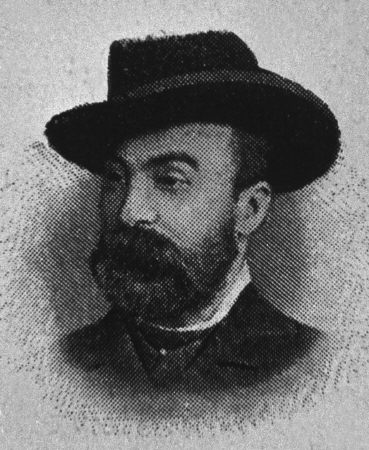
Trikoupis was born in Nafplio, then the capital of Greece, on 11 July 1832. His father, Spyridon Trikoupis, was a politician, diplomat and the first great historian of the Greek Revolution; his mother came from the Mavrokordatos family. He studied law in Paris and then joined the Greek legation in London, where his father was ambassador. He spent many years in England, admired its parliamentary system and in 1864 took part in the negotiations by which Britain handed the Ionian Islands over to Greece.
Back in Athens he entered parliament in the 1860s. His moment came on 29 June 1874, when the newspaper Οι Καιροί (Kairoi) published his article «Τις πταίει;» (Who Is to Blame?). It blamed King George I himself for the political chaos of the country, because he kept appointing governments that had no majority. Trikoupis was briefly arrested, but in 1875 the king accepted the principle of the «δεδηλωμένη», the declared confidence of parliament, and appointed him prime minister.
He led the government seven times, with his longest terms in 1882–1885 and 1886–1890, and fought a long duel with his rival Theodoros Deligiannis. After the state bankruptcy of 1893 and a heavy defeat in the elections of 1895, in which he lost even his own seat, he left Greece. He died in Cannes, in the south of France, in 1896. He never married; his sister Sofia was his companion and support all his life.
Works

Trikoupis wanted Greece to become a modern European state, and he believed that this required two things: honest parliamentary government and infrastructure. The first he achieved with «Τις πταίει;» and the δεδηλωμένη, which remains a principle of the Greek constitution today: a government must have the confidence of the majority of parliament.
The second was his great programme of public works. When he came to power, Greece had almost no railways and few proper roads. Under his governments a network of railway lines was built across Attica, the Peloponnese and Thessaly, many new roads were opened, harbours were improved, and in 1882 work began on the Corinth Canal, which was finally opened in 1893. He reorganised the civil service and the army and ordered modern warships for the navy.
All this was paid for with heavy taxes and large foreign loans. His opponents, led by Deligiannis, accused him of crushing the people with taxes, and when the international economic crisis hit Greek exports, above all currants, the state could no longer pay its debts. In December 1893 Greece declared bankruptcy, and Trikoupis is said to have announced it in parliament with the words «Δυστυχώς επτωχεύσαμεν» (Unfortunately, we have gone bankrupt). Historians doubt that he used these exact words, but the phrase has stayed in the language, and it returned to every front page during the debt crisis of 2010.
Legacy in Greece today
Trikoupis is remembered as the model of the serious, reforming statesman, and Greek politicians of every party still invoke him. His name is on the Γέφυρα Χαρίλαος Τρικούπης, the Rio–Antirrio bridge across the Gulf of Corinth, opened in 2004, which connects the Peloponnese with western Central Greece near Missolonghi, his family's town. Streets named Χαριλάου Τρικούπη run through Athens and almost every Greek city, and a statue of him stands by the Old Parliament building in Athens. In school history books «Τις πταίει;» and the δεδηλωμένη are standard topics, and «Δυστυχώς επτωχεύσαμεν» is a phrase every Greek knows, used with bitter humour whenever money runs out.
Did you know?
- His father, Spyridon Trikoupis, was also prime minister and wrote the first great history of the Greek Revolution.
- The article that made him famous, «Τις πταίει;», was published in 1874 and got him briefly arrested.
- The Corinth Canal was begun under his government in 1882 and opened in 1893, the same year as the bankruptcy.
- In the elections of 1895 he lost not only power but his own seat in parliament.
Key works
| Greek title | Title | Year |
|---|---|---|
| «Τις πταίει;» (άρθρο στην εφημερίδα «Καιροί») | Who Is to Blame? (newspaper article) | 1874 |
| Η αρχή της δεδηλωμένης | The principle of declared parliamentary confidence | 1875 |
| Έναρξη των έργων της Διώρυγας της Κορίνθου | Start of work on the Corinth Canal | 1882 |
| Το σιδηροδρομικό δίκτυο | The Greek railway network | 1880s |
| Η πτώχευση του 1893 | The state bankruptcy | 1893 |
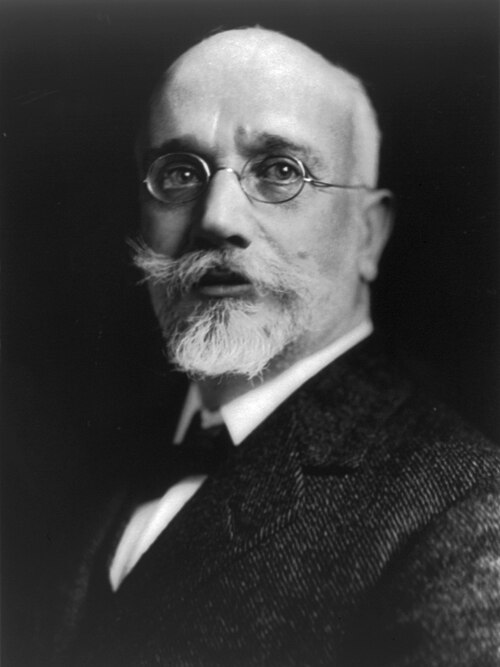
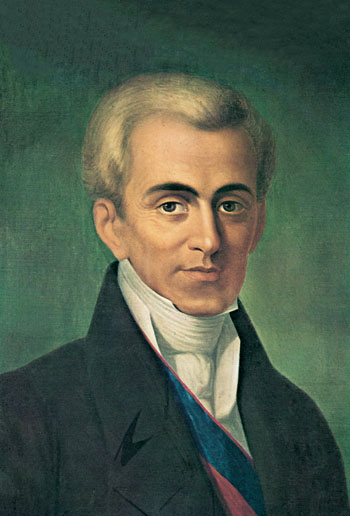
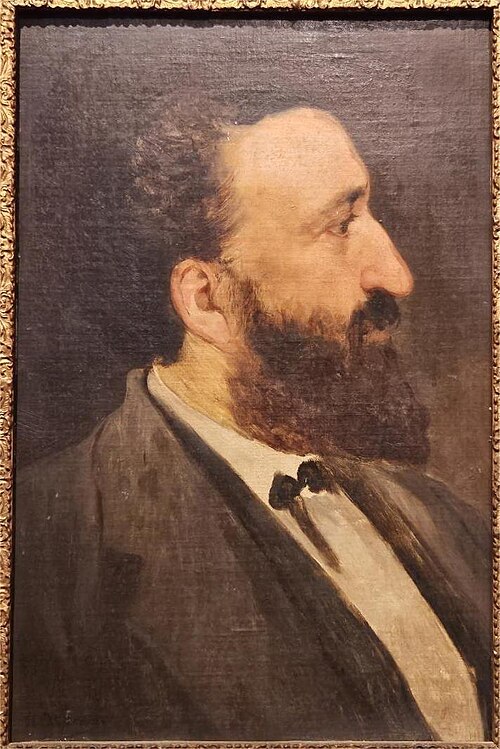
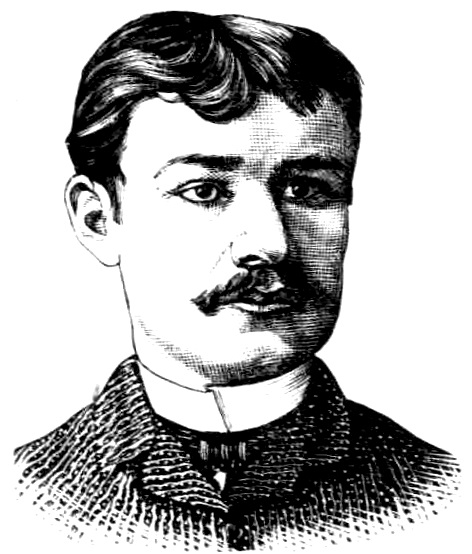
From the works


Public-domain pictures from Wikimedia Commons.
A line to remember
Δυστυχώς επτωχεύσαμεν.
Dystychos eptocheusamen.
Unfortunately, we have gone bankrupt.