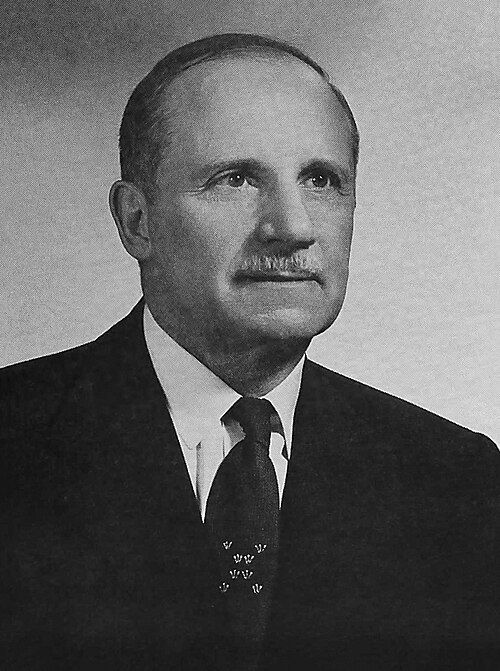
Life
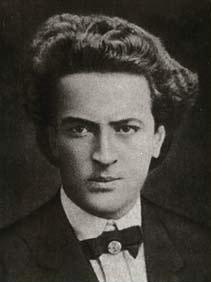
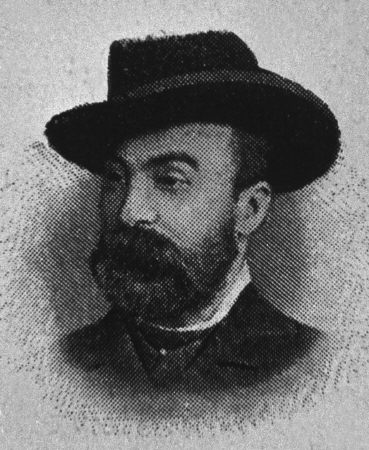
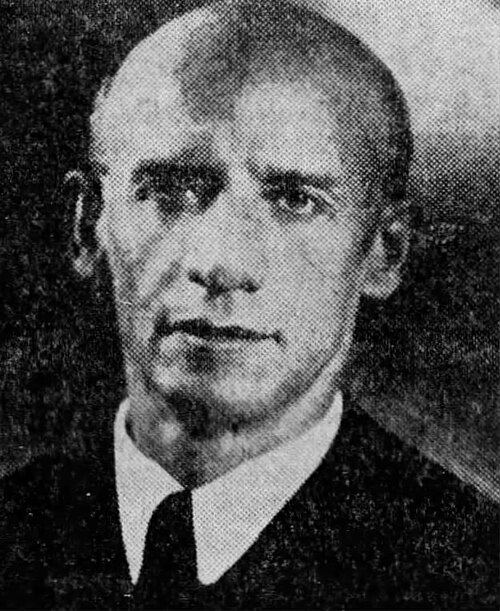
Theotokas was born in Constantinople on 27 August 1905 into a well-off Greek family; both his parents came from Chios, and his father had studied law. He spent his childhood in the great cosmopolitan city, the world he would describe in Λεωνής, and in 1922, the year of the Asia Minor Catastrophe, the family settled in Athens. He studied law at the University of Athens and then continued his studies in Paris and London at the end of the 1920s, years that opened him to European literature and ideas.
Back in Athens, he published Ελεύθερο πνεύμα in 1929 under the pen name Orestis Digenis, and it made him the spokesman of a new literary generation, the one of Seferis, Elytis, Venezis and Kosmas Politis. He worked as a lawyer, but writing was his life: novels, short stories, plays, essays, travel books and articles on politics. He was a convinced democrat and liberal, opposed to dictatorship from both right and left, and after the Civil War he argued for reconciliation among Greeks. He was twice director-general of the National Theatre, in 1945–46, right after the Occupation, and again in 1952–53. He travelled widely, wrote about Cyprus and the United States, and kept a diary for many years. He died in Athens on 30 October 1966, a few months before the military coup of April 1967 that he had feared.
Works

Ελεύθερο πνεύμα (Free Spirit, 1929) is a short, combative essay. Greek prose, Theotokas argued, was trapped in the village and the folk tale, in nostalgia and in the old quarrel about the language. Greece needed writers who looked at the modern city, at Europe, at ideas and at the individual, while staying Greek. The essay was read as a declaration of independence, and the generation that followed adopted it as its programme.
His novel Αργώ (Argo, two volumes, 1933 and 1936) is his attempt at the great modern Greek novel: a broad picture of Athens in the 1920s, with a group of students full of political dreams, communists, nationalists and idealists, sailing like the Argonauts towards a future they cannot see. Λεωνής (Leonis, 1940) is shorter and gentler: the story of a boy growing up in Constantinople during the First World War, until the end of that Greek world; its pages appear in Greek school books. Ιερά οδός (Sacred Way, 1950), which he later completed as the large novel Ασθενείς και οδοιπόροι (Invalids and Wayfarers, 1964), follows Greek society through the Occupation and the Civil War. He also wrote plays drawn from Greek tradition and history, among them Το γεφύρι της Άρτας (The Bridge of Arta, 1942). His diaries, published after his death as Τετράδια ημερολογίου (Diary Notebooks), are one of the best records of Greek intellectual life of his time.
Legacy in Greece today
Greek pupils meet Theotokas through Λεωνής, whose scenes of childhood in Constantinople are in school readers, and through Ελεύθερο πνεύμα, the text every history of modern Greek literature cites when it talks about the Generation of the Thirties. Αργώ remains the novel people recommend when they want to understand the political passions of interwar Athens. His essays on democracy and on the Greek language are still quoted in public debates. For a learner, Λεωνής is a good place to start: a short, clear book about a boy's world in Constantinople, the City that Greeks still simply call η Πόλη, written in modern, readable Greek.
Did you know?
- He published his manifesto Free Spirit in 1929, still in his twenties, under the pen name Orestis Digenis.
- His novel Argo takes its title from the ship of Jason and the Argonauts.
- He was director-general of the National Theatre in 1945–46, right after the liberation of Greece.
- He died in October 1966, a few months before the dictatorship of the colonels that he had warned against.
Key works
| Greek title | Title | Year |
|---|---|---|
| Ελεύθερο πνεύμα | Free Spirit (essay-manifesto) | 1929 |
| Αργώ | Argo (novel) | 1933–1936 |
| Λεωνής | Leonis (novel) | 1940 |
| Το γεφύρι της Άρτας | The Bridge of Arta (play) | 1942 |
| Ασθενείς και οδοιπόροι | Invalids and Wayfarers (novel; first part as Ιερά οδός, 1950) | 1950–1964 |
From the works


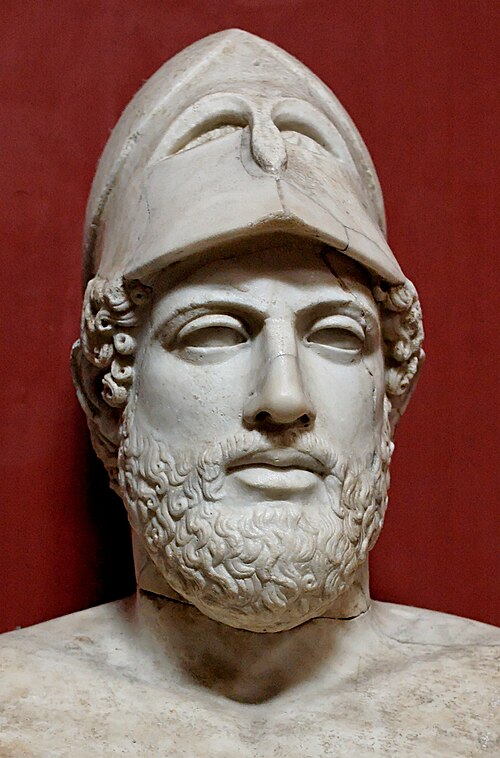
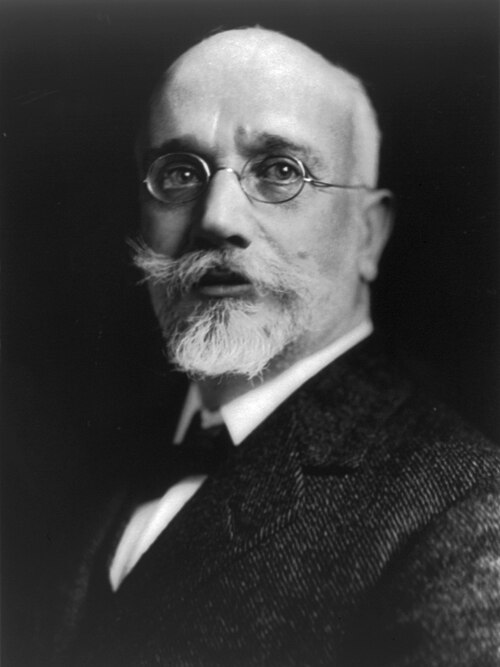
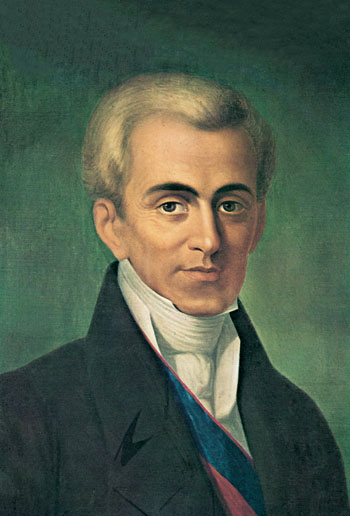
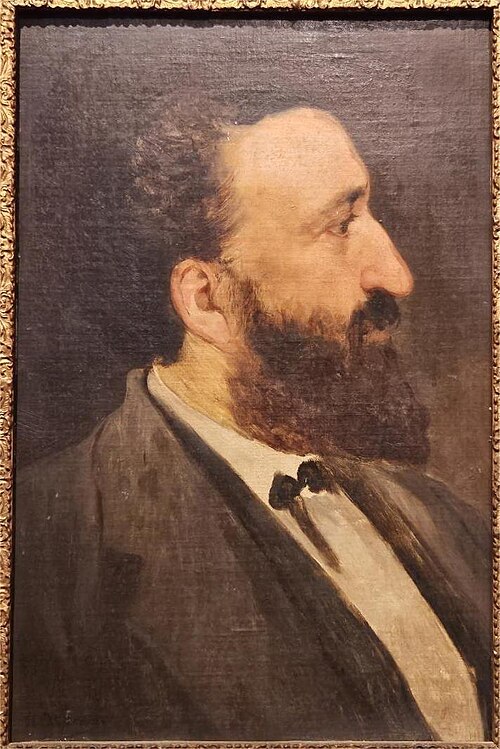
Public-domain pictures from Wikimedia Commons.
A line to remember
Ελεύθερο πνεύμα
Eleftero pnevma
Free spirit