Life
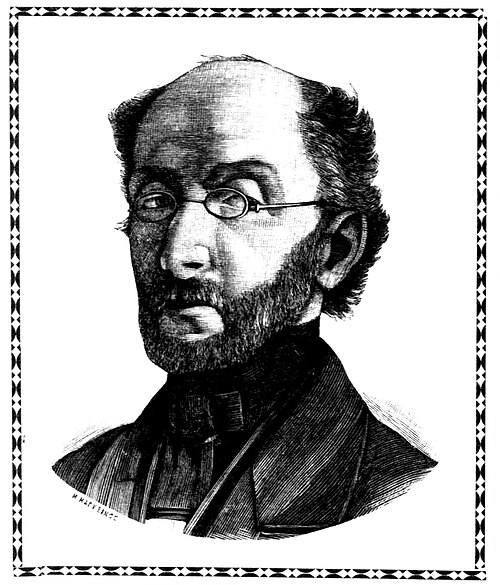
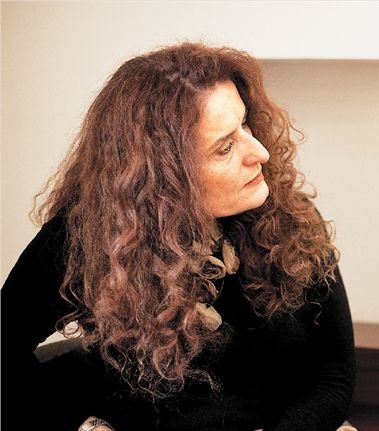
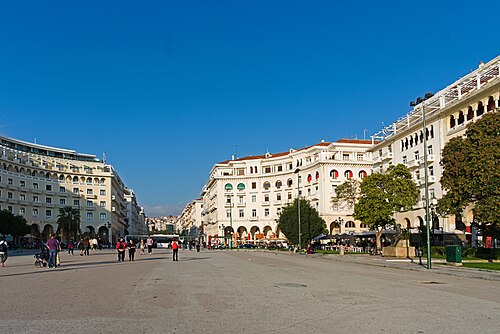
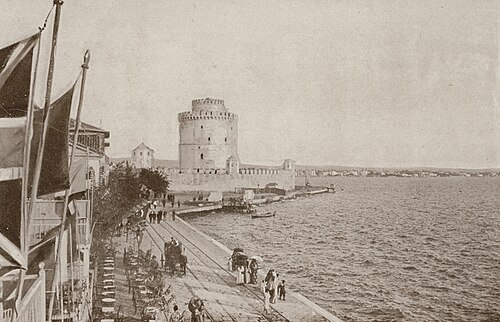
Maria Loukia Hatzilazarou, known as Matsi, was born in Thessaloniki in January 1914; her father, Kleon Hatzilazaros, was a businessman. During the First World War the family lived in France and Italy, and from 1919 they settled in Athens. In 1934, after the family had lost its fortune, both her parents died within a few months. She married three times; her third husband, from 1939 to 1943, was the surrealist poet Andreas Embirikos.
In June 1944, during the German occupation, the publisher Ikaros brought out her first collection under the name Matsi Andreou. In December 1945 she sailed for Paris on the ship Mataroa with a scholarship from the French Institute. From 1946 to 1954 she lived there with the Catalan painter Javier Vilató, Picasso's nephew; she met Picasso himself and began to write in French.
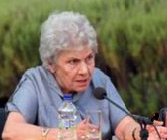
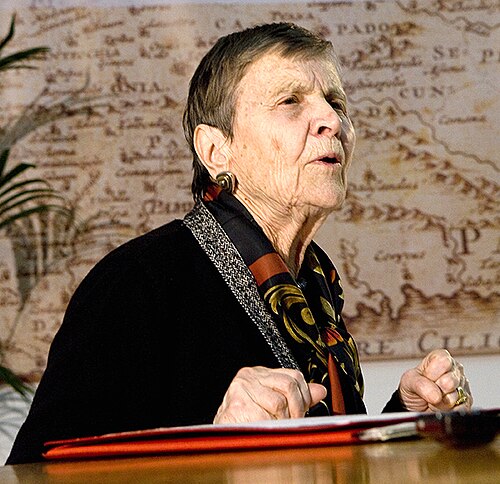
She came back to Athens in 1958 and worked for the Greek National Tourism Organisation until 1964, then returned to Paris. From 1973 she lived in Athens again, working in public relations at the Commercial Bank of Greece. In 1984 she talked about her life and read her poems in Frida Liappa's film for the ERT series Γυναικεία πορτραίτα (Women's Portraits). She died in Athens on 16 June 1987.
Works
Μάης, Ιούνης και Νοέμβρης (May, June and November, 1944) opened a new Ikaros series of modern Greek poetry, which soon also included Nikos Engonopoulos's Μπολιβάρ (Bolivar). It came out while newspaper critics were mocking surrealism, and the critic Michail Rodas attacked her poems too. She later said that she wrote these poems almost without stopping, then cut and changed them again and again, until only something tiny was left, "like an olive stone".
Her languages should be kept apart. In Paris she published two books in French with the small press of Guy Lévis Mano: Cinq fois (Five Times, 1949) and La Frange des mots (The Fringe of Words, 1954). She also translated Greek folk songs into French as Chants populaires des Grecs (1951). In Greek she wrote Κρυφοχώρι (Hidden Village, 1951), and her Greek poems were gathered in Έρως μελαχρινός (Dark-haired Eros, 1979). 7 × 3 (1984) holds texts in Greek, French and English, and Το δίχως άλλο (Without Fail, 1985) was her last collection.
Her poems are short, sensual and full of surprising images of the body, nature and everyday things. She called her own writing post-surrealist (μεταϋπερρεαλιστικό).
Legacy in Greece today
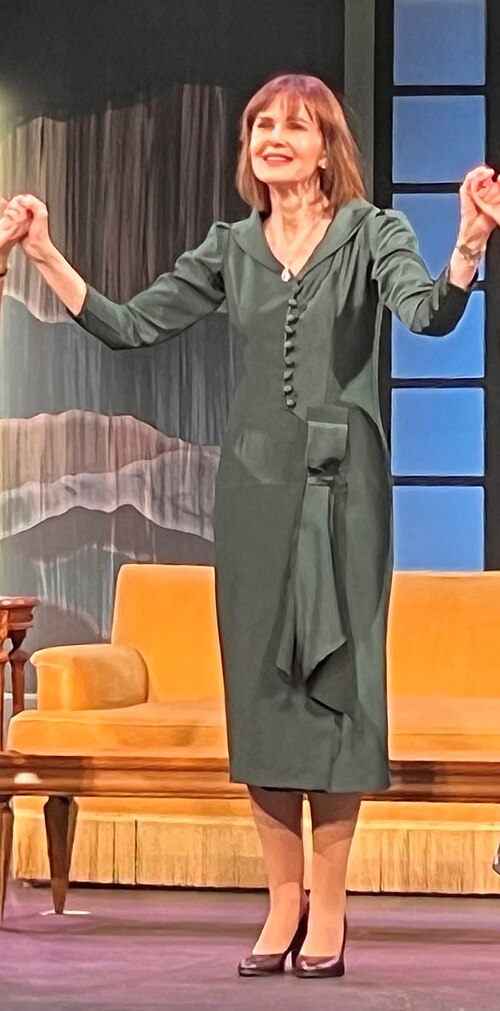
For a long time Hatzilazarou had few readers, but interest has grown since her death. Ikaros keeps Ποιήματα 1944–1985 in print; Christos Daniil published an illustrated biography of her in 2012, and her letters from Paris to Embirikos (1946–1947) appeared in 2013. In 2022 the literary journal Χάρτης (Chartis) gave her a large tribute, which also discussed a stage production based on her poems. According to the journalist Stathis Tsangarousianos, Manos Hadjidakis called her work "a woman's poetry, all passion".
Try this: read the Greek title Μάης, Ιούνης και Νοέμβρης aloud, write the formal forms Μάιος, Ιούνιος and Νοέμβριος next to it, and then say a date of your own, for example «Γεννήθηκα στις 3 Μαΐου» (I was born on 3 May).
Did you know?
- She said she was trilingual: because of her parents' moves she learned English first, then Italian, and Greek only after returning to Greece.
- Her metaphysical and philosophical thoughts, she said, came to her in French, and she often searched in vain for the Greek word.
- She preferred the informal εσύ (you) to the polite εσείς, calling it "a step towards friendship".
- The cover of her first book carried a four-colour woodcut by the painters Diamantopoulou and Manousakis.
Key works
| Greek title | Title | Year |
|---|---|---|
| Μάης, Ιούνης και Νοέμβρης | May, June and November | 1944 |
| Cinq fois | Five Times (in French) | 1949 |
| Κρυφοχώρι | Hidden Village | 1951 |
| La Frange des mots | The Fringe of Words (in French) | 1954 |
| Έρως μελαχρινός | Dark-haired Eros | 1979 |
| Το δίχως άλλο | Without Fail | 1985 |
A line to remember
Ψάχνεις τις σωστές λέξεις. Κι αυτό είναι ποίηση.
Psáchnis tis sostés léxis. Ki aftó íne poíisi.
You look for the right words. And that is poetry.