Life
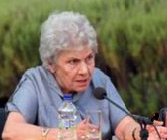
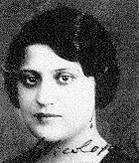
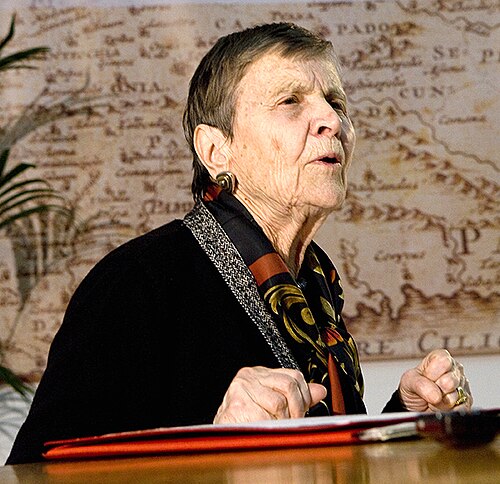
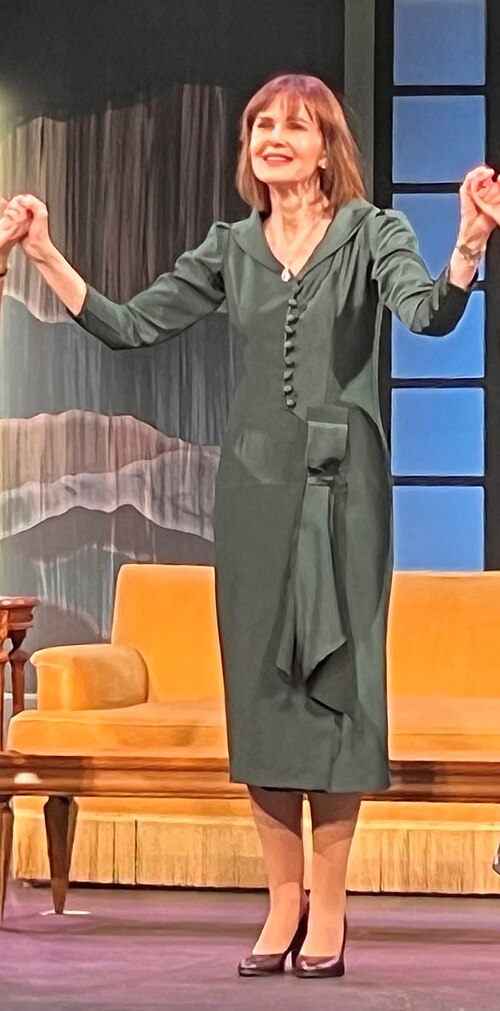
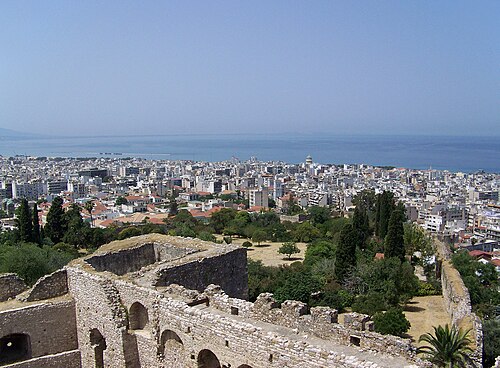
Galateia Saranti, also spelled Galatia Saranti, was born in Patras in 1920; the history archive of the Arsakeio schools and the Greek biographical site Σαν Σήμερα (On This Day) give 8 November as the date. She went to the Arsakeio, a well-known Greek girls' school, and before the Second World War her family moved to Athens. There she studied at the Law School of the University of Athens, but she turned to literature early and never worked as a lawyer.
Her first short story, Το κάστρο (The Castle), appeared in the magazine Νέα Εστία in 1945. Her novella Το βιβλίο του Γιοχάνες και της Μαρίας (The Book of Johannes and Maria) was warmly received by the novelist Grigorios Xenopoulos. Over the following decades she published regularly in literary magazines and prepared literary programmes for Greek state radio. She also translated fiction into Greek, including a novel by the Hungarian writer Magda Szabó.
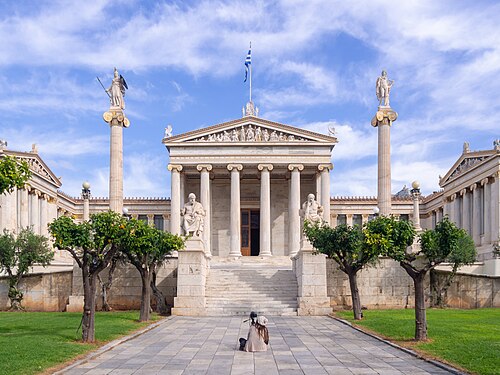
On 20 March 1997, according to Σαν Σήμερα, she was elected a full member of the Academy of Athens, in the chair of Modern Greek literature in the Class of Letters and Fine Arts. Greek newspapers and the Arsakeio archive describe her as the first woman to become a full member of the Academy. In 2005 she received a high rank of the Order of the Phoenix. She died in Athens on 28 December 2009, at the age of 89.
Works

Saranti wrote mainly prose: novels, novellas and short stories, together with children's fiction and a few radio plays. Her early novel Πασχαλιές (Lilacs, 1949) was followed by Επιστροφή (Return, 1953), which won the Prize of the Group of Twelve, and Το παλιό μας σπίτι (Our Old House, around 1959), which received a second State Prize for the novel. Later novels include Τα όρια (The Limits, 1966) and Ρωγμές (Cracks, 1979), which won the Ouranis Foundation Prize of the Academy of Athens in 1979. Her story collection Να θυμάσαι τη Βίλνα (Remember Vilna, early 1970s) won the first State Prize for the short story; according to the Lithuanian national encyclopedia, its title story is about Vilnius and Lithuanian history. Sources give different years for the two State Prizes, so they are not dated here.
Critics describe her prose as quiet rather than dramatic. In its 2009 obituary the newspaper Το Βήμα praised the sensitivity of her writing, its low tones and its atmosphere, and linked her to the city prose of the Generation of the '30s. The Arsakeio archive notes a solid structure, little outward action and close attention to the psychology of her characters, set against their social surroundings. Her later books include Τα νερά του Ευρίπου (The Waters of the Euripus) and Το ποτάμι (The River, 1992). Her work was translated into several languages, among them English, German, Russian, Polish and Spanish.
Legacy in Greece today
Saranti's election in 1997 is still recalled in the Greek press as a turning point for women in the Academy of Athens. Her books were published by the Athens house Βιβλιοπωλείον της Εστίας (Estia Bookshop), which brought out new editions of several titles in the late 1990s and early 2000s. The Arsakeio schools keep her memory in their history archive, and the state broadcaster ERT devoted an episode of the television series Μονόγραμμα (Monogram) to her. For a Greek task, take her line about writing in “A line to remember” and retell it in reported speech, starting with Η Σαράντη είπε ότι… (Saranti said that…). Then look at the title Να θυμάσαι τη Βίλνα: να with θυμάσαι gives a gentle, lasting instruction, different from the direct command θυμήσου (remember!). Write two sentences of your own that begin with Να θυμάσαι… (Remember…).
Did you know?
- She won an Academy of Athens prize, for Ρωγμές (Cracks), in 1979, eighteen years before she became a member of the Academy.
- She studied law at the University of Athens but chose literature over a legal career.
- She translated the Hungarian novel Το ελαφάκι (The Fawn) by Magda Szabó, published in Greek in 1990.
- Her early novella about Johannes and Maria was praised by Grigorios Xenopoulos, one of the best-known Greek novelists of his time.
Key works
| Greek title | Title | Year |
|---|---|---|
| Πασχαλιές | Lilacs | 1949 |
| Επιστροφή | Return | 1953 |
| Το παλιό μας σπίτι | Our Old House | c. 1959 |
| Να θυμάσαι τη Βίλνα | Remember Vilna | c. 1972 |
| Ρωγμές | Cracks | 1979 |
| Το ποτάμι | The River | 1992 |
A line to remember
Το να γράφεις μία σελίδα ή 10 σελίδες δεν είναι τίποτα εάν δεν υπάρχει η συνέχεια.
To na gráfis mía selída í déka selídes den íne típota eán den ypárchi i synécheia.
Writing one page or ten pages is nothing if there is no continuation.