Life
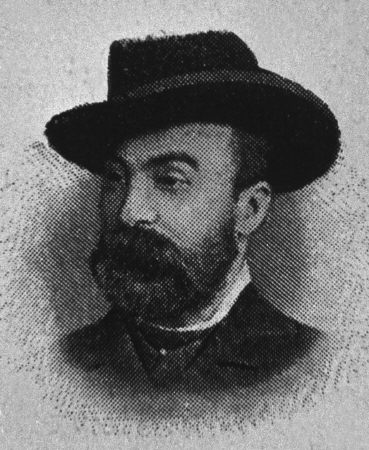
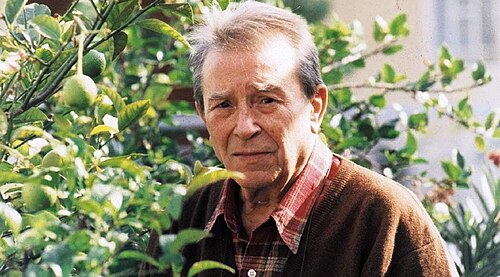
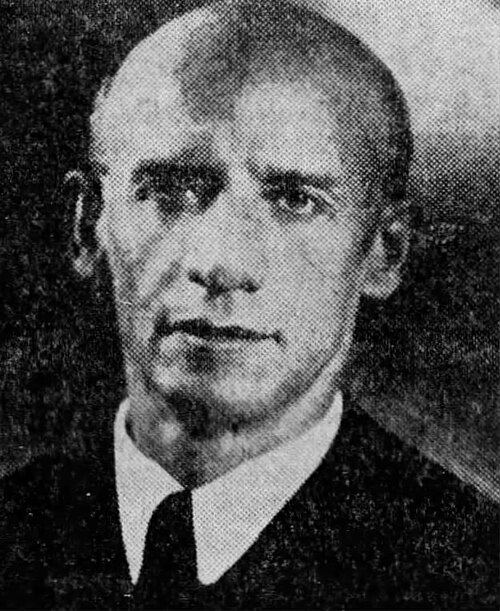
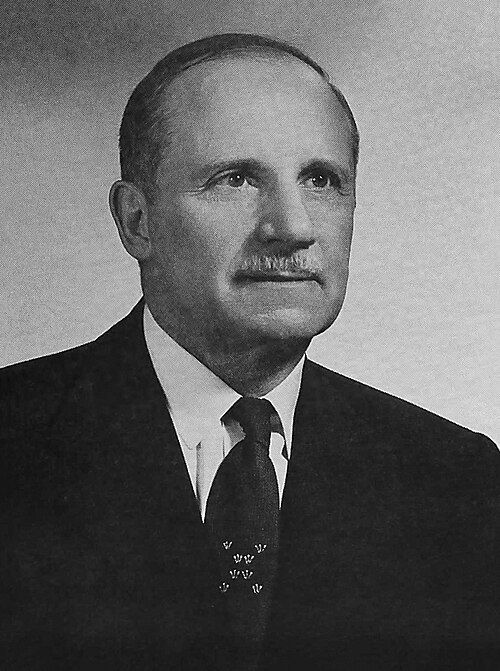
Mylonas was born in Smyrna (today İzmir) on 21 December 1898, into the large Greek community of the city. He studied at the International College of Smyrna and from 1919 at the University of Athens. In September 1922, when the Turkish army entered Smyrna and the Greek quarters burned, he was there: he was captured, imprisoned and mistreated, and was freed in 1923 only thanks to money lent by American friends. He then completed a doctorate in Athens in 1927 and a second one at Johns Hopkins University in the United States in 1928.
In 1933 he joined Washington University in St. Louis, where he became full professor in 1938 and chaired the department from 1939 to 1964; he taught there until 1969 and spent his summers digging in Greece. He worked at Olynthus with David Robinson, excavated the prehistoric settlement of Agios Kosmas in Attica and, with John Travlos, the sanctuary of Eleusis. Honours followed: two Guggenheim fellowships and, in 1970, the Gold Medal of the Archaeological Institute of America. In 1970 he was elected a member of the Academy of Athens, and he served as its president in 1980. He was secretary general of the Archaeological Society at Athens from 1979 to 1986. He died in Athens on 15 April 1988 and was buried at Mykines, the village below Mycenae.
Works

In December 1951, during restoration work near the so-called Tomb of Clytemnestra outside the walls of Mycenae, the Greek archaeologist John Papadimitriou came upon a second royal cemetery, older than the famous Grave Circle A that Heinrich Schliemann had found in 1876. Mylonas joined him, and from 1952 to 1954 they excavated Ο Ταφικός Κύκλος Β (Grave Circle B), a group of shaft graves from around the seventeenth and sixteenth centuries BC. The finds included weapons, gold jewellery, an electrum death mask and a splendid bowl of rock crystal in the shape of a duck. They showed how the first Mycenaean princes rose to power.
From 1957 to 1985 Mylonas directed the excavations on the citadel of Mycenae itself, studying the palace, the houses, the cult centre and the fortifications. He was also a gifted writer for the general public. Ancient Mycenae: The Capital City of Agamemnon (1957) and Mycenae and the Mycenaean Age (1966) brought Homer's «Mycenae rich in gold» to readers around the world, and Eleusis and the Eleusinian Mysteries (1961) remains the classic introduction to the secret cult of Demeter and Persephone. His last popular book, Πολύχρυσοι Μυκήναι (Mycenae Rich in Gold, 1983), borrowed its title from Homer's epithet for the city.
Legacy in Greece today
The best tribute is a visit to Mycenae. Walk through the Lion Gate, see Grave Circle A inside the walls, and then find Grave Circle B outside them, near the Tomb of Clytemnestra; the finds from both are in the National Archaeological Museum in Athens and in the site museum at Mycenae. At Eleusis, west of Athens, the sanctuary he excavated is open to visitors. His books are still read by students of archaeology in Greece and abroad, and his grave at Mykines keeps him close to the citadel where he worked for three decades.
Did you know?
- He survived the destruction of Smyrna in 1922 and was released from captivity in 1923 thanks to money lent by American friends.
- He held two doctorates, from Athens (1927) and Johns Hopkins (1928).
- He directed excavations at Mycenae for almost thirty years, from 1957 to 1985.
- He was elected to the Academy of Athens in 1970 and was its president in 1980.
Key works
| Greek title | Title | Year |
|---|---|---|
| Ανασκαφή στον Άγιο Κοσμά Αττικής | Excavation of Agios Kosmas, Attica | 1930 |
| Ο Ταφικός Κύκλος Β των Μυκηνών | Grave Circle B at Mycenae (with John Papadimitriou) | 1952–1954 |
| Αρχαίες Μυκήνες | Ancient Mycenae: The Capital City of Agamemnon (book) | 1957 |
| Ανασκαφές στην ακρόπολη των Μυκηνών | Excavations on the citadel of Mycenae | 1957–1985 |
| Η Ελευσίνα και τα Ελευσίνια Μυστήρια | Eleusis and the Eleusinian Mysteries (book) | 1961 |
| Οι Μυκήνες και η μυκηναϊκή εποχή | Mycenae and the Mycenaean Age (book) | 1966 |
From the works


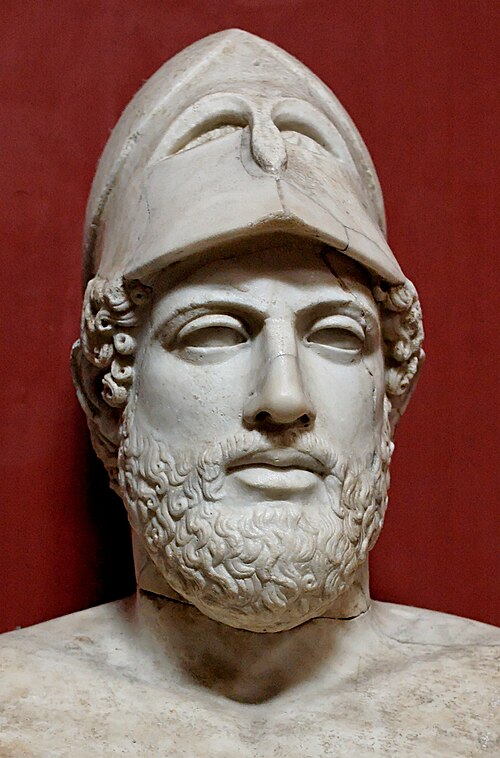
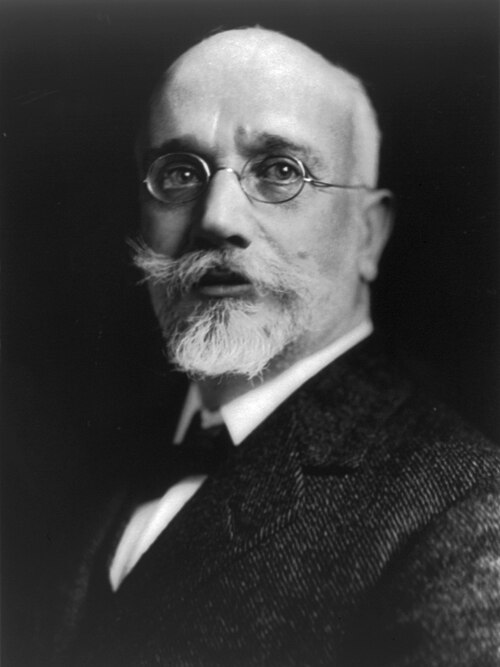
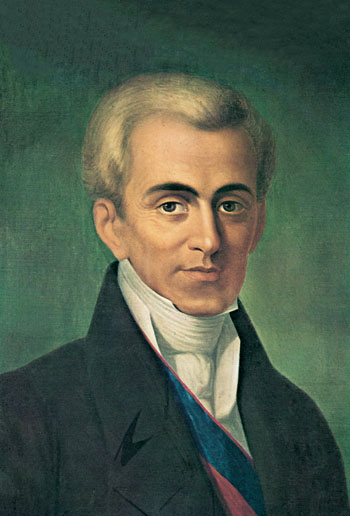
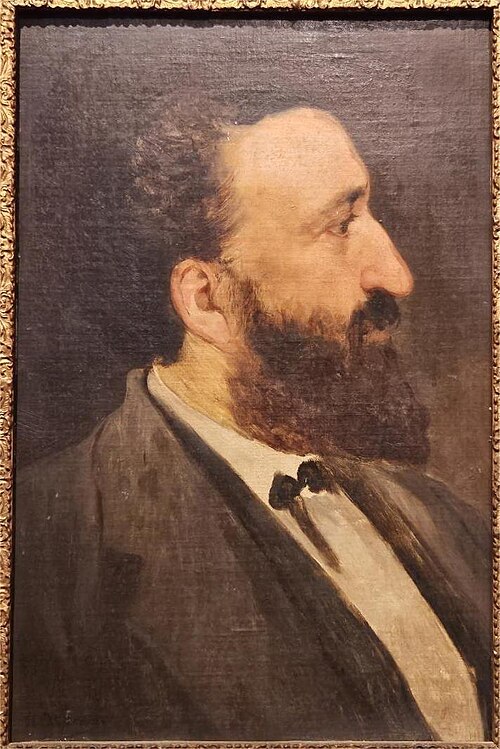
Public-domain pictures from Wikimedia Commons.
A line to remember
Πολύχρυσοι Μυκήναι
Polychrysoi Mykinai
Mycenae rich in gold