Life
Livaditis was born in Athens on 20 April 1922 and grew up in the city's ordinary neighbourhoods, which would fill his poetry. He enrolled at the law school of the University of Athens, but the war and the German Occupation interrupted everything. Like many young people of his generation he joined the Resistance through the left-wing youth organisations, and he remained faithful to the Left for most of his life.
During the Civil War he was arrested, and from 1948 to 1951 he was held in the camps where the Greek state sent its political opponents: on the island of Lemnos, on Makronisos, the notorious "re-education" camp, and on Agios Efstratios, which Greeks call Ai Stratis. There, among other exiled writers and artists, he kept writing; on Makronisos he began the poems of Φυσάει στα σταυροδρόμια του κόσμου. After his release he published his first collection in 1952 and worked as a journalist, above all as poetry critic of the left-wing newspaper Αυγή.
In the 1960s and 1970s his poetry changed. The disappointments of the Left, the dictatorship of 1967–1974 and his own growing inwardness led him to a quieter, more personal voice, and in his later years he lived a modest, almost withdrawn life in Athens. He kept writing until the end. He died in Athens on 30 October 1988; his last manuscripts were published after his death.
Works

Livaditis's work falls into two periods. The early poems, from Μάχη στην άκρη της νύχτας (Battle at the Edge of the Night, 1952) and Φυσάει στα σταυροδρόμια του κόσμου (The Wind Blows at the Crossroads of the World, 1953) to Καντάτα (Cantata, 1960), are long, rhetorical poems of struggle, written for comrades and for the poor, full of hope in a better world. They speak of exile, of the dead of the Civil War, of mothers and workers, in a passionate, open voice meant to be read aloud.
His lyrics belong to the same world. With Mikis Theodorakis he wrote Δραπετσώνα, the song about a poor family in the shanty town of Piraeus whose home is demolished, and Βρέχει στη φτωχογειτονιά (It's Raining on the Poor Neighbourhood), sung in the film Συνοικία το όνειρο (Dream Neighbourhood, 1961). Δραπετσώνα, sung by Grigoris Bithikotsis, became a classic of the 1960s.
From Νυχτερινός επισκέπτης (Night Visitor, 1972) onwards, and above all in Βιολέτες για μια εποχή (Violets for an Era, 1985) and Μικρό βιβλίο για μεγάλα όνειρα (Small Book for Great Dreams, 1987), he wrote short prose poems, almost parables. A lonely man walks through the city at night, speaks to God, to the dead, to his own childhood; ordinary objects, a chair, a lamp, a coat, become strange and tender. The tone is melancholic but full of compassion and a quiet, unexpected humour. These books, which many critics consider his best, made him one of the most loved Greek poets of the late twentieth century.
Legacy in Greece today
Livaditis is one of the Greek poets most shared today: short passages from his late prose poems circulate constantly on social media, in school notebooks and on posters, often among people who have never read a whole book of poetry. His collected poems are always in print. Δραπετσώνα and Βρέχει στη φτωχογειτονιά are still sung, both in the original recordings and by younger singers. A learner can listen to Δραπετσώνα and follow its simple, moving story, then open Βιολέτες για μια εποχή and read a single short poem a day: the sentences are clear, the images concrete, and each piece is only a few lines long.
Did you know?
- He was held in camps on three islands, Lemnos, Makronisos and Ai Stratis, before he had published a single book.
- His early poems were read aloud at political gatherings; his late ones are read alone at night.
- The song Δραπετσώνα tells the story of a family whose shack is pulled down by the authorities.
- Some of his last poems were published only after his death in 1988.
Key works
| Greek title | Title | Year |
|---|---|---|
| Μάχη στην άκρη της νύχτας | Battle at the Edge of the Night | 1952 |
| Φυσάει στα σταυροδρόμια του κόσμου | The Wind Blows at the Crossroads of the World | 1953 |
| Καντάτα | Cantata | 1960 |
| Νυχτερινός επισκέπτης | Night Visitor | 1972 |
| Βιολέτες για μια εποχή | Violets for an Era | 1985 |
| Μικρό βιβλίο για μεγάλα όνειρα | Small Book for Great Dreams | 1987 |
From the works


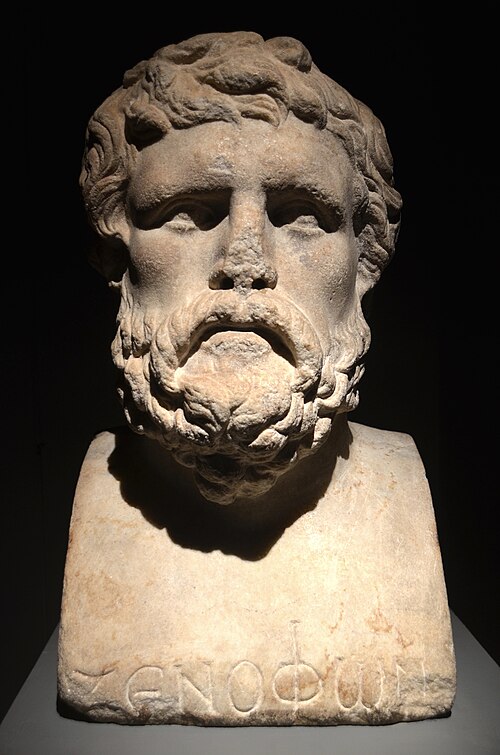
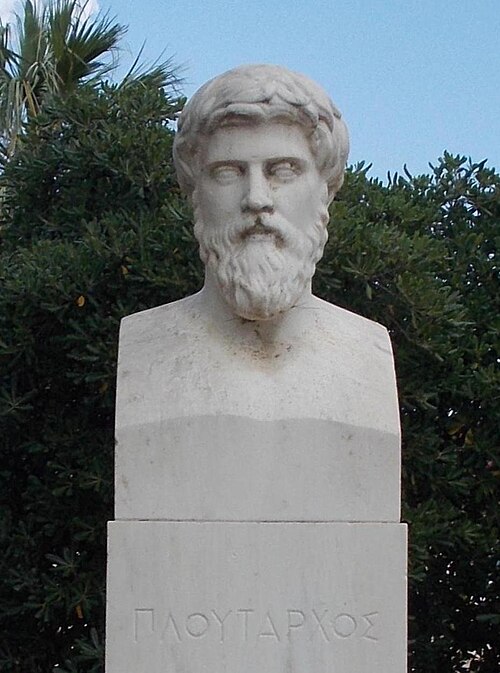
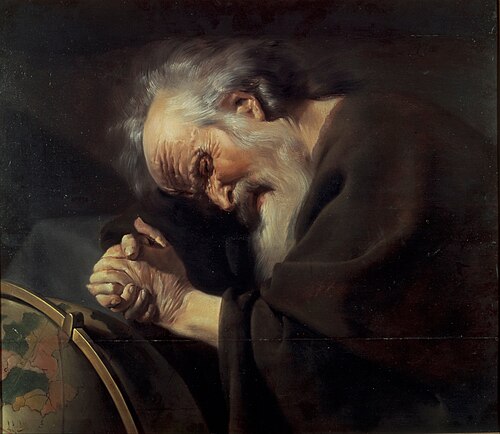
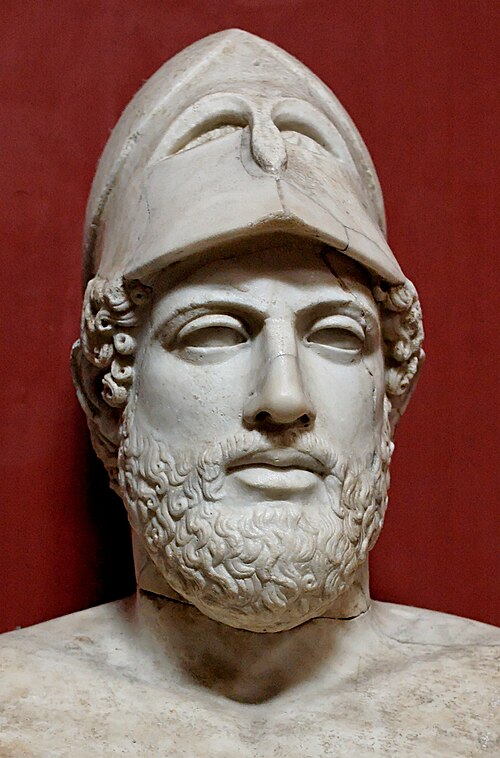
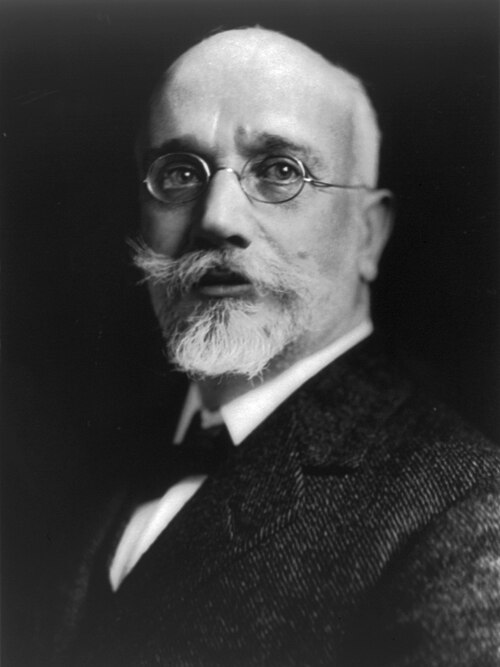
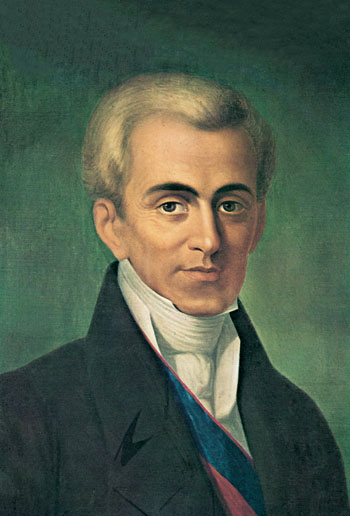
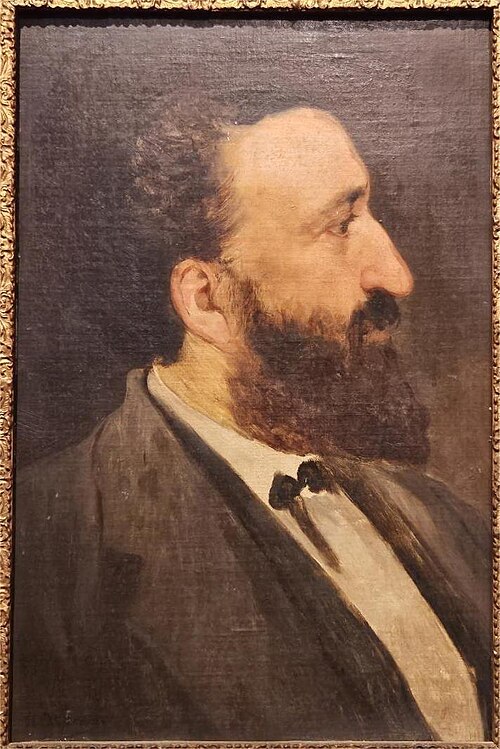
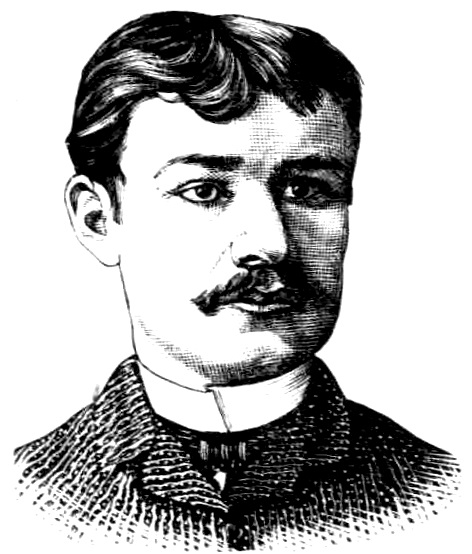
Public-domain pictures from Wikimedia Commons.
A line to remember
Βρέχει στη φτωχογειτονιά
Vrechei sti ftochogeitonia
It's raining on the poor neighbourhood