Life
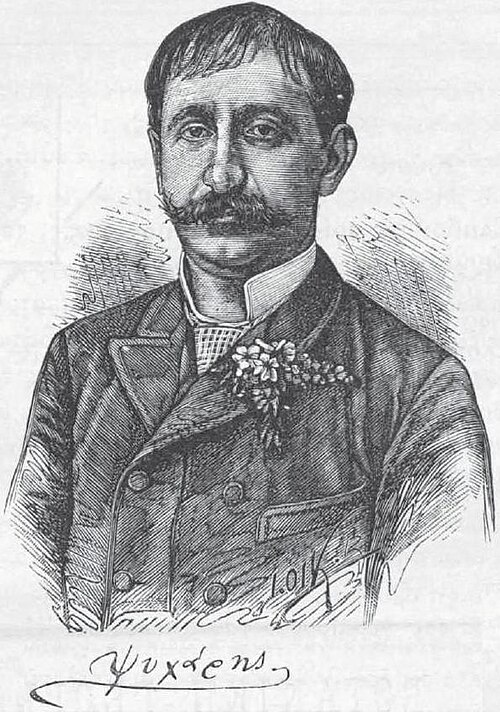
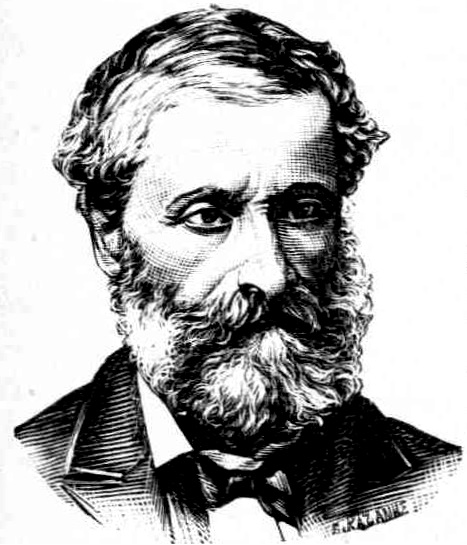
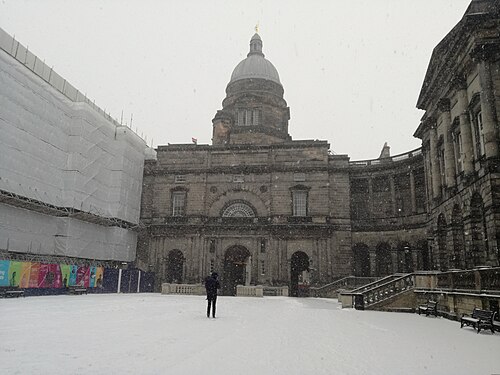
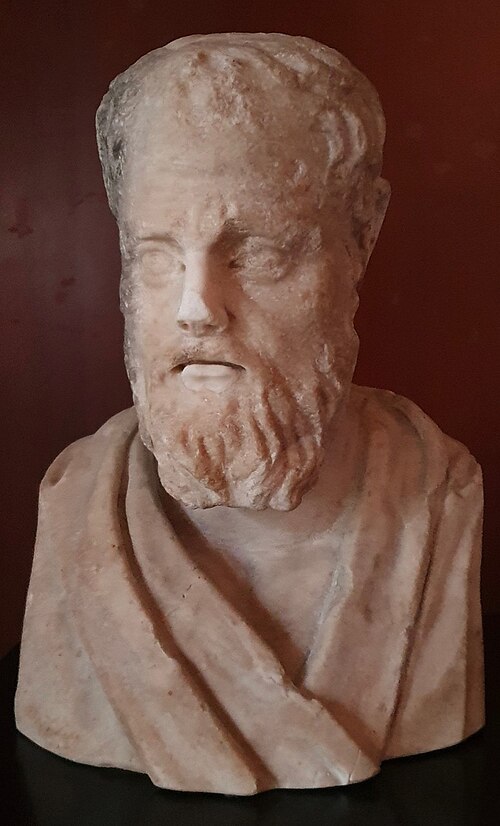
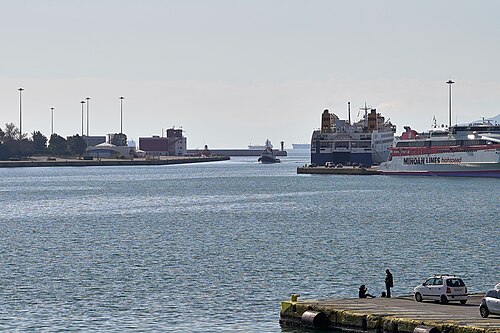
Bacchylides was born in Ioulis, the main town of the island of Kea, which ancient writers called Ceos. The geographer Strabo names both the poet Simonides and his nephew Bacchylides as natives of Ioulis. Later tradition makes the poet's mother a younger sister of Simonides and records a grandfather of the same name who was an athlete. His dates are uncertain. The Centre for the Greek Language gives about 510–450 BC, while ancient chronographers suggest he may still have been alive around 431–428 BC. What is secure is the period of his best-documented work, the 470s and 460s BC.
Like his uncle, Bacchylides wrote for patrons across the Greek world. His surviving odes were composed for victors and festivals connected with Kea, Aegina, Athens, Thessaly, Metapontum in southern Italy and Syracuse. His most prestigious patron was Hieron, ruler of Syracuse in Sicily. In 476 BC he sent Hieron an ode for the victory of his racehorse Pherenikos at Olympia, and in 468 BC he celebrated Hieron's Olympic chariot victory, an event for which Pindar is not known to have written a poem. Ancient readers often compared the two poets.
Plutarch, in his essay On Exile, lists the poet Bacchylides among writers who produced work while banished, and places him in the Peloponnese. The cause and date of this exile are unknown.
Works

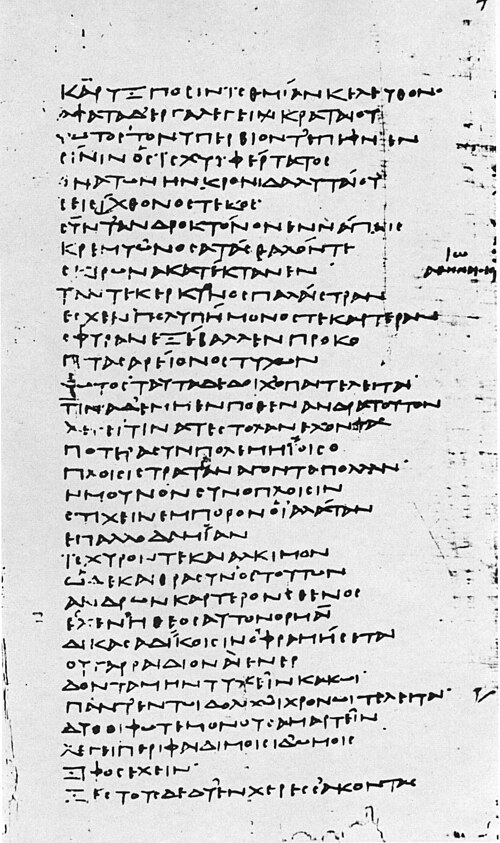
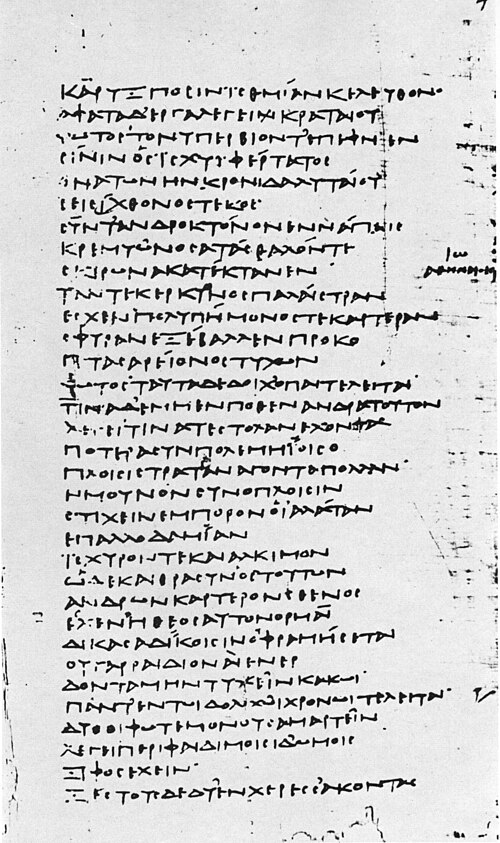
Alexandrian scholars arranged Bacchylides' poems in nine books, but by the Middle Ages only quotations in other authors survived. In 1896 the British Museum acquired the remains of papyrus rolls from Egypt, copied in the 2nd century AD and now British Library Papyrus 733. Frederic Kenyon published them in 1897. They preserve about twenty poems, with more than a thousand complete or nearly complete lines: victory odes (ἐπίνικοι, epinikia) and dithyrambs, songs for choruses at festivals.
The victory odes share the pattern Pindar also used: praise of the victor, a myth and reflection on human fortune. In Bacchylides the myth often stands at the centre and is told vividly. Ode 5 sends Heracles to the underworld, where he meets the ghost of Meleager. Ode 3 tells how the Lydian king Croesus climbed onto a pyre when Sardis fell and was saved by Apollo; at its close the poet calls himself the honey-tongued nightingale of Ceos.
The dithyrambs show his gift for drama. In Ode 17, Ἠίθεοι ἢ Θησεύς (The Young Athenians, or Theseus), Theseus dives from the ship of Minos and is welcomed by Amphitrite in the halls of Poseidon. Ode 18, Θησεύς (Theseus), is entirely dialogue: a chorus questions King Aegeus, who reports that a herald has come on foot from the Isthmus with news of an unknown young hero. His language is a literary choral Greek with Doric colouring, though he uses fewer Doric forms than most choral poets.
Legacy in Greece today
Bacchylides has become far easier to meet since 1896: Papyrus 733 is held by the British Library, and the Centre for the Greek Language offers his victory odes and dithyrambs online with Modern Greek translations. Ioulis, today Ιουλίδα, is still the main town of Kea. Try this: read the two quoted lines from Ode 18 and our Modern Greek rendering. Compare κᾶρυξ with κήρυκας and notice the long alpha where Modern Greek has eta. Then write five sentences about arriving somewhere new, using έφτασα (I arrived) and με υποδέχτηκαν (they welcomed me), for example Έφτασα στην Κέα με το πλοίο και με υποδέχτηκαν φίλοι στο λιμάνι (I arrived on Kea by boat and friends welcomed me at the harbour). The C2 level describes this adapted activity, not unaided reading of the ancient original.
Did you know?
- Strabo names Bacchylides as the nephew of Simonides, and both came from Ioulis on Kea.
- At the end of Ode 3 the poet calls himself the nightingale of Ceos.
- The papyrus that restored his poems was copied some six centuries after his lifetime.
- Ode 18 is written entirely as a dialogue between a chorus and King Aegeus.
Key works
| Greek title | Title | Year |
|---|---|---|
| Επίνικος 5 — Ἱέρωνι Συρακοσίῳ κέλητι | Ode 5 — for Hieron's racehorse at Olympia | 476 BC |
| Επίνικος 3 — Ἱέρωνι Συρακοσίῳ ἵπποις Ὀλύμπια | Ode 3 — for Hieron's chariot victory at Olympia | 468 BC |
| Διθύραμβος 17 — Ἠίθεοι ἢ Θησεύς | Ode 17 — The Young Athenians, or Theseus (dithyramb) | ? |
| Διθύραμβος 18 — Θησεύς | Ode 18 — Theseus (dithyramb in dialogue) | ? |
A line to remember
Νέον ἦλθεν δολιχὰν ἀμείψας κᾶρυξ ποσὶν Ἰσθμίαν κέλευθον·
In today's GreekΜόλις έφτασε ένας κήρυκας· διέσχισε πεζός τον μακρύ δρόμο από τον Ισθμό.
Néon ē̂lthen dolichàn ameípsas kâryx posìn Isthmían kéleuthon
A herald has just arrived, having crossed the long road from the Isthmus on foot.