Life
Sidiropoulos was born in Athens on 27 July 1948 into a comfortable family; until he was six the family lived in Thessaloniki, in his grandfather's house, and then settled in Athens. On his mother's side he was a great-grandson of Alexis Zorbas, the real man behind Kazantzakis's Zorba, and a nephew of the writer Elli Alexiou. In 1967 he entered the mathematics department of the University of Thessaloniki, but the rock scene of the city interested him more than his studies, which he gradually abandoned. The military dictatorship of 1967–1974 made rock a language of freedom: long hair, guitars and loud music were viewed with suspicion by the regime.
In 1969 he formed the duo Δάμων και Φιντίας (Damon and Pythias) with the guitarist Pantelis Deligiannidis, and in the early 1970s he sang with the group Μπουρμπούλια. After the fall of the junta he sang on records of the composer Giannis Markopoulos. In 1978 he joined forces with the young Athenian band Σπυριδούλα (Spyridoula) to record his own songs, and in 1979 he starred in the film Ο ασυμβίβαστος (The Uncompromising One). From 1980 until the end of his life he played with the band Οι Απροσάρμοστοι (The Misfits), recording albums and playing live around Greece.
His life was marked by the excesses of the rock world, and he struggled with heroin addiction for years. He died in Athens on 6 December 1990, at the age of forty-two, of an overdose. His death shocked a generation for whom he had been the voice of a different, freer Greece, and it turned him into a legend of Greek rock.
Works

Sidiropoulos's great contribution was linguistic as much as musical. Greek rock in the 1960s and 1970s often imitated British and American models and sang in English. He insisted on Greek, and on a very particular Greek: the language of the street, of students and of night owls, mixed with irony, wordplay and sudden moments of poetry. His lyrics speak of loneliness in the big city, of love and its failures, of drugs, conformity and rebellion, and they mock the respectable society that he refused to join.
The album Φλου (Blurry, recorded in 1978 and released in May 1979 with Σπυριδούλα) sold fewer than 5,000 copies at first, but has been reissued again and again; in 1992 the editors of the magazine Ποπ & Ροκ voted it the best album in the history of Greek rock. Its song Μπάμπης ο Φλου (Babis the Blur), a portrait of a dreamy, lost young man, is one of his best known. With Οι Απροσάρμοστοι he released Εν λευκώ (Carte Blanche, 1982), some of whose songs were banned from radio by the censors, and Zorba the Freak (1985), whose title plays on the most famous Greek stereotype, Zorba the Greek, and shows his wish to break with clichés about Greekness. The live album Χωρίς μακιγιάζ (Without Make-up) followed in 1989.
His voice was not polished, and he never sought commercial success; what mattered was sincerity. For many musicians who came after him, he showed that the Greek language could carry rock music without losing anything.
Legacy in Greece today
More than thirty years after his death, Sidiropoulos remains a cult figure in Greece. Young people who were not born when he died wear his face on T-shirts and sing his songs, and tribute concerts and albums by other artists keep appearing, especially around the anniversary of his death in December. His records have been reissued many times, and documentaries and books tell his story. In Thessaloniki and Athens his name comes up in every conversation about Greek rock. A learner can start with Μπάμπης ο Φλου and the album Φλου: listening with the lyrics in hand is an excellent way to learn real spoken Greek, including slang that no textbook teaches.
Did you know?
- On his mother's side he was a great-grandson of Alexis Zorbas, the model for Kazantzakis's Zorba, which gives an extra twist to his album title Zorba the Freak.
- He chose to sing rock in Greek at a time when many Greek rock bands sang in English.
- Φλου sold fewer than 5,000 copies on release; in 1992 the magazine Ποπ & Ροκ voted it the best Greek rock album ever.
- He also acted: he played the lead in the film Ο ασυμβίβαστος (1979) and sang all its songs.
Key works
| Greek title | Title | Year |
|---|---|---|
| Φλου (με τους Σπυριδούλα) | Flou (Blurry), album with Spyridoula | 1979 |
| Μπάμπης ο Φλου | Babis the Blur (song) | 1979 |
| Ο ασυμβίβαστος | The Uncompromising One (film, lead role) | 1979 |
| Εν λευκώ | En Lefko (Carte Blanche), album | 1982 |
| Zorba the Freak | Zorba the Freak (album) | 1985 |
| Χωρίς μακιγιάζ | Without Make-up (live album) | 1989 |
From the works

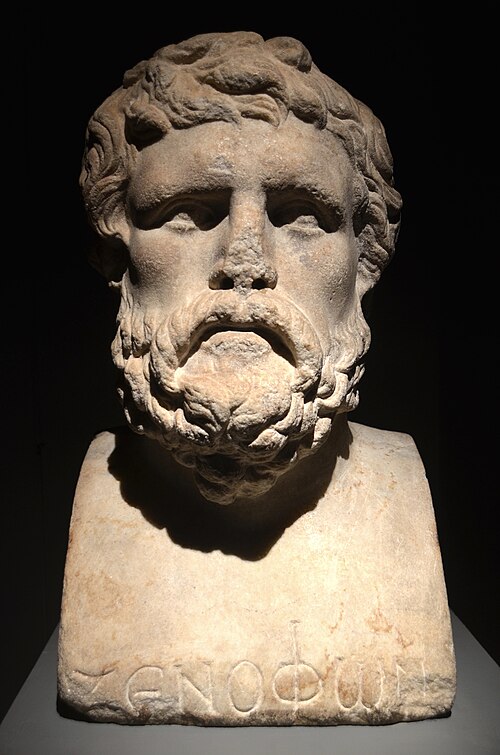
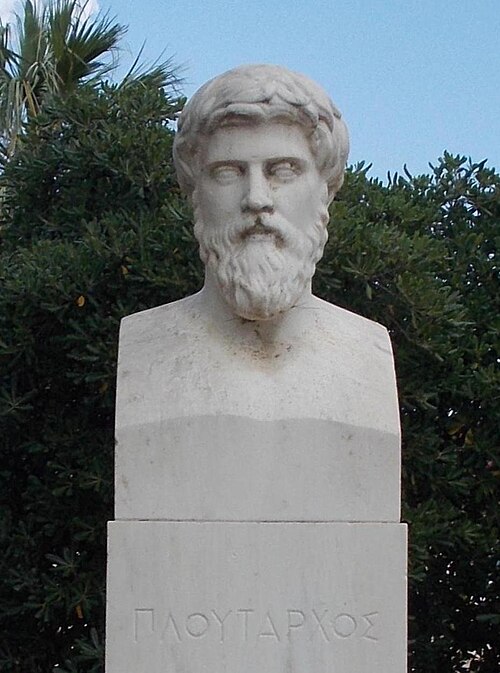
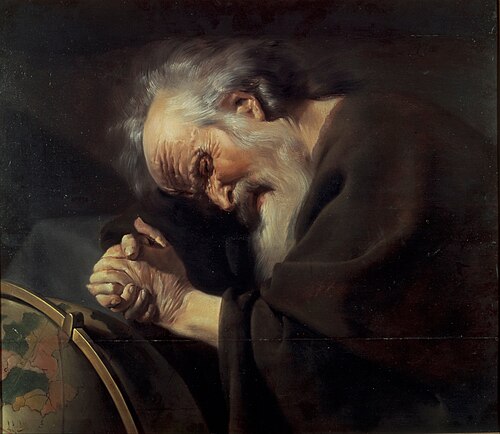
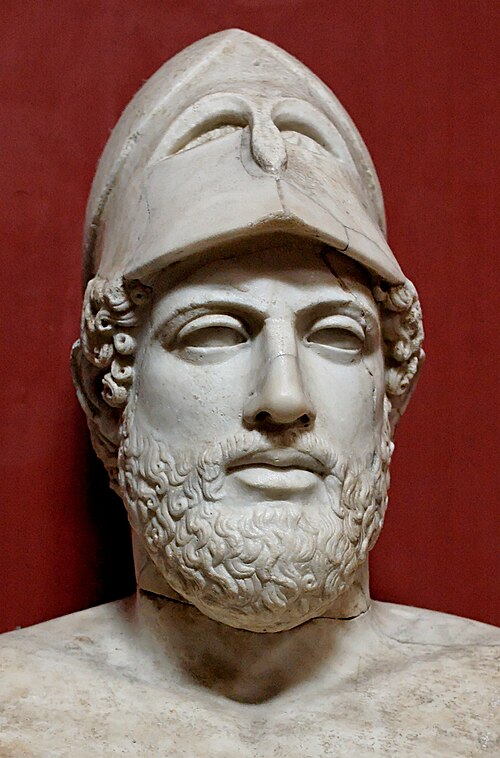
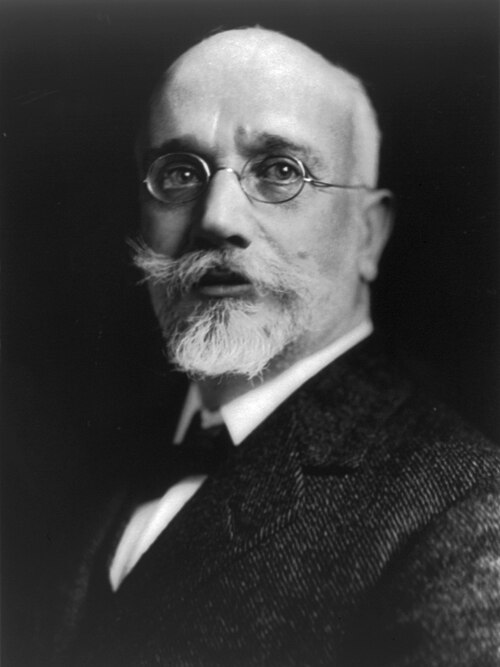
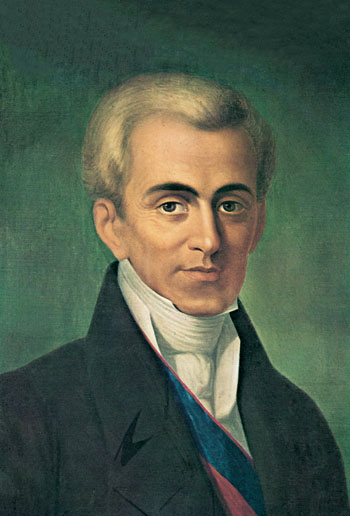
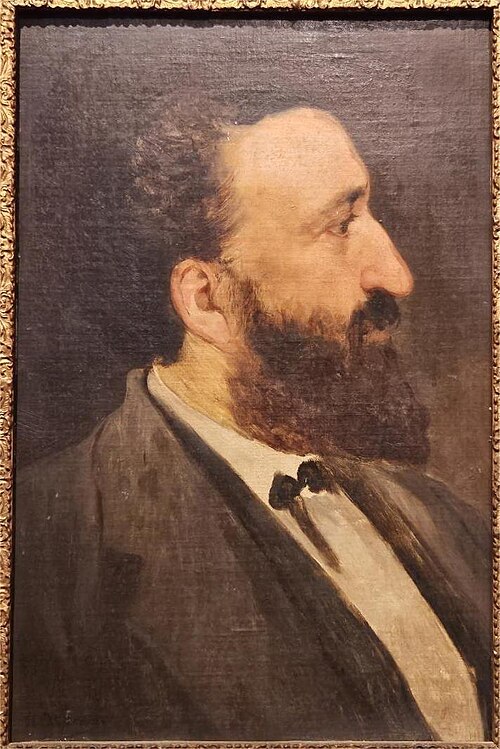
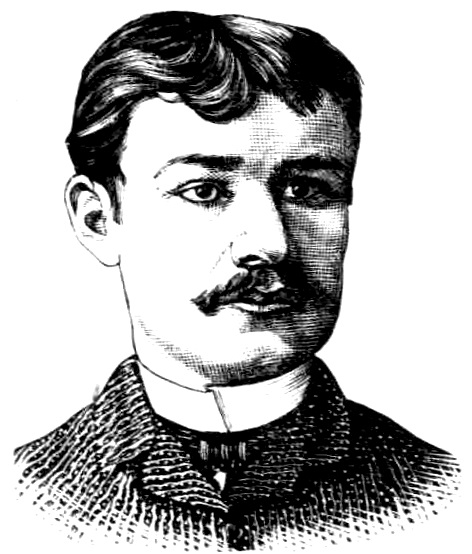
Public-domain pictures from Wikimedia Commons.
A line to remember
Μπάμπης ο Φλου
Bambis o Flou
Babis the Blur