Life
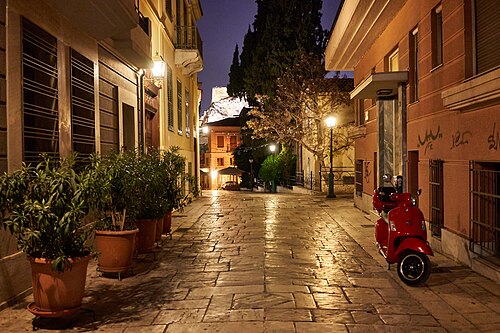
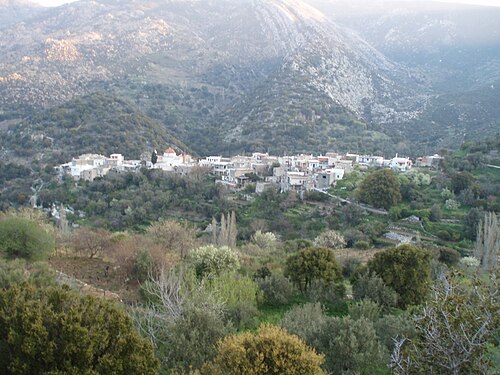
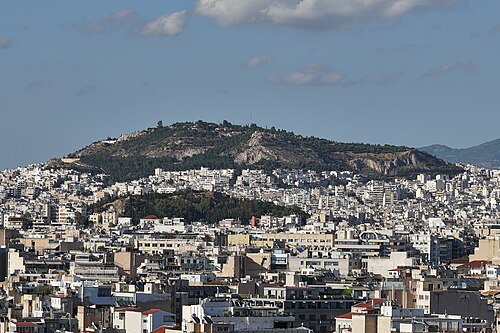
Matoula Zamani’s family are Vlachs from Panagia, a village in the Trikala region of Thessaly, and she spent her early childhood there among rivers, grandparents and relatives. When she was seven, the family moved to Athens, where she grew up in Exarchia, near Strefi Hill. In a 2013 interview with LiFO she remembered a grandmother who brought her a small Casio keyboard when she was about four, and a home where her mother, father and sister all sang; the family listened to Hadjidakis and Theodorakis as well as the Beatles.
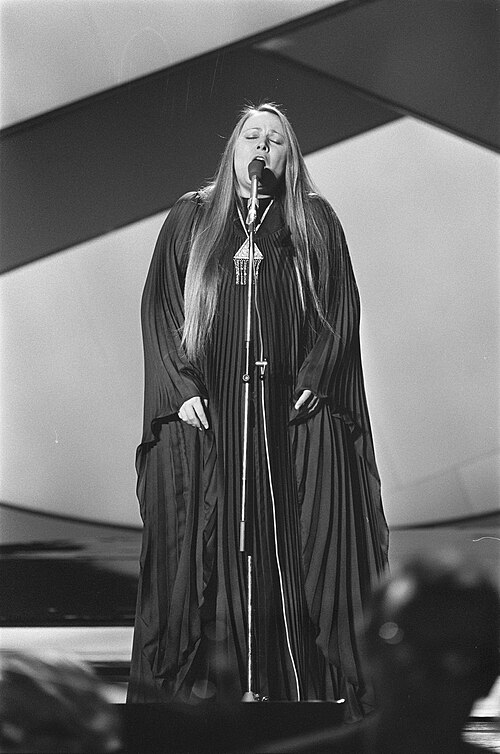
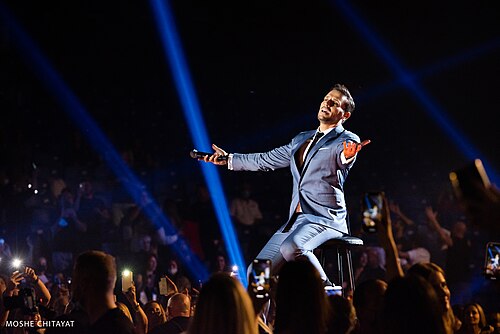
She attended the Music Gymnasium and Lyceum of Pallini and then studied at the School of Philosophy, finishing in five years while she kept singing. With friends she performed rebetiko, traditional songs and old songs from Smyrna. Her first stage appearance, she told Ta Nea in 2017, was in a small bar in Exarchia with a band of friends playing traditional music. By 2013 she had been working with Thanasis Papakonstantinou for about three years, and in 2020 she told To Vima that it was her tenth year of performing her own songs. By then she was living on the island of Amorgos, and her concerts have taken her across Greece and to Cyprus.
Works
Zamani’s first album, Varligali (2012), appeared on Antart Productions and consists mostly of her own lyrics and music. The title, she told LiFO, is a Vlach expression meaning πέρα δώθε (back and forth). Songs named after the islands Donousa and Folegandros sit beside a new version of Τα χεράκια μου δεμένα (My Little Hands Are Tied) by Apostolos Kaldaras and Lefteris Papadopoulos. In January 2012 she presented the album at the Athens club Stavros tou Notou with the band Burger Project; reviewer Eleni Lampraki called her an authentic, unalloyed interpreter. Muma (2014, Sui Generis Music) takes its title from the Vlach word for mother and includes Μπανιστηρτζού, recorded with Eisvoleas.
5 χειμώνες, 6 καλοκαίρια (5 Winters, 6 Summers, 2016) gathers fifteen live recordings of Papakonstantinou’s songs, taken from his concerts of 2012 to 2015, with Zamani as the main voice. In his note the composer wrote that she had wrestled with his difficult songs and come out the winner; critic Giorgos Charonitis praised the interpretive truth of her singing. Nuka, ten songs released in December 2018, again has a Vlach title, meaning καρυδιά (walnut tree), and is dedicated to her father, Giannis Zamanis. Since then she has released mostly singles, among them Αλιάκμονας (2024), whose title is the name of a river in northern Greece. In 2020 she described her newer material as emotionally electronic and unmistakably traditional.
Legacy in Greece today
Zamani belongs to a generation of Greek singers who move freely between traditional song, rebetiko and the entechno songs of composers such as Papakonstantinou, while also writing their own material. Her album titles bring Aromanian (Vlach), a Romance language long spoken in parts of Greece, into Greek popular music, always explained in Greek. Try this: find the track lists of Varligali, Muma and Nuka, then write one Greek sentence for each title in the pattern of her own note on Nuka: «Nuka», που στα βλάχικα σημαίνει «καρυδιά» (Nuka, which in Vlach means walnut tree). Then add a reason in Greek: why might a singer choose a word from her family’s language? Compare your sentences with the graded passage on this page. Remember that the Vlach words themselves are not Greek; the explanations around them are.
Did you know?
- Her album titles Varligali, Muma and Nuka are all Vlach words.
- She went to a music secondary school in Pallini, near Athens.
- Her live album with Papakonstantinou was recorded at concerts between 2012 and 2015.
- She dedicated Nuka (2018) to her father.
Key works
| Greek title | Title | Year |
|---|---|---|
| Varligali | Varligali — Back and Forth | 2012 |
| Muma | Muma — Mother | 2014 |
| 5 χειμώνες, 6 καλοκαίρια | 5 Winters, 6 Summers — songs by Thanasis Papakonstantinou, live | 2016 |
| Nuka | Nuka — Walnut Tree | 2018 |
| Αλιάκμονας | Aliakmonas — single | 2024 |
A line to remember
Πιστεύω στην αγάπη και στην ελευθερία.
Pistévo stin agápi ke stin elefthería.
I believe in love and in freedom.