Life
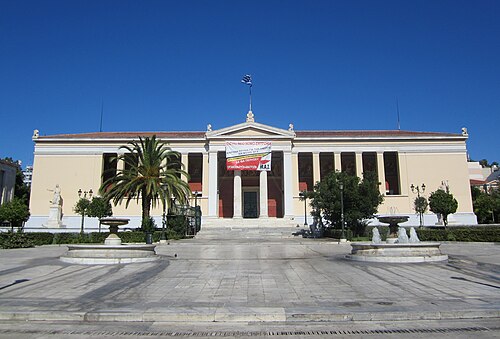
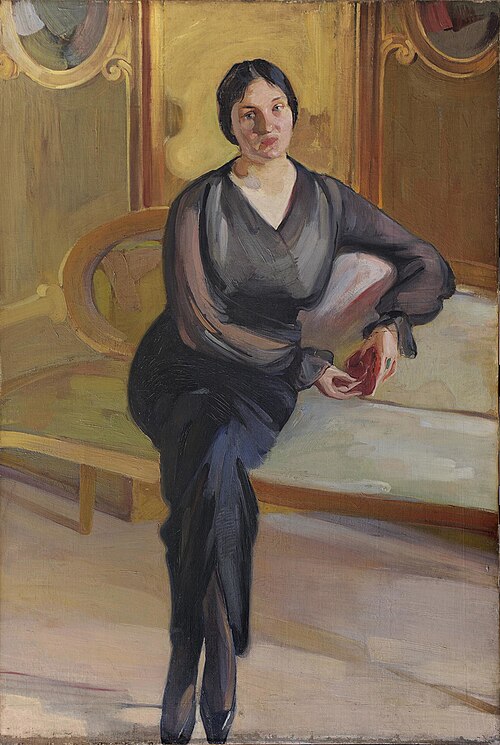
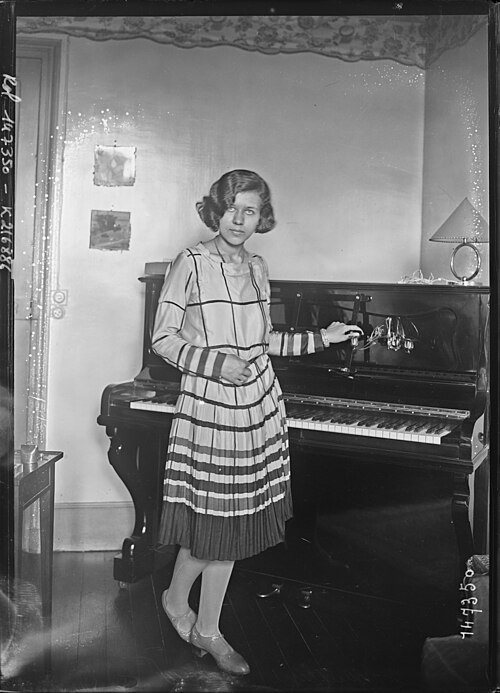
Loukia Maggiorou, also written Mangiorou or Magiorou in Latin letters, was born in Athens in 1914. From 1934 to 1939 she studied painting and printmaking at the Athens School of Fine Arts, first with Konstantinos Parthenis and then with the printmaker Giannis Kefallinos. In a later interview she recalled that Parthenis encouraged her to turn to printmaking. In 1939–1940 she continued in the copper-engraving workshop of the École des Beaux-Arts in Paris. Yannis Moralis painted her portrait in oil in 1939.
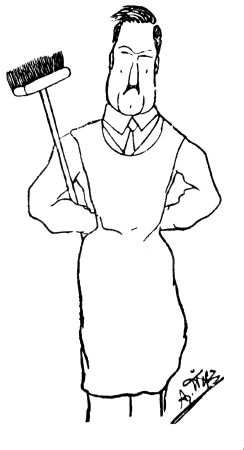
At the School she met the engraver A. Tassos (Anastasios Alevizos, 1914–1985), who became her partner in life and work and later her husband. During the Occupation she was a founding member of the group of EAM artists, and with other artists she cut woodcuts that circulated as anti-occupation propaganda. She was also a founding member of the Chamber of Fine Arts, set up in 1944, and of the art group Στάθμη (Level).
After her studies an accident to her hand meant that she should not tire it, so she went on working mainly as a painter. In 1987, two years after Tassos's death, she founded the Society of Visual Arts «Α. Τάσσος» to promote his work and support young Greek printmakers. She died in Athens in 2008.
Works
Besides woodcuts, her printmaking includes illustrations for albums and books. She illustrated books with woodcuts, among them M. Karagatsis's Λειτουργία σε λα ύφεσις (Mass in A-flat, 1943) and books by K. Paraschos and K. Makris. The State Museum of Contemporary Art in Thessaloniki describes her prints as spare in line, with expressionist elements, and her painting as soft in its tonal gradations and harmonious in colour.
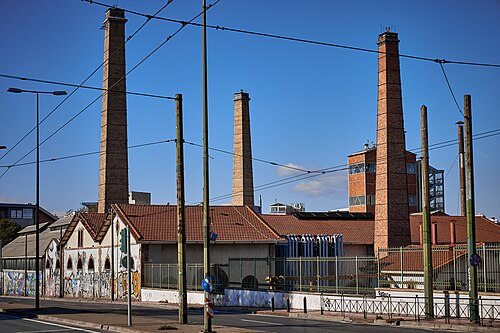
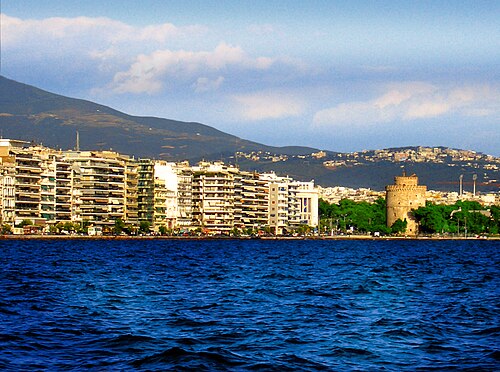
Her best-known public work was made with Tassos in 1960: Η καλλιέργεια του καπνού (Tobacco Cultivation), commissioned by the Papastratos company for the National Tobacco Organisation's factory in Stavroupoli, western Thessaloniki. It was made to portray the factory's tobacco workers, and at first they were its only viewers. In mixed technique on fabric mounted on wood, it measures 2 × 12.40 metres and unfolds in five sections like a frieze, drawing on Byzantine art, vase painting and ancient sculpture in earthy and grey tones. After conservation at the National Gallery, it was shown at the Lazarist Monastery in Thessaloniki in 2013.
The National Gallery in Athens holds two of her paintings: the watercolour Κατασκήνωση στη Βελίκα (Camping at Velika), dated to around 1965 and donated by the Ministry of Education, and the large oil Μεσημέρι (Noon), from around 1980.
Legacy in Greece today
Maggiorou's paintings remain in public collections and are still exhibited. In summer 2017 the Municipality of Skiathos showed more than thirty of her original paintings and prints at its cultural centre on the Bourtzi. The Society of Visual Arts «Α. Τάσσος» that she founded continues to support Greek printmaking. For a Greek task, open the National Gallery's online record of Κατασκήνωση στη Βελίκα (Camping at Velika). Look at the title: Greek writes στη Βελίκα without a final ν, but στην Αθήνα and στην Κέρκυρα with it, because the ν stays before a vowel and before sounds such as κ, π and τ. Then write one careful sentence about the date: Ο πίνακας χρονολογείται γύρω στο 1965 (The painting is dated to around 1965).
Did you know?
- She and A. Tassos were both born in 1914 and met as students at the Athens School of Fine Arts.
- Their tobacco frieze is 12.40 metres long, roughly the length of a city bus.
- Yannis Moralis painted her portrait in 1939, while she was finishing her studies.
- Her watercolour of Velika reached the National Gallery as a donation from the Ministry of Education.
Key works
| Greek title | Title | Year |
|---|---|---|
| Ξυλογραφίες για τον αντιστασιακό Τύπο | Woodcuts for the Resistance press | 1941–1944 |
| Η καλλιέργεια του καπνού | Tobacco Cultivation (with A. Tassos) | 1960 |
| Κατασκήνωση στη Βελίκα | Camping at Velika | 1965 |
| Μεσημέρι | Noon | 1980 |
| Εταιρεία Εικαστικών Τεχνών «Α. Τάσσος» | Founding of the Society of Visual Arts «Α. Τάσσος» | 1987 |
A line to remember
Εξαιτίας της Κατοχής δουλεύαμε πολύ αναπαραγωγές, οπότε και χαρακτική.
Exaitías tis Katochís doulévame polý anaparagogés, opóte kai charaktikí.
Because of the Occupation we worked a lot on reproductions, and so on printmaking too.