Life
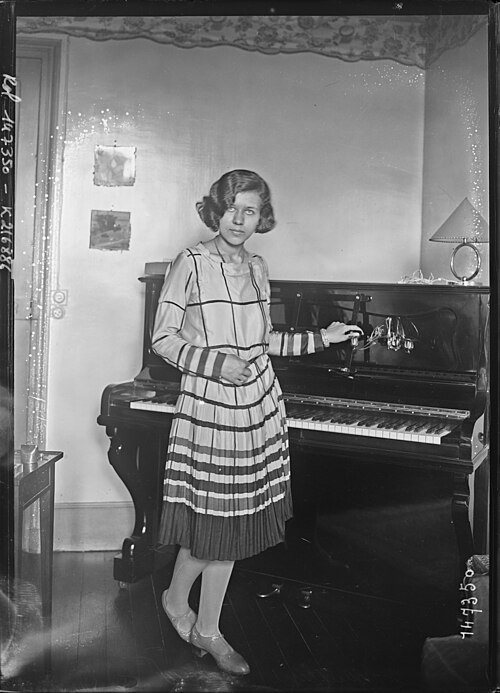
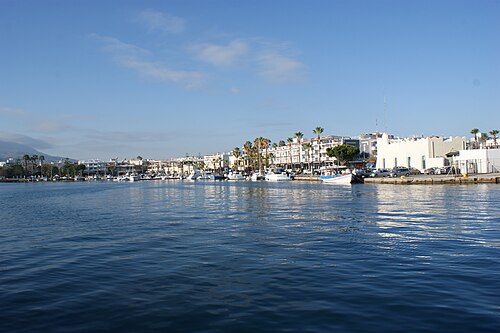
Marika Papagika was born Marika Katsori on the island of Kos, then under Ottoman rule. Her death certificate gives 1 September 1890 as her date of birth, but no earlier record confirms it. As a child she moved with her family to Alexandria, where the large Greek community supported cafés and music halls, and she began to sing there. Around late 1913 or early 1914 she recorded for the Gramophone Company in Egypt; very little of that material is known to survive. By then she had married Kostas (Gus) Papagikas, who played the cimbalom, a hammered string instrument related to the Greek santouri. He accompanied her on many of her records.
In March 1915 the couple sailed from Piraeus and reached Ellis Island in April with about forty dollars, giving Chicago as their destination. By 1918 they were in New York. In July 1918 Marika made a trial recording for Victor, and her first issued Victor sides followed that December; from July 1919 she also recorded for Columbia. Around 1925 the couple opened Marika’s, a café-aman at 215 West 34th Street in Manhattan, where Greek and other Mediterranean immigrants came to hear music. The 1929 stock-market crash ruined the business and ended most of her recording career. Apart from four patriotic songs recorded for Victor in 1937, she did not return to the studio. She died in a Staten Island hospital on 2 August 1943.
Works
Papagika’s repertoire was wide. The record catalogues list Smyrna-style songs and amanedes, island and mainland folk songs, kleftic and patriotic songs, café songs in the rebetiko manner, and even fashionable tangos and waltzes. Her accompaniment was unusual for Greek records of the time: violin, cello and cimbalom, later sometimes with clarinet or oud. The cellist Markos Sifnios and her husband play on many sessions, with violinists such as Athanasios Makedonas and George Theologou.
Her best-known recording is Σμυρνέικο μινόρε (Smyrna Minor), a slow, improvised song in the manner of the amanes. She recorded it for Victor on 4 December 1918 and again for Columbia around July 1919. The song circulated before her: a Smyrna recording from 1909 is among its early versions. Yet her performance is the one most listeners know today. Other titles show the variety of her catalogue: Το ηλεκτρικό κορίτσι (The Electric Girl, 1924), Σμυρνιώτικο ζεϊμπέκικο (Smyrna Zeibekiko, 1925) and Ντουρού, ντουρού (1928), labelled as rebetiko. In 1937 she recorded Τον Βενιζέλο χάσαμε (We Lost Venizelos), a song on the death of the statesman Eleftherios Venizelos in 1936. Because the companies printed most titles in Latin letters, her catalogue also shows how Greek words were spelled for the American market.
Legacy in Greece today
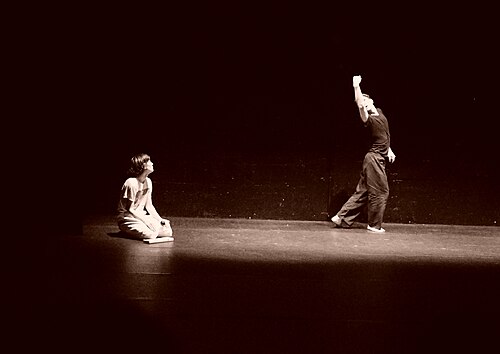
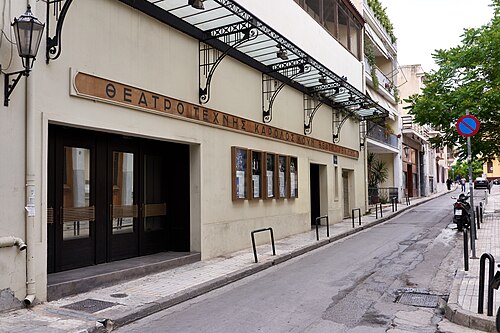
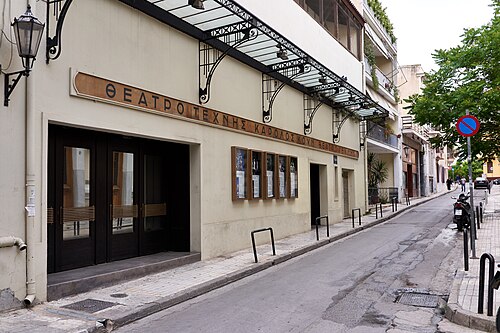
For decades Papagika was known mainly to record collectors. Greek reissues of 78 rpm recordings brought her songs back, and in 2010 the American researcher Ian Nagoski’s Canary Records LP The Further the Flame, the Worse It Burns Me introduced her to new listeners. In Athens, the monologue Μαρίκα Παπαγκίκα – Το ηλεκτρικό κορίτσι (Marika Papagika – The Electric Girl) by Nikos Stamatiadis, directed and performed by Kerasia Samara, returned to the Ροές theatre in December 2023. Try this: the Discography of American Historical Recordings (UC Santa Barbara) offers online audio of the 1918 Victor Σμυρνέικο μινόρε. Listen to a short stretch twice: first notice only the hiss and crackle, then follow her vowels and stressed syllables. Finally, rewrite three catalogue titles in Greek letters with accents: Smyrniotico zabekiko becomes Σμυρνιώτικο ζεϊμπέκικο, Stoma me stoma becomes Στόμα με στόμα, To electrico koritsi becomes Το ηλεκτρικό κορίτσι.
Did you know?
- Her first issued Victor session, on 4 December 1918, included Σμυρνέικο μινόρε.
- The record companies named her husband’s instrument differently: santur in the Victor files, cimbalom at Columbia.
- Her café-aman, Marika’s, stood on West 34th Street in Manhattan.
Key works
| Greek title | Title | Year |
|---|---|---|
| Σμυρνέικο μινόρε | Smyrna Minor | 1918 |
| Στόμα με στόμα | Mouth to Mouth | 1920 |
| Το ηλεκτρικό κορίτσι | The Electric Girl | 1924 |
| Σμυρνιώτικο ζεϊμπέκικο | Smyrna Zeibekiko | 1925 |
| Ντουρού, ντουρού | Dourou, dourou — rebetiko | 1928 |
| Τον Βενιζέλο χάσαμε | We Lost Venizelos | 1937 |
A line to remember
Η ίδια μεσουράνησε στη Νέα Υόρκη τη δεκαετία του 1920.
I ídia mesouránise sti Néa Yórki ti dekaetía tou 1920.
She herself reached her height in New York in the 1920s.