Life
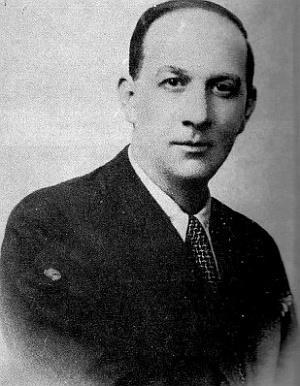
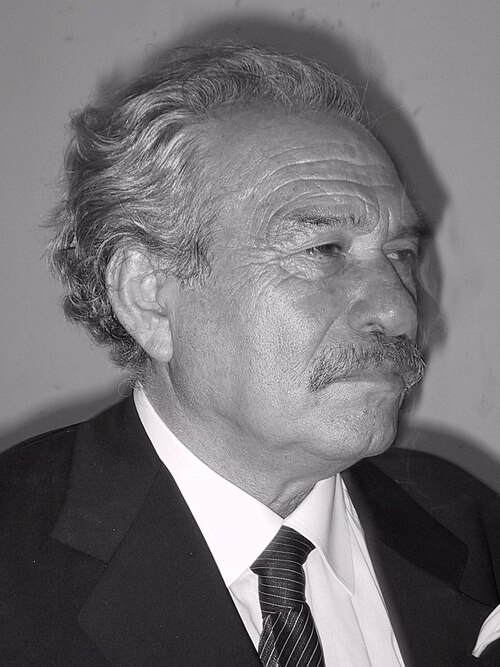
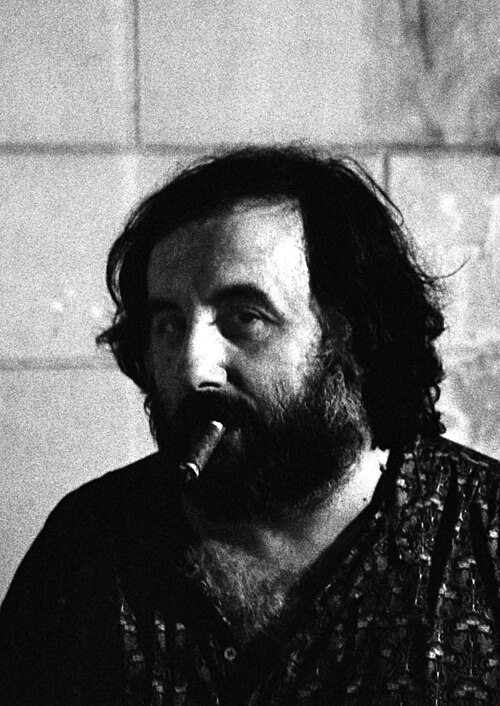
Taktsis was born in Thessaloniki on 8 October 1927. His parents separated when he was a child, and at about seven he was sent to Athens to live with his grandmother; the women of that household, their quarrels and their stories, would become the raw material of his fiction. He lived through the Occupation and the Civil War as a teenager in Athens, studied law at the University of Athens for two years without finishing, and began to publish poetry in the early 1950s.
Restless and short of money, he left Greece in the mid-1950s and travelled for years, working at all kinds of jobs in Europe, the United States and Australia. It was abroad, at a distance from Greece, that he wrote Το τρίτο στεφάνι. Publishers in Athens turned it down, and in 1962 he printed it himself; word of mouth, and later translations into English and other languages, brought recognition.
Back in Athens, he lived on writing and translation and became a well-known, provocative figure. He was homosexual and wrote about it with a frankness unusual in Greece, and in his later autobiographical writing he described his nights in the city with defiant candour. In August 1988 he was strangled in his home in Kolonos, Athens; his body was found on 27 August, and the killer was never identified. His autobiographical Το φοβερό βήμα (The Terrible Step) appeared after his death.
Works

Το τρίτο στεφάνι (The Third Wedding, 1962) takes its title from the Orthodox marriage service, in which crowns, the «στέφανα», are placed on the heads of bride and groom: the narrator, Nina, is preparing for her third marriage. But the novel is mostly about Ekavi, her friend, a proud, difficult mother whose name is that of Hecuba, the Trojan queen who lost her children. Through Nina's voice we follow both families from the 1930s through the Albanian war, the famine of the Occupation, the December events of 1944 and the Civil War. The great events of history enter only through the kitchen, the neighbours and the family table.
What made the book revolutionary was its language. Taktsis gave up the literary Greek of his predecessors and wrote in the spoken idiom of Athenian petty-bourgeois women, with its proverbs, exaggerations, gossip and sudden cruelty, in long monologues that sound like overheard conversations. The result is at once comic and tragic. His later books, the stories of Τα ρέστα (The Small Change, 1972) and the essays of Η γιαγιά μου η Αθήνα (My Grandmother Athens, 1979), keep the same ironic, conversational voice, now turned on Greek society, the city and himself.
Legacy in Greece today
Το τρίτο στεφάνι is on every list of the great Greek novels of the twentieth century, is taught in university courses and has been adapted for the stage, notably by the National Theatre of Greece in 2009. It is the ideal advanced reading: open it anywhere and you hear how Athenians actually talked, with expressions you will still meet today. Η γιαγιά μου η Αθήνα is a wonderful guide to the old city. Taktsis is also remembered as one of the first Greek writers to speak openly about homosexuality, and his unsolved murder still comes up in Greek discussions of prejudice. The site's page on Dido Sotiriou, another great novelist of twentieth-century Greek history, makes a good companion.
Did you know?
- Athenian publishers rejected The Third Wedding, so he paid for the first edition himself in 1962.
- He wrote much of the novel while living and working abroad.
- The title refers to the crowns, «στέφανα», of the Orthodox wedding service.
- His murder in 1988 was never solved.
Key works
| Greek title | Title | Year |
|---|---|---|
| Το τρίτο στεφάνι | The Third Wedding | 1962 |
| Τα ρέστα | The Small Change | 1972 |
| Η γιαγιά μου η Αθήνα | My Grandmother Athens | 1979 |
| Το φοβερό βήμα | The Terrible Step | 1989 |
A line to remember
Το τρίτο στεφάνι
To trito stefani
The third (wedding) crown