Life
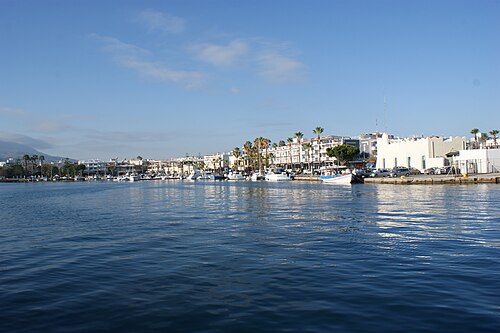
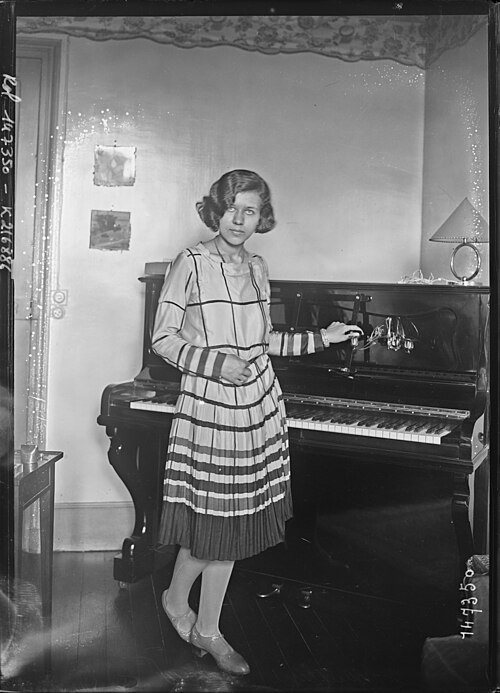
Victoria Theodorou was born in Chania, Crete. The Chania newspaper Χανιώτικα Νέα gives 22 December 1925; several library and archive records give 1926. Her mother was Cretan and her father an icon painter from Serbia. As a schoolgirl she lived through the German invasion of Crete in 1941, and as a teenager she joined ΕΠΟΝ, the youth organisation of the Resistance.
After the war she moved to Athens and entered the Faculty of Philosophy of the University of Athens. During the Civil War she was arrested as a left-wing student and sent into exile, first to the women’s camp on Chios, then to Trikeri and Makronisos, and finally back to Trikeri. Accounts date the start of her exile to 1947 or 1948. She refused to sign a δήλωση μετανοίας (declaration of repentance), the statement the camps demanded from prisoners. At the end of 1952, according to the Chania press, she was released as an αδειούχος εξόριστη (exile on licence), after efforts by Charidimos Spanoudakis, a fellow Cretan whom she married in 1955.
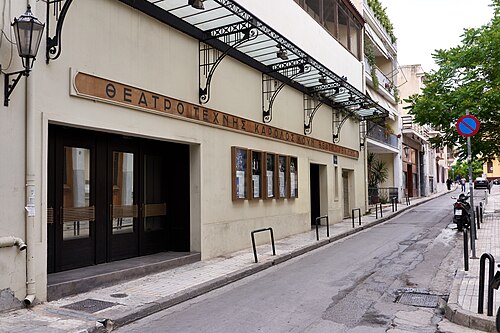
She later completed her degree in classical philology and lived in Athens. Her first poems appeared in the journal Επιθεώρηση Τέχνης (Art Review) in 1955. In 1998 she gave her papers to the Contemporary Social History Archives (ΑΣΚΙ). She died in February 2019 and was buried at Zografou Cemetery in Athens.
Works
Theodorou’s first collection, Εγκώμιο (Eulogy), appeared in 1957. Eleven more followed, among them Βορεινό προάστιο (Northern Suburb, 1966), Ουρανία (1978), Άρειος ύπνος (Sleep of Ares, 1983), Η νυχτωδία των συνόρων (The Night Song of the Borders, 1986) and Ευνοημένοι (The Favoured, 1998). Critics place her in the first postwar generation of Greek poets. Her poems grow from lived experience, and water, the sea and the Cretan coast return again and again. Άρειος ύπνος was prompted by the German war cemetery at Maleme near Chania, and questions the honours paid there to fallen soldiers of the invading army.
Her prose is closely tied to her years in the camps. Στρατόπεδα γυναικών (Women’s Camps, 1975) is not her own memoir: it is her edition of nine notebooks in which women held on Chios, Trikeri and Makronisos between 1947 and 1951 recorded their experiences. The notebooks had been hidden by the prisoners; the scholar Rosa Imvrioti, also an exile, kept them and later handed them to Theodorou. In 1996 she also edited a photographic volume with the Association of Political Exiled Women, Γυναίκες εξόριστες στα στρατόπεδα του εμφυλίου (Women Exiles in the Camps of the Civil War). Her other prose books include Ο Τράικο (Traiko, 1982). She also translated poetry from French and from Slavic languages, and her own poems appeared in French as Poèmes choisis (2001).
Legacy in Greece today
Theodorou’s papers, including notebooks and protests written by exiled women and poems she wrote on Makronisos and Trikeri, are kept by the Contemporary Social History Archives (ΑΣΚΙ). In July 2019 the Centre for Cretan Literature and the Orthodox Academy of Crete held a day of talks in her memory at Kolymbari, near Chania. For learners, her work offers a careful lesson in whose memory is speaking. Read the subtitle of Στρατόπεδα γυναικών, which speaks of notebooks with accounts by detained women. Then write two sentences of your own. First, report: Το 2010 η Θεοδώρου είπε ότι η ποίηση ήταν γι’ αυτήν καταφύγιο (In 2010 Theodorou said that poetry was a refuge for her). Second, a dated memory of your own: Θυμάμαι ότι το 2015… (I remember that in 2015…). Compare the verbs and tenses you used.
Did you know?
- Her father was an icon painter from Serbia, and she later translated poetry from Slavic languages.
- The notebooks in Στρατόπεδα γυναικών had been hidden by the prisoners before they reached her.
- She refused throughout her exile to sign the declaration of repentance.
- Her poem collection Άρειος ύπνος was prompted by a war cemetery near her home town.
Key works
| Greek title | Title | Year |
|---|---|---|
| Εγκώμιο | Eulogy — first poetry collection | 1957 |
| Βορεινό προάστιο | Northern Suburb | 1966 |
| Στρατόπεδα γυναικών | Women’s Camps — prisoners’ notebooks, edited by her | 1975 |
| Άρειος ύπνος | Sleep of Ares | 1983 |
| Η νυχτωδία των συνόρων | The Night Song of the Borders | 1986 |
| Ευνοημένοι | The Favoured | 1998 |
A line to remember
Η ποίηση ήταν για εμένα ένα καταφύγιο ενάντια στις δυσκολίες που αντιμετώπισα.
I píisi ítan ya eména éna katafýgio enántia stis dyskolíes pou antimetópisa.
For me, poetry was a refuge against the hardships I faced.