Life
Melas was born on 13 January 1882 in Nafpaktos, the small harbour town on the Gulf of Corinth known to Europeans as Lepanto. He spent his childhood and teens in various Greek towns; the family finally settled in Piraeus, and after his father's death he had to work to support it. He took his first steps in journalism at the Piraeus paper Φωνή του Πειραιά and never really left the press: for decades he wrote reports, chronicles and polemical articles for Athenian papers such as Ακρόπολις and Άστυ, and in his last years for Ελευθερία (1957–1966). He was a founding member of the Athens journalists' union (ΕΣΗΕΑ) and was known for a sharp, combative and vivid style.
At the same time he wrote for the theatre. His first play, Ο γιος του ίσκιου (The Son of the Shadow), was staged in 1907 by the company of Eftychios Vonaseras, when Athens was discovering the modern drama of Ibsen and his followers, and over the following decades he moved from drama to comedy and historical plays. Between the wars he was one of the familiar figures of the theatrical life of the capital, as author, critic and polemicist.
From around 1930 he turned increasingly to history, writing popular biographies of the men of 1821 in the lively manner of a journalist rather than an academic. His standing as a man of letters was recognised by the Academy of Athens, which formally received him as a new member in 1936; in 1959 he served as its president. He kept writing into old age and died in Athens on 2 April 1966.
Works

Melas's early plays belong to the new Greek theatre of ideas of the 1900s and 1910s: Ο γιος του ίσκιου (1907) and Το άσπρο και το μαύρο (The White and the Black, 1913), staged by the company of the great actress Kyveli.
He found his widest audience with comedy. Ο μπαμπάς εκπαιδεύεται (Daddy Goes to School), first staged in 1935, is built around Prokopis, a simple, naive father who sets aside his own interests, even his own life, out of love for his son; its humour comes from his innocence and spontaneity. It became a favourite of Greek stages, was revived by the National Theatre in 1954, and was filmed in 1953. His late play Ο βασιλιάς και ο σκύλος (The King and the Dog, 1953) stages the famous meeting of Alexander the Great and Diogenes the Cynic, the conqueror of the world and the philosopher who asks only that he step out of his sunlight.
His historical writing is perhaps his most lasting work. Ο γέρος του Μωριά (The Old Man of the Morea, 1931, two volumes), a life of Theodoros Kolokotronis, tells the story of the revolution with the pace of a novel and the colour of a newspaper report. The same year he published a life of Admiral Miaoulis, and many similar books followed, down to Φιλικοί: οι πρόδρομοι του '21 (1960). He also wrote a drama, Παπαφλέσσας (1937), about the fiery priest who fell at Maniaki in 1825.
Legacy in Greece today
For a modern learner, the easiest door to Melas is the 1953 film of Ο μπαμπάς εκπαιδεύεται, a black-and-white Greek comedy of the 1950s. His biographies of the heroes of 1821 still turn up in second-hand bookshops and in reissues, and they shaped the popular image of Kolokotronis as «ο Γέρος του Μωριά» for much of the twentieth century. Histories of modern Greek theatre count him among the playwrights who brought the drama of ideas to the Greek stage, and his name is associated with Nafpaktos, the town of his birth.
Did you know?
- He was a working journalist for more than half a century, alongside his career as a playwright.
- His comedy Daddy Goes to School (first staged 1935) was made into a film in 1953.
- His one-act play The King and the Dog stages the meeting of Alexander the Great and Diogenes.
- He was received into the Academy of Athens in 1936 and was its president in 1959.
Key works
| Greek title | Title | Year |
|---|---|---|
| Ο γιος του ίσκιου | The Son of the Shadow (play) | 1907 |
| Το άσπρο και το μαύρο | The White and the Black (play) | 1913 |
| Ο γέρος του Μωριά | The Old Man of the Morea (life of Kolokotronis) | 1931 |
| Ο μπαμπάς εκπαιδεύεται | Daddy Goes to School (comedy) | 1935 |
| Παπαφλέσσας | Papaflessas (drama) | 1937 |
| Ο βασιλιάς και ο σκύλος | The King and the Dog (play) | 1953 |
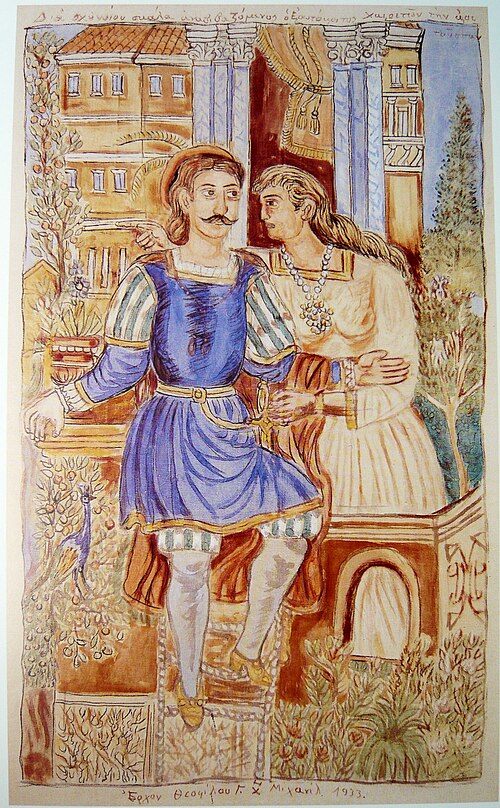
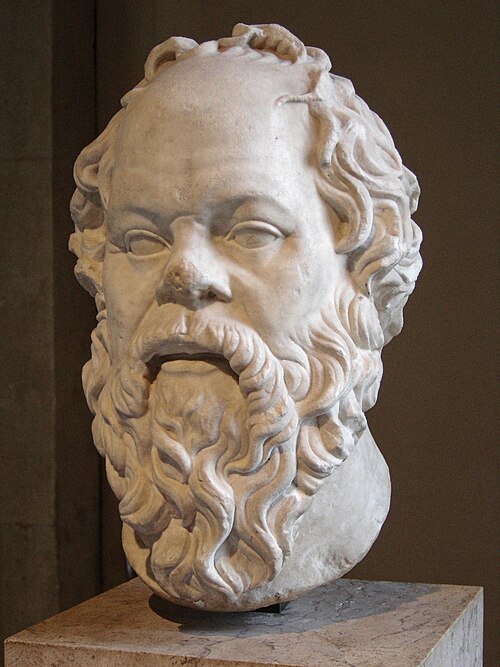
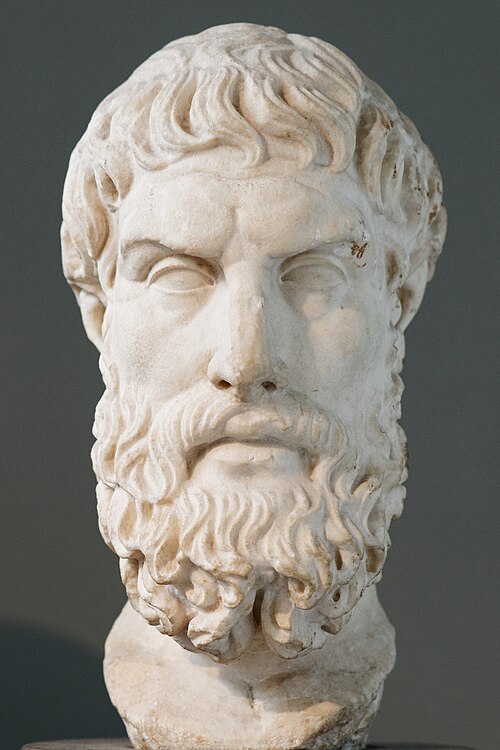
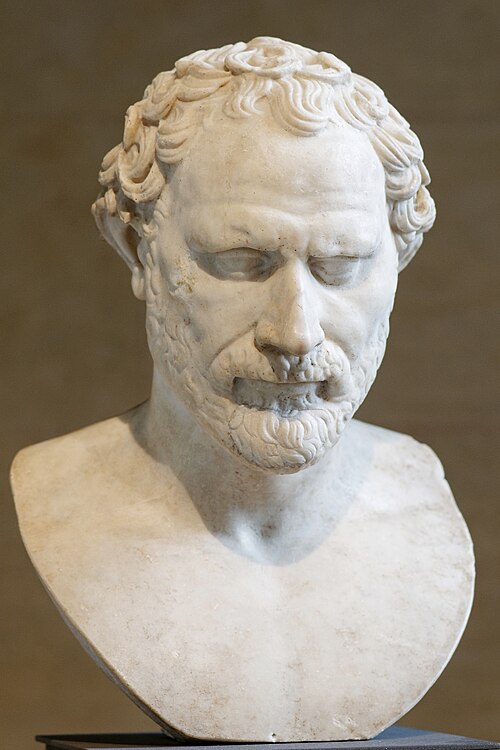
From the works

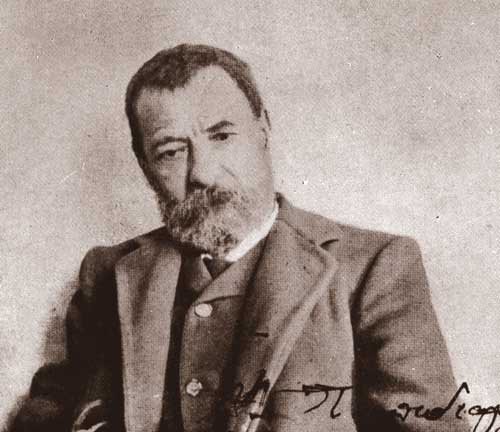
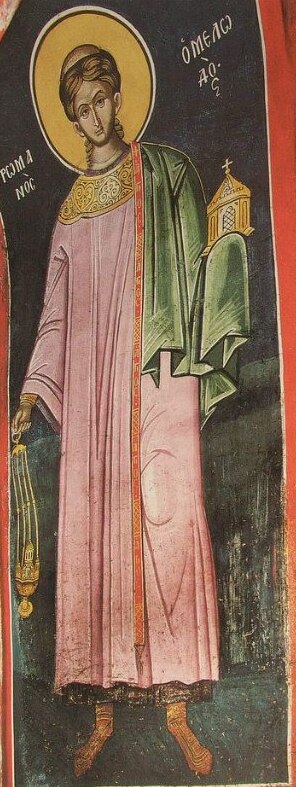
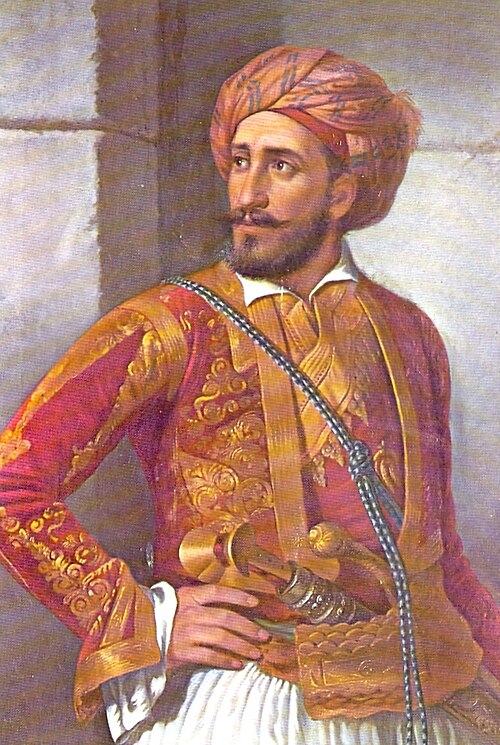
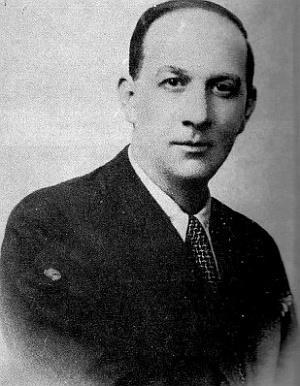
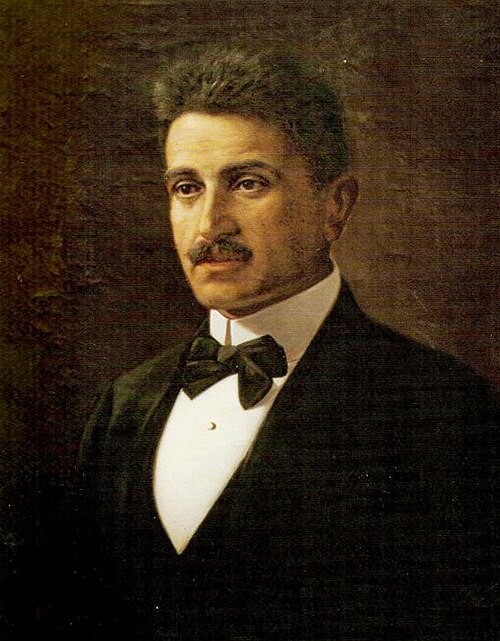
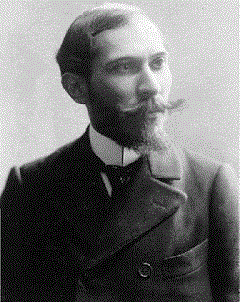
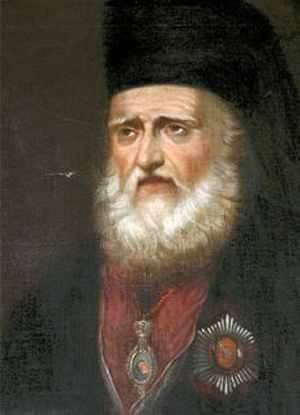
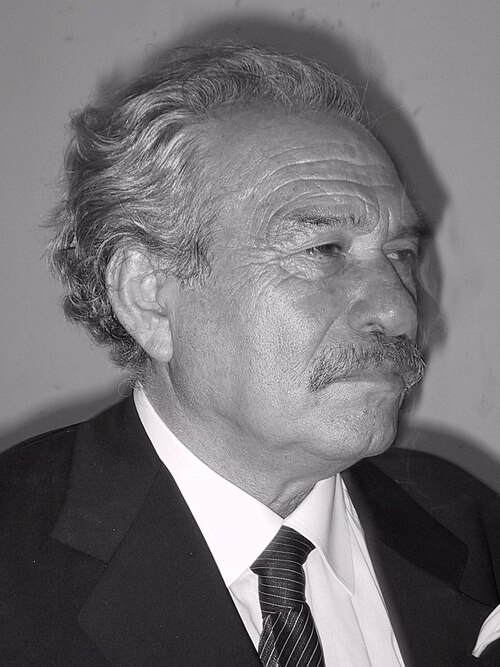
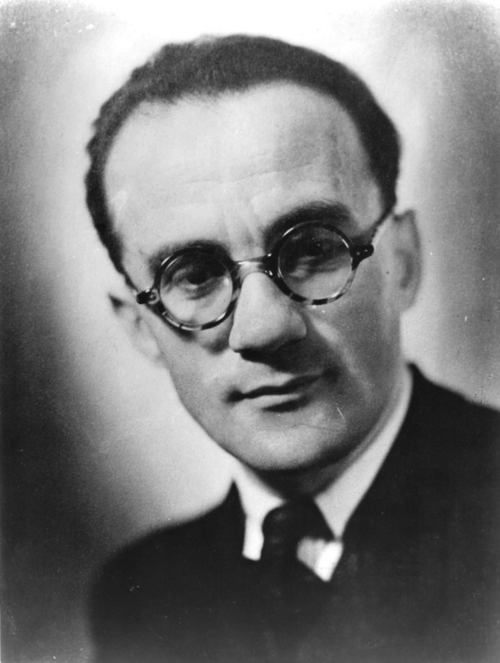
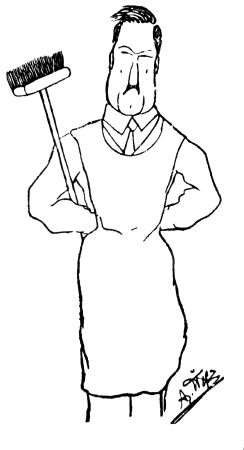
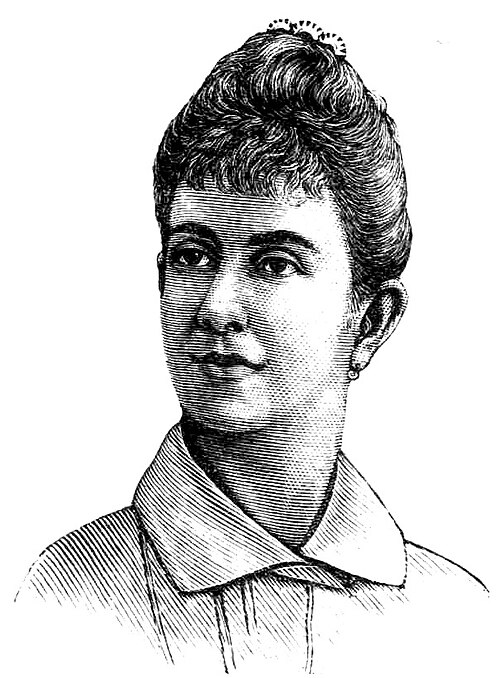
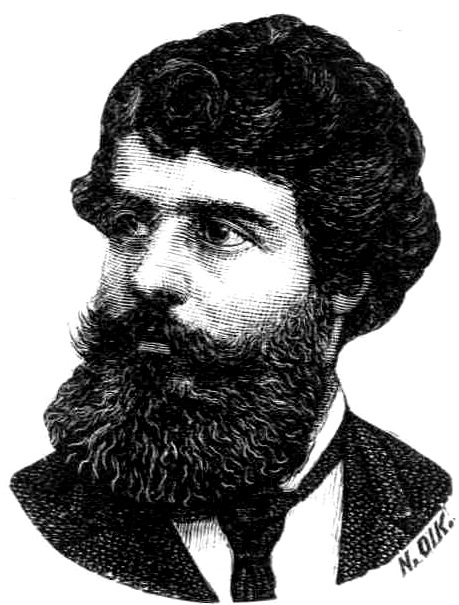
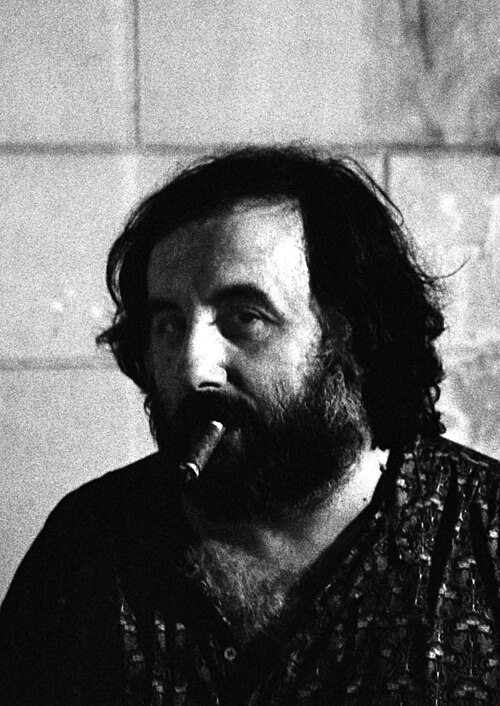
Public-domain pictures from Wikimedia Commons.
A line to remember
Ο γέρος του Μωριά
O geros tou Moria
The Old Man of the Morea