Life
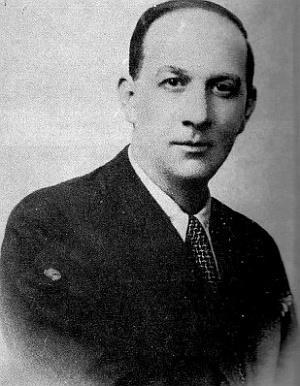
Terzakis was born in Nafplio on 16 February 1907, in the old capital of Greece, with its Venetian fortresses and its memories of 1821, and the town's layered history stayed with him. His family moved to Athens in 1915; he finished school there, studied law at the University of Athens, and began publishing very young: his first collection of stories, Ο ξεχασμένος (The Forgotten One), appeared in 1925, when he was eighteen.
In the 1930s he became one of the leading prose writers of the Generation of the '30s, alongside Kosmas Politis, Giorgos Theotokas and Stratis Myrivilis, the writers who wanted to bring the modern European novel, with its psychology and its cities, into Greek. He also wrote for the stage, and from 1937 to 1975 he served the National Theatre in a series of posts: secretary, director of repertory, artistic director and general director, choosing plays and shaping the taste of Greek audiences for decades. From 1950 he also taught theatre history at its drama school.
He fought in the Greco-Italian war of 1940–41, which marked him deeply, and in 1964 he wrote a large history of that campaign. A prolific journalist and essayist, he wrote for decades in the Athenian press on literature, history and the meaning of Greek identity. The Academy of Athens gave him its Award for Letters in 1969, and he was elected a member of the Academy of Athens in 1974. He died in Athens on 3 August 1979.
Works

Terzakis's novels of contemporary life are portraits of a generation without certainties. Δεσμώτες (Prisoners, 1932) and Η παρακμή των σκληρών (The Decline of the Tough Ones, 1933) follow young middle-class Athenians trapped in boredom and family decline. Η μενεξεδένια πολιτεία (The Violet City, 1937), whose title borrows the ancient image of «violet-crowned» Athens, is a portrait of the city between the wars, with the gloomy atmosphere and the trapped, hard-up heroes typical of his urban novels. Δίχως θεό (Without God, 1951) is his most ambitious novel, a search for meaning in a world without certainties.
His greatest popular success, though, is historical. Πριγκηπέσσα Ιζαμπώ (Princess Isabeau, 1945) is set in the thirteenth-century Peloponnese, the Morea of the Frankish princes after the Fourth Crusade, where Greeks and Western knights fight, marry and betray each other. The story centres on the rising of Greeks and Slavs in 1293 that took the Frankish castle of Kalamata, and on the love between Isabeau, daughter of Prince William II of Villehardouin, and the rebel leader Nikiforos Sgouros; through it Terzakis asks what it means to be Greek between East and West, and the book, published in 1945, just after the Occupation, was read as a meditation on national identity in a time of defeat.
His plays, many of them historical dramas, include Αυτοκράτωρ Μιχαήλ (Emperor Michael, 1936), and in later years he wrote the large historical work Ελληνική εποποιία 1940–1941 (The Greek Epic 1940–1941). His style is dense, musical and reflective, rich in long sentences and moral questions.
Legacy in Greece today
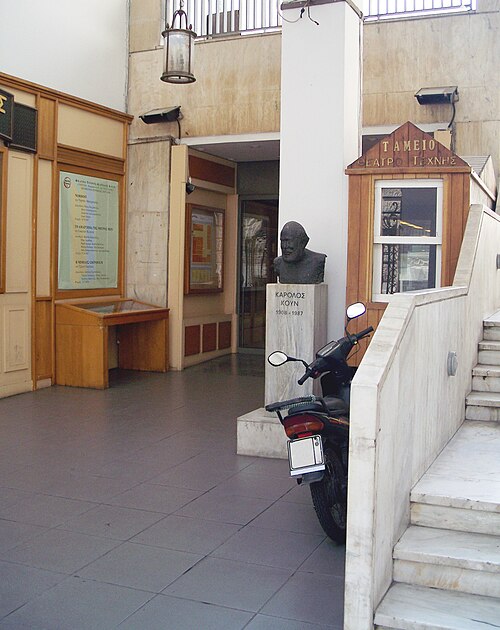
Begin with Πριγκηπέσσα Ιζαμπώ: it is constantly reprinted and is the book older Greeks remember reading as teenagers. It also makes a fine companion for a trip to the Frankish castles of the Peloponnese, Chlemoutsi, Mystras or Karytaina. Readers who prefer the modern city can try Η μενεξεδένια πολιτεία, a portrait of interwar Athens, which Greek state television adapted as a series in 1975. In Nafplio a bronze bust of him stands near the church of Agios Spyridon, and the street of his family house bears his name. Pages of his prose appear in Greek school anthologies of modern literature, and literary histories place him at the heart of the Generation of the '30s. The National Theatre, which he served for nearly forty years, remembers him as one of the architects of its repertory.
Did you know?
- He published his first book of stories at eighteen, in 1925.
- He served the National Theatre from 1937 to 1975, from secretary to general director.
- His only film as director, Νυχτερινή περιπέτεια (Night Adventure), came out in 1954.
- He was elected to the Academy of Athens in 1974.
Key works
| Greek title | Title | Year |
|---|---|---|
| Ο ξεχασμένος | The Forgotten One (stories) | 1925 |
| Αυτοκράτωρ Μιχαήλ | Emperor Michael (play) | 1936 |
| Η μενεξεδένια πολιτεία | The Violet City | 1937 |
| Πριγκηπέσσα Ιζαμπώ | Princess Isabeau | 1945 |
| Δίχως θεό | Without God | 1951 |
| Ελληνική εποποιία 1940–1941 | The Greek Epic 1940–1941 | 1964 |
From the works

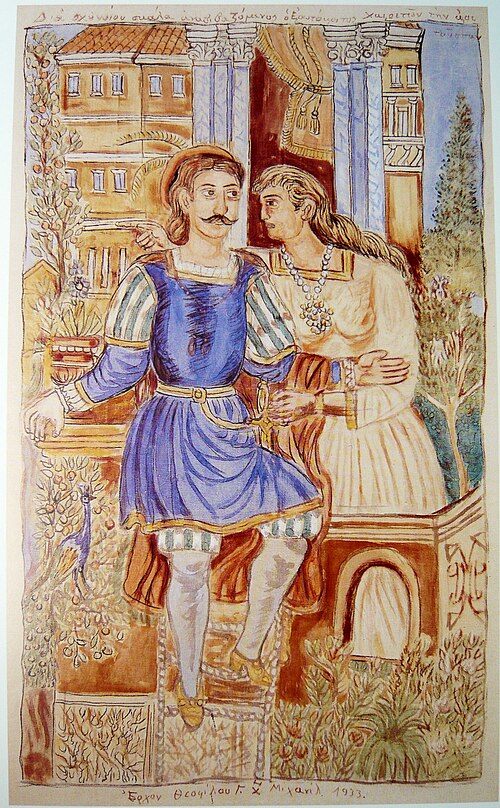
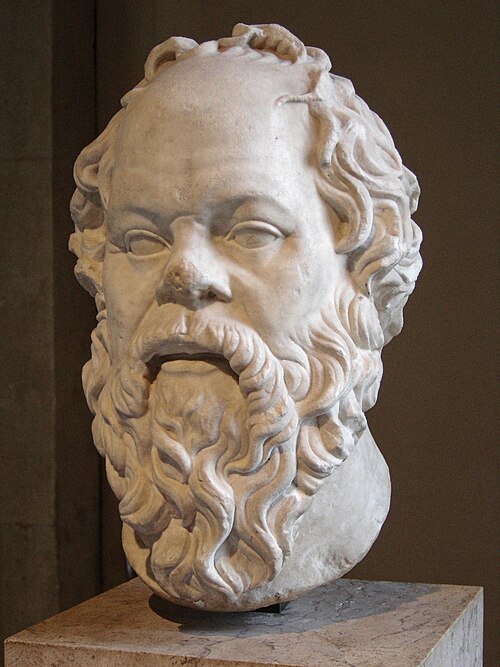
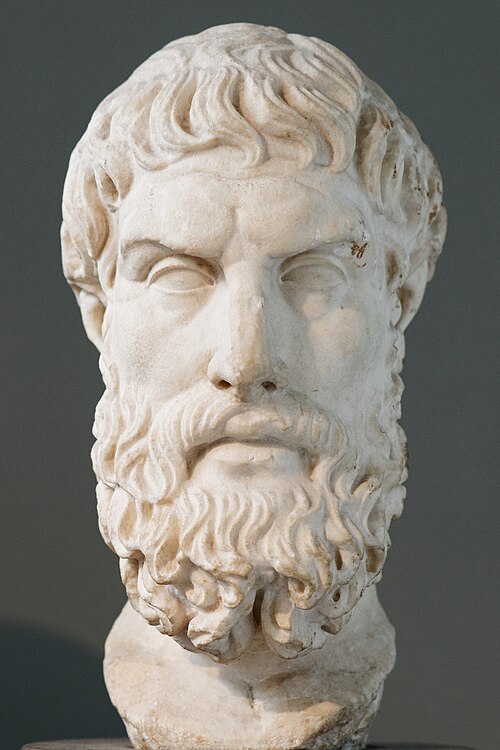
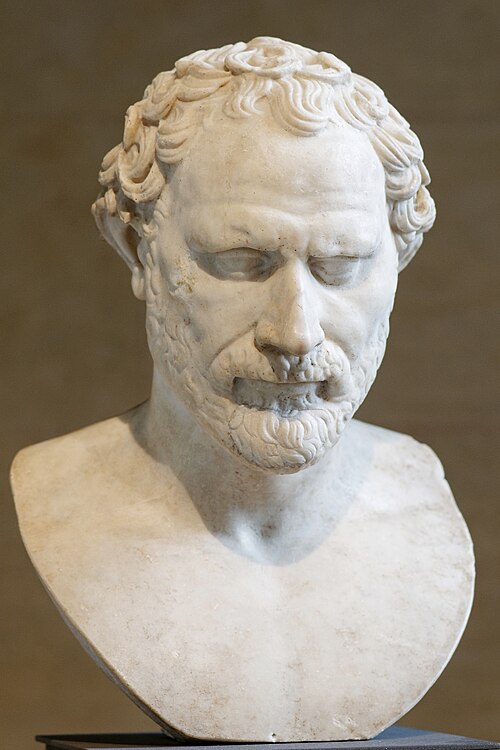
Public-domain pictures from Wikimedia Commons.
A line to remember
Η μενεξεδένια πολιτεία
I menexedeni politeia
The Violet City