Life
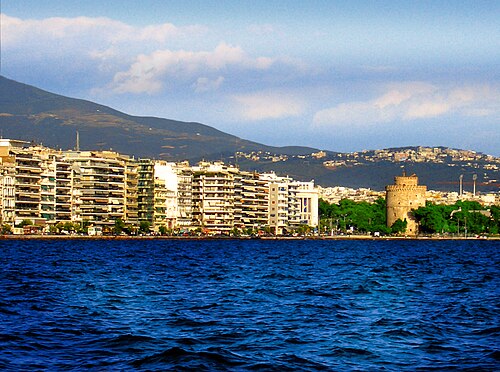
Foteini Velesiotou (also spelled Fotini Velesiotou) was born in Karditsa, in Thessaly, in 1958, one of four children. Her father sang in church choirs and loved Byzantine and classical music, so her first musical education came from chant recordings played at home and from singing in a local choir. At eighteen she moved to Thessaloniki to study at the Pedagogical Academy, the college that trained primary teachers. There she discovered rebetiko and laïko, the urban popular songs of twentieth-century Greece, and taught herself a few guitar chords to accompany her voice.
For more than twenty years she led two parallel lives. On weekdays she taught young children in primary schools around Thessaloniki; at weekends, from 1983, she sang rebetika in tavernas with a small ensemble, known mostly to friends and regulars. In a 2015 interview she said she had spent 24 years in education before retiring in 2004. That same year she made her first recording, singing on Γυναίκες (Women), an album of songs by Michalis Nikoloudis and Magda Papadaki.
The turning point was Μέλισσες (Bees), a song by the composer Giorgos Kazantzis with lyrics by Eleni Fotaki, first released in 2008. It spread through radio and word of mouth, and she later described how this unexpected success turned her quiet life upside down. In 2011 she moved to Athens, where she has since performed in theatres, music halls and festivals, sharing stages with singers such as Giorgos Dalaras and Eleonora Zouganeli.
Works

Velesiotou is above all an interpreter: she does not write her songs but gives other people's music a direct, conversational delivery rooted in the tavern repertoire she sang for decades. Μέλισσες first appeared on Ίσαλος γραμμή (Waterline), a 2008 album of Kazantzis's songs with several singers. Its success led to a whole album with the composer, Τα παιδιά της άλλης όχθης (The Children of the Other Shore), presented in Thessaloniki in November 2011; some biographies date it to 2009. It brings together lyrics by Manos Eleftheriou, Thomas Korovinis, Manolis Rasoulis and others, moving between ballads and dance rhythms such as zeibekiko and hasapiko, and includes Μέλισσες as an added track.
In April 2015 she released Είδα του τρελού τα κλάματα (I Saw the Madman's Tears), eight songs with music by Minos Matsas and lyrics by Eleni Fotaki, conceived as a single song cycle. Her sold-out concert at Technopolis in Athens in September 2015 became the double live album Τα διαλεγμένα (The Chosen Ones), released the following year. In February 2019 Minos EMI issued Ένας κύκλος είναι όλα (A Circle Is Everything), with new songs by several composers and lyricists. On stage she still mixes these recordings with rebetika and older laïka, and she has toured abroad; her label's biography mentions a 2014 programme of Vasilis Tsitsanis songs in Reykjavik.
Legacy in Greece today
Her late start is a recurring theme of Greek interviews with her, a reminder that a musical career can begin in earnest after another profession. Μέλισσες became a staple of radio programmes devoted to Greek song, and she continues to tour with rebetika, laïka and her own repertoire. For learners, her Greek interviews are the best material: she speaks plainly about change. Read her 2018 line Όπως ζούσα πριν, ζω και τώρα (As I lived before, I live now too) and notice how the imperfect ζούσα contrasts with the present ζω. Then write three sentences about your own working life with παλιά… αργότερα… τώρα… (in the past… later… now…), and listen to Μέλισσες, whose title is the plural of η μέλισσα (the bee).
Did you know?
- Her first musical school was Byzantine chant: her father sang in church choirs and played chant recordings at home.
- In Thessaloniki she also played basketball for local teams.
- Μέλισσες first came out on a multi-singer album of Giorgos Kazantzis's songs, not on an album of her own.
- She made her first record in 2004, the year she retired from teaching.
Key works
| Greek title | Title | Year |
|---|---|---|
| Γυναίκες | Women — songs by Michalis Nikoloudis and Magda Papadaki | 2004 |
| Μέλισσες | Bees — song on Ίσαλος γραμμή (Waterline) | 2008 |
| Τα παιδιά της άλλης όχθης | The Children of the Other Shore — with Giorgos Kazantzis | 2011 |
| Είδα του τρελού τα κλάματα | I Saw the Madman's Tears — music by Minos Matsas | 2015 |
| Τα διαλεγμένα | The Chosen Ones — live at Technopolis, 2015 | 2016 |
| Ένας κύκλος είναι όλα | A Circle Is Everything | 2019 |
A line to remember
Όπως ζούσα πριν, ζω και τώρα.
Ópos zoúsa prin, zo ke tóra.
As I lived before, I live now too.