Life
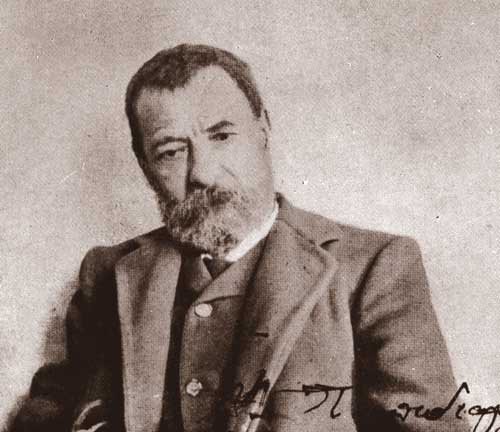
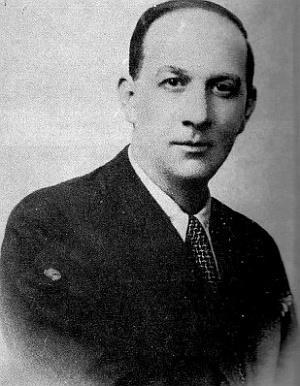
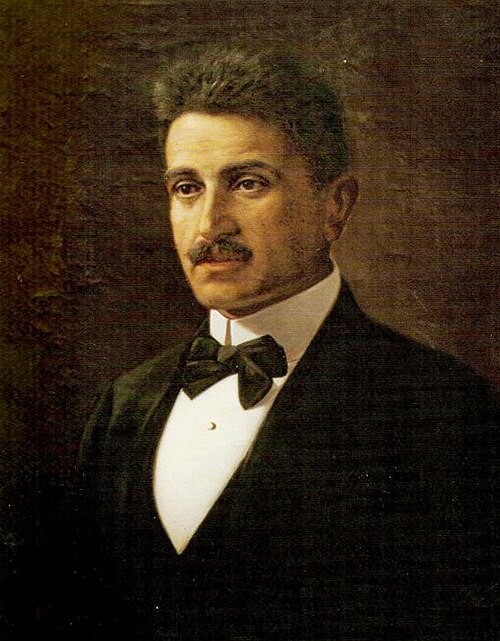
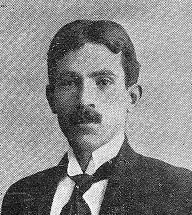
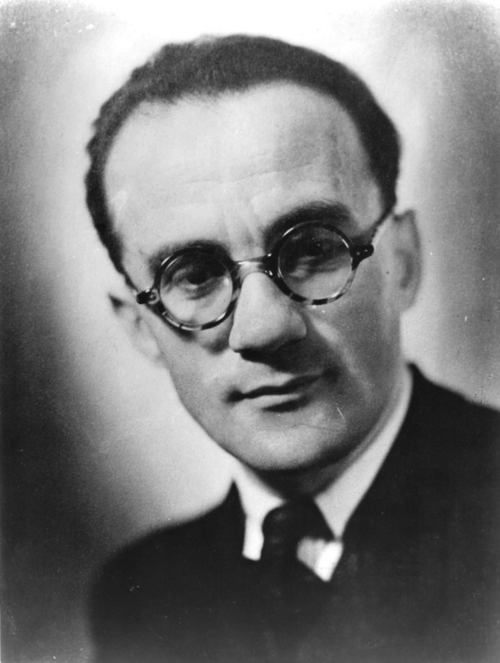
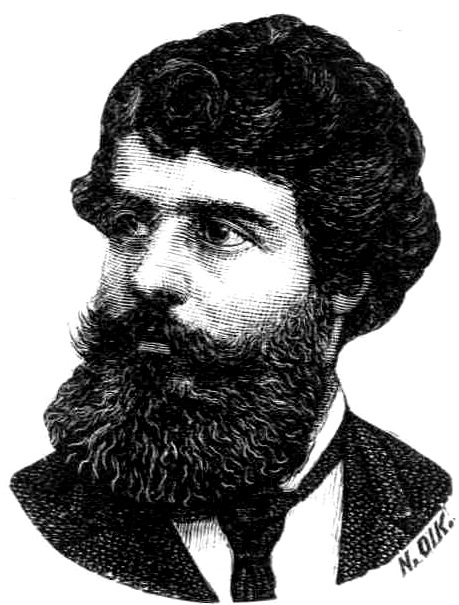
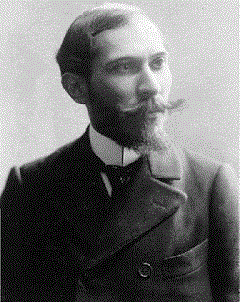
Chatzopoulos was born in 1868 in Agrinio, in Aitoloakarnania, in western Greece. His father was a merchant of modest means, but he was brought up by his mother's parents, a rich landowning family of Agrinio, and the lakes, plains and old towers of that region return again and again in his books. He went to school in Missolonghi, where the young Kostis Palamas noticed him, and studied law in Athens. He practised as a lawyer in Agrinio for only two years: an inheritance of land freed him to live for literature, and he settled in Athens. A champion of the spoken language, he edited from 1898 to 1899 the review Τέχνη (Art), short-lived but important, which introduced Greek readers to contemporary European writing.
In 1900 he left for Germany, studying in Munich, Dresden and Leipzig, and married a Finnish student, Sanny Häggman. After some years back in Athens he lived in Munich and Berlin from 1905 to 1914. There he became a convinced socialist (1907) and argued that the language question and the social question were the same struggle, since the katharevousa kept power in the hands of a learned few. He made the first Greek translation of the Communist Manifesto, published in 1908 in a newspaper of Volos, and translated Goethe, Ibsen and Hofmannsthal into demotic Greek. He often signed his work with the pen name Petros Vasilikos.
He returned to Athens when the First World War broke out in 1914. In 1920, sailing to Italy on the steamer Montenegro, he died on board from food poisoning, at the age of fifty-two, and was buried at Brindisi; his daughter later brought his remains to the First Cemetery of Athens.
Works

As a poet Chatzopoulos began with Τραγούδια της ερημιάς (Songs of Solitude) and Τα ελεγεία και τα ειδύλλια (Elegies and Idylls), both of 1898. Under the influence of the French Symbolists he wanted poetry to be music before it was statement: his lines are soft, repetitive and hazy, full of twilight, mist, lakes and nostalgia, and he was one of the first Greek poets to experiment with freer rhythms. His late collections Απλοί τρόποι (Simple Tunes) and Βραδινοί θρύλοι (Evening Legends) appeared in 1920.
His prose follows two paths. One is social: in Αγάπη στο χωριό (Love in the Village, 1910) and above all Ο πύργος του Ακροποτάμου (The Tower of Akropotamos, 1915), the decline of a family of rural landowners in their fortified house shows an old world giving way to new social forces, and his socialist convictions shape the story without turning it into a pamphlet. In Ο υπεράνθρωπος (The Superman, 1915) he takes up the fashion of the time for Nietzsche's ideas.
The other path is lyrical. Φθινόπωρο (Autumn, 1917) has almost no plot: a few people in a provincial town, an autumn, a love that never quite happens. What matters is atmosphere, the colour of the light, the sound of the rain, the slow passing of time, rendered in a demotic prose of great musical delicacy. It is the book in which Greek prose first sounds truly symbolist.
Legacy in Greece today
Chatzopoulos is a writer's writer more than a popular name, but his place in Greek literary history is secure: histories of modern Greek literature present him as the main representative of Symbolism in Greek prose and as a pioneer of the socially engaged novel. Φθινόπωρο and Ο πύργος του Ακροποτάμου are regularly republished and studied at university, and in his home town, Agrinio, a central square bears his name and his statue. For a learner at C1, the opening pages of Φθινόπωρο are a beautiful exercise in reading slowly: notice how much is said through weather and light, and how simple the demotic Greek he fought for can be.
Did you know?
- He sometimes wrote under the pen name Petros Vasilikos.
- He made the first Greek translation of the Communist Manifesto, published in 1908 in a workers' newspaper of Volos.
- He died at sea in 1920, on a ship bound for Italy, and was first buried at Brindisi.
- His review Τέχνη (1898–1899) lasted only a year but helped bring European modernism to Athens.
Key works
| Greek title | Title | Year |
|---|---|---|
| Τραγούδια της ερημιάς | Songs of Solitude | 1898 |
| Τα ελεγεία και τα ειδύλλια | Elegies and Idylls | 1898 |
| Αγάπη στο χωριό | Love in the Village | 1910 |
| Ο πύργος του Ακροποτάμου | The Tower of Akropotamos | 1915 |
| Φθινόπωρο | Autumn | 1917 |
| Βραδινοί θρύλοι | Evening Legends | 1920 |
From the works
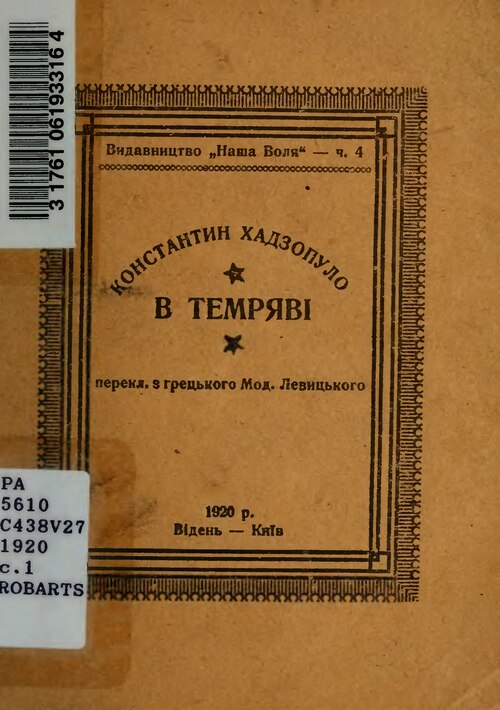
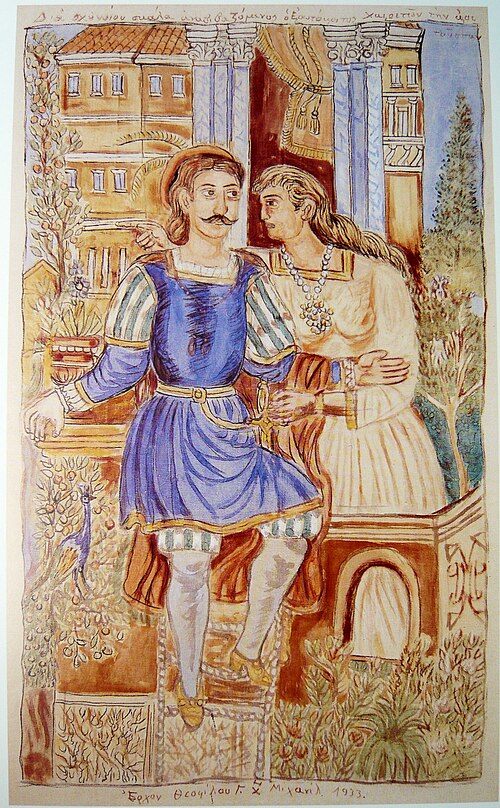
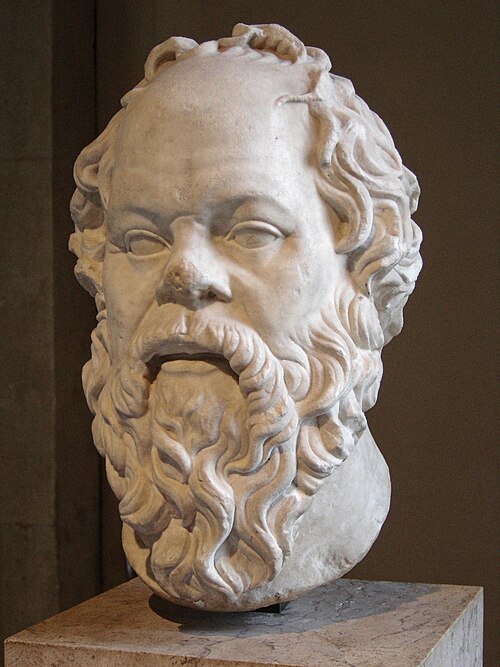
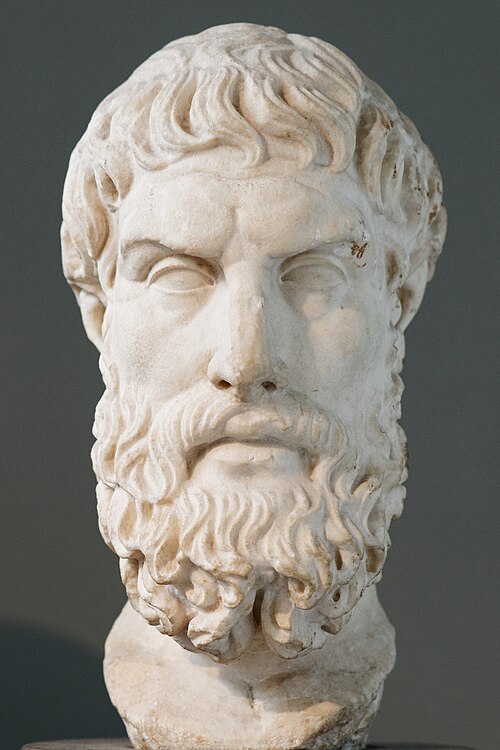
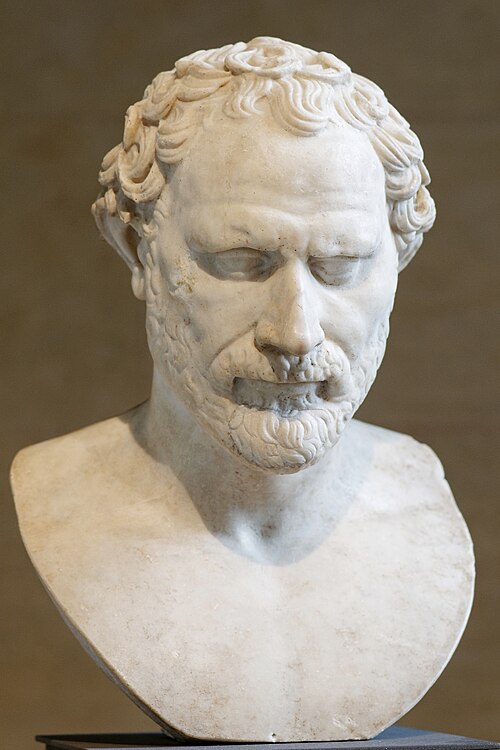
Public-domain pictures from Wikimedia Commons.
A line to remember
Σιγά η πηγή στη λαγκαδιά κυλά μες στα χαλίκια, / σιγά κι αργά τα ισκιώματα γλιστρούν του δειλινού
Siga i pigi sti lagkadia kyla mes sta chalikia, / siga ki arga ta iskiomata glistroun tou deilinou
Softly the spring runs through the pebbles in the glen, / softly and slowly the shadows of dusk glide by