Life
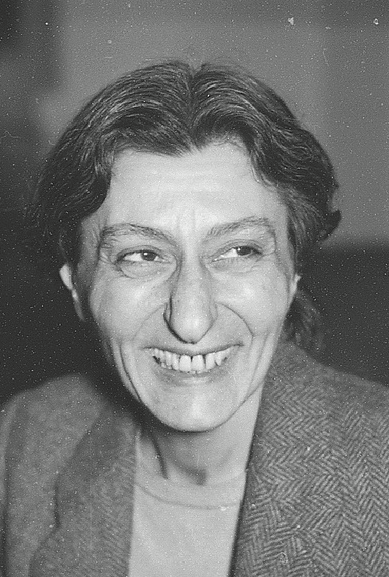
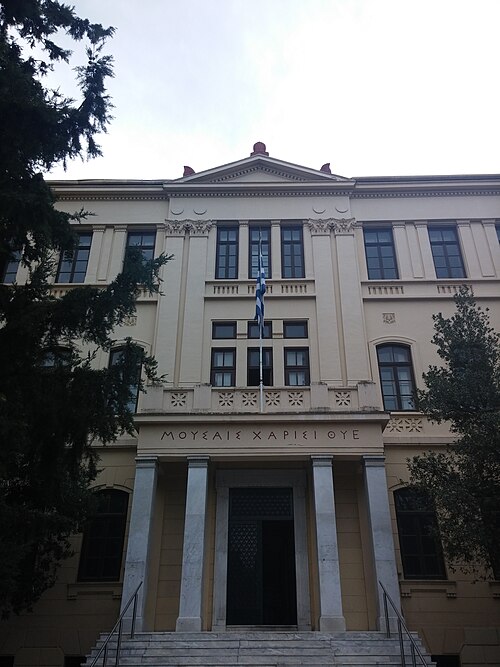
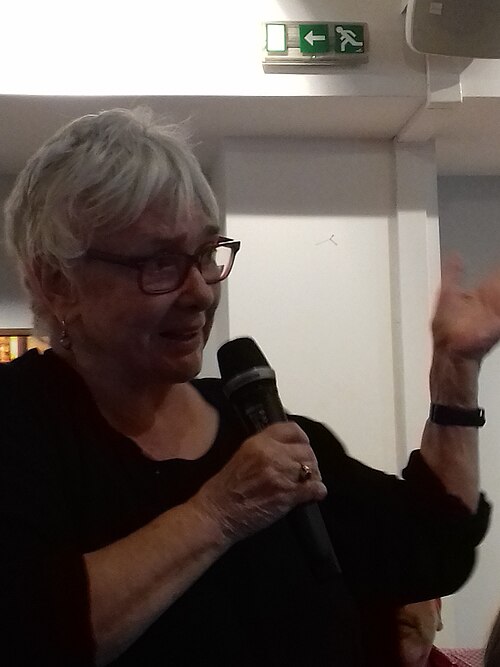
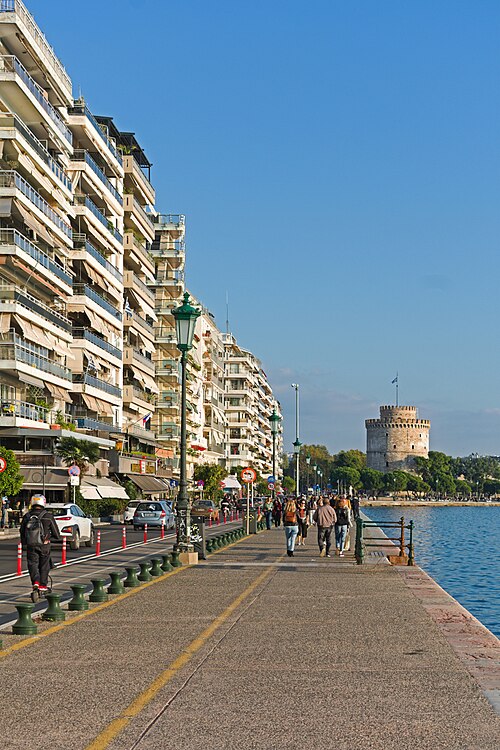
Sofia Nikolaidou was born in Thessaloniki in 1968, and the city has stayed at the centre of her life and of most of her fiction. For many years she taught literature in Greek secondary schools. She has also taught creative writing in postgraduate programmes, including at the University of Western Macedonia and at Aristotle University of Thessaloniki, where she is a member of the teaching staff for creative writing. She has published studies on creative writing and on the use of new technologies in teaching, has written book criticism for newspapers such as Τα Νέα (Ta Nea), and has translated ancient Greek drama into Modern Greek.
Her first book, the short-story collection Ξανθιά πατημένη (Trodden Blonde, 1997), drew attention to its sharp female narrators. Novels followed, among them Ο μωβ μαέστρος (The Purple Maestro, 2006). Her breakthrough came with Απόψε δεν έχουμε φίλους (Tonight We Have No Friends, 2010), which received the Athens Prize for Literature. Her books have since appeared in several languages, including English, Hebrew and Romanian.
In autumn 2014 she was diagnosed with breast cancer. She kept a diary through the months of treatment and published it as Καλά και σήμερα (So Far So Good, 2015). The book received a Greek State Prize for Literature for promoting dialogue on sensitive social issues.
Works
Nikolaidou's central project is a trilogy of novels that critics describe as a fictional history of Greek education and its politics. Απόψε δεν έχουμε φίλους (2010) moves from the German occupation to December 2008 and looks at how some Thessaloniki academics collaborated with the occupiers, and how a university forgets. Χορεύουν οι ελέφαντες (The Elephants Are Dancing, 2012) starts in a present-day school during the financial crisis. Minas Georgiou, a bright but bored final-year pupil, refuses to sit the university entrance exams. His teacher, Marinos Soukiouroglou, gives him a different task: to research the 1948 murder of an American journalist, called Jack Talas in the novel and modelled on George Polk of CBS. A local journalist, Manolis Gris, was tortured into confessing. Minas's research does not solve the case, but it leads him back to his studies.
The novel is told by many voices, many of them women, and moves between 1948 and the present, so that history appears as a set of competing versions rather than one story. It was shortlisted for a Greek State Prize. The third novel, Στο τέλος νικάω εγώ (In the End I Win, 2017), runs from the age of Charilaos Trikoupis and the First World War to the 2015 referendum and young people leaving Greece. In Το χρυσό βραχιόλι (The Golden Bracelet, 2020) she turned to non-fiction, building on interviews with people who were the first in their families to go to university.
Legacy in Greece today
In Greece, Nikolaidou is read as a novelist who brings the classroom into literature, and her 2024 novel, listed in English as Our Own Children, received the prose prize of the Ouranis Foundation of the Academy of Athens. Karen Emmerich's translation The Scapegoat (Melville House, 2015) was her first book published in the United States. Try a short C2 task with the Greek title Χορεύουν οι ελέφαντες. First make it singular: ο ελέφαντας χορεύει (the elephant dances); subject and verb change together. Then write one sentence about the plot with a plural subject, for example Οι μαρτυρίες συγκρούονται (The testimonies clash). Finally compare the Greek title with The Scapegoat and the Greek idiom ο αποδιοπομπαίος τράγος: which title tells a reader more before the first page? These are our own practice sentences, not quotations from the novel.
Did you know?
- The Greek title means The Elephants Are Dancing; the English edition was renamed The Scapegoat, after the man wrongly blamed.
- In the novel the real people behind the 1948 case get new names: George Polk becomes Jack Talas, and the convicted journalist becomes Manolis Gris.
- Απόψε δεν έχουμε φίλους has been translated into Hebrew (2016) and Romanian (2020).
- She has said that, as a writer, words are her way of understanding what happens around her and inside her.
Key works
| Greek title | Title | Year |
|---|---|---|
| Ξανθιά πατημένη | Trodden Blonde — short stories | 1997 |
| Απόψε δεν έχουμε φίλους | Tonight We Have No Friends — novel, Athens Prize for Literature | 2010 |
| Χορεύουν οι ελέφαντες | The Elephants Are Dancing — novel, in English The Scapegoat | 2012 |
| Καλά και σήμερα | So Far So Good — diary of an illness | 2015 |
| Στο τέλος νικάω εγώ | In the End I Win — novel, end of the trilogy | 2017 |
| Το χρυσό βραχιόλι | The Golden Bracelet — non-fiction based on interviews | 2020 |
A line to remember
Είμαι συγγραφέας, ο τρόπος μου να καταλαβαίνω τι συμβαίνει γύρω μου και μέσα μου είναι οι λέξεις.
Íme singraféas, o trópos mou na katalavéno ti simvéni gíro mou ke mésa mou íne i léxis.
I am a writer; my way of understanding what happens around me and inside me is words.