Life
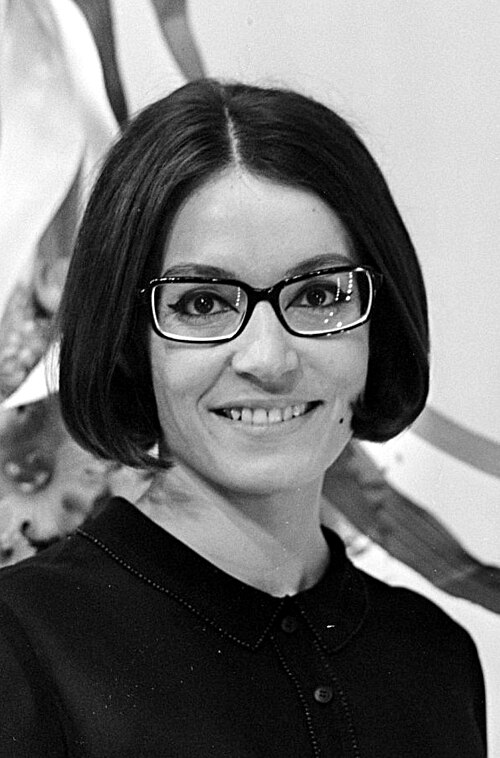
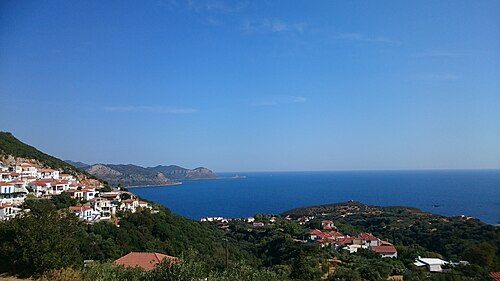
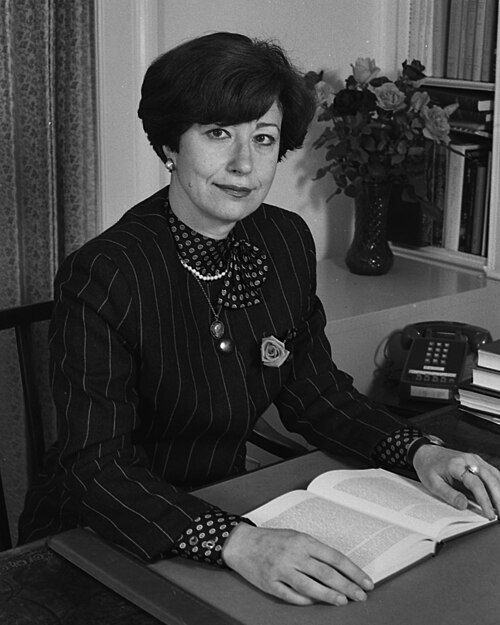
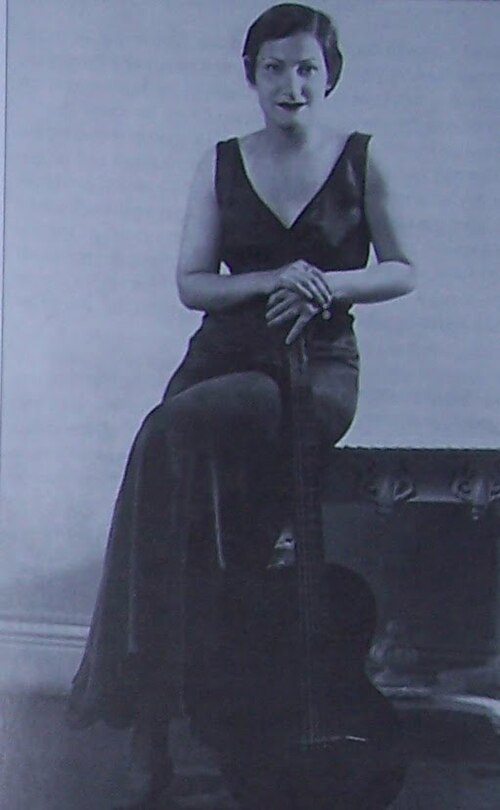
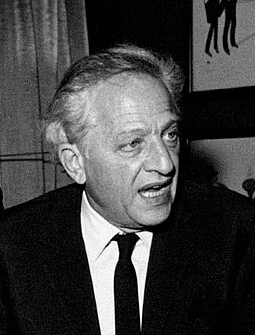
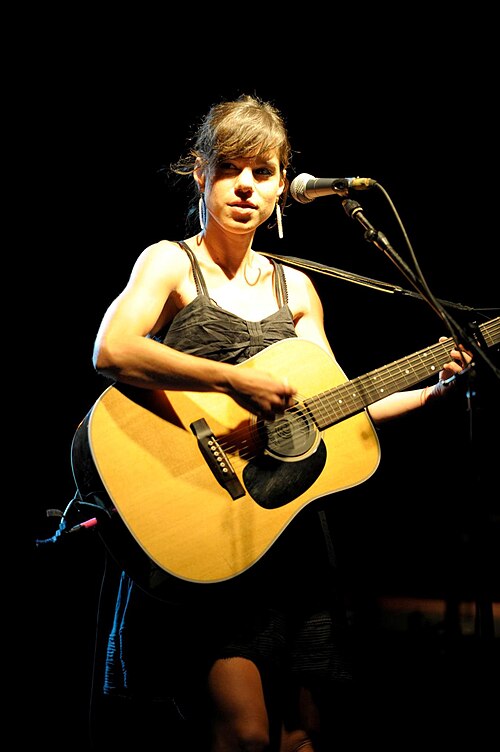
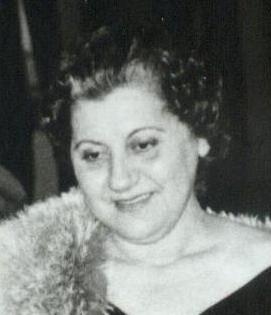
Sofia Vembo was born Sofia Bembou on 10 February 1910 in Kallipoli (Gallipoli), in Eastern Thrace. Her family moved to Constantinople in 1912 and, after the population exchange of the 1920s, settled first in Tsaritsani and then in Volos, where her father worked with tobacco. She taught herself the guitar. In 1933 she travelled by ship to Thessaloniki and sang at the Astoria club; that autumn she made her Athens debut in the revue Παπαγάλος 1933 (Parrot 1933). She later adopted the stage form Vembo as her legal surname.
Records for Columbia followed, and in 1938 she starred in the film Η προσφυγοπούλα (The Refugee Girl). When Italy attacked Greece in October 1940, her patriotic and satirical songs in Athens revues lifted the spirits of soldiers and families. Under the German occupation she was arrested and questioned by the Gestapo. In 1942 she left for Egypt, sang for Greek and Allied troops in the Middle East and returned to Greece in 1946.
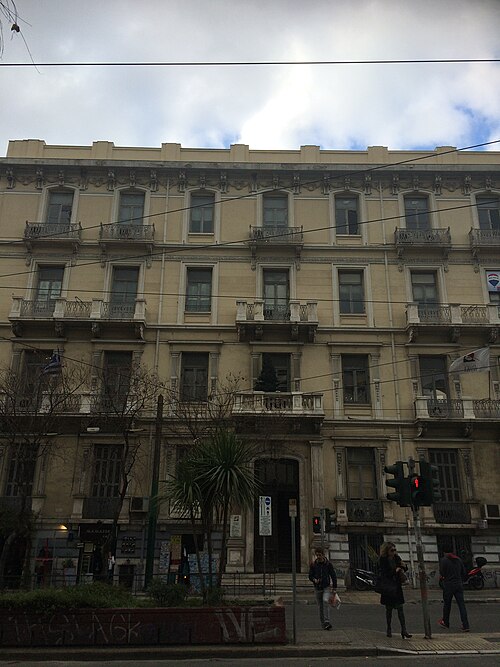
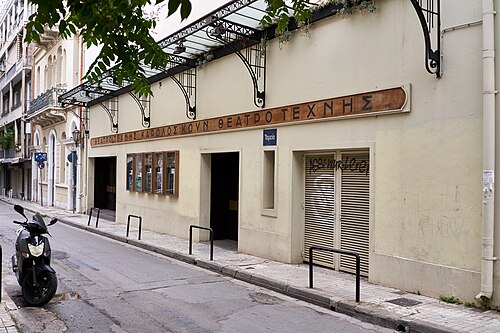
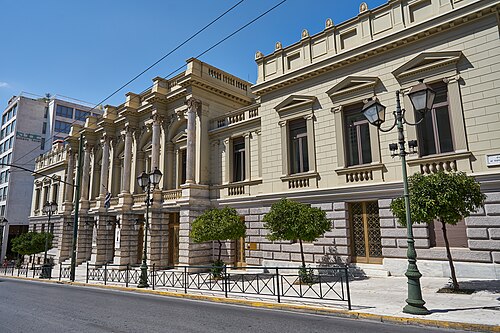
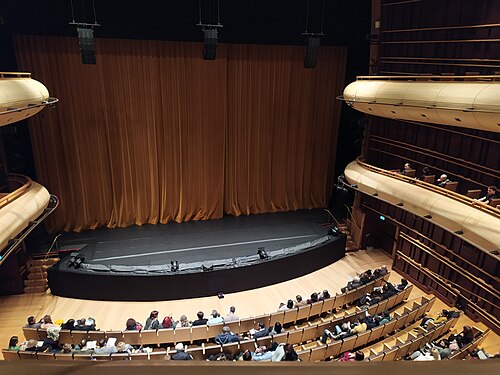
In 1949 she opened her own Θέατρο Βέμπο (Vembo Theatre) in the Metaxourgeio district of Athens. In 1957 she married the lyricist and revue writer Mimis Traiforos. From the mid-1960s she appeared on stage less often. On the night of the Polytechnic uprising in November 1973 she sheltered students in her apartment near the Polytechnic. She died in Athens on 11 March 1978, and thousands attended her funeral.
Works
Vembo’s voice suited both romantic light songs and the quick, topical numbers of the επιθεώρηση (revue), a theatre form of sketches and songs about current events. Before 1940 she was already a leading recording artist. Ζεχρά (Zehra, 1938), with music by Michalis Sougioul, was one of her love songs. In 1940 Mimis Traiforos wrote new words to that melody, and the result, Παιδιά, της Ελλάδος παιδιά (Children of Greece, Children), became the best-known song of the war. Satirical songs such as Βάζει ο Ντούτσε τη στολή του (The Duce Puts On His Uniform) mocked Mussolini.
On screen she starred in Η προσφυγοπούλα (1938), appeared in Michael Cacoyannis’s Στέλλα (Stella, 1955) and played a double role in Στουρνάρα 288 (Stournara 288, 1959). At her own theatre she staged large revues. An ERT film from February 1967 records one of them at the Vembo Theatre, with the Kalouta sisters and Takis Miliadis. In the first-act finale she leads the whole company in a medley of her hits, including Χειμώνας (Winter) and Αθήνα και πάλι Αθήνα (Athens and Athens Again). The ERT Archive also credits her performances with establishing the αρχοντορεμπέτικο, a polished, urban style of song close to rebetiko.
Legacy in Greece today
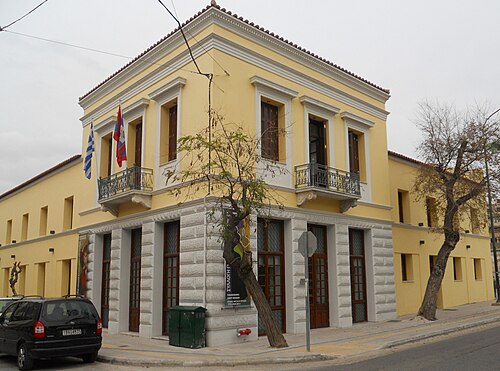
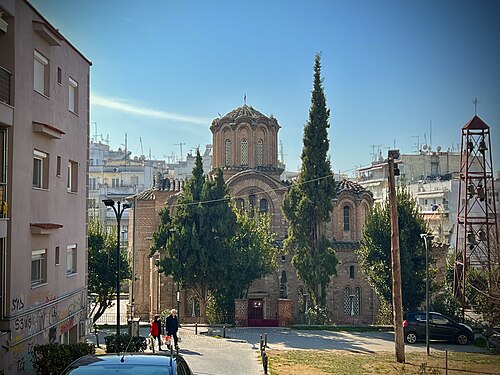
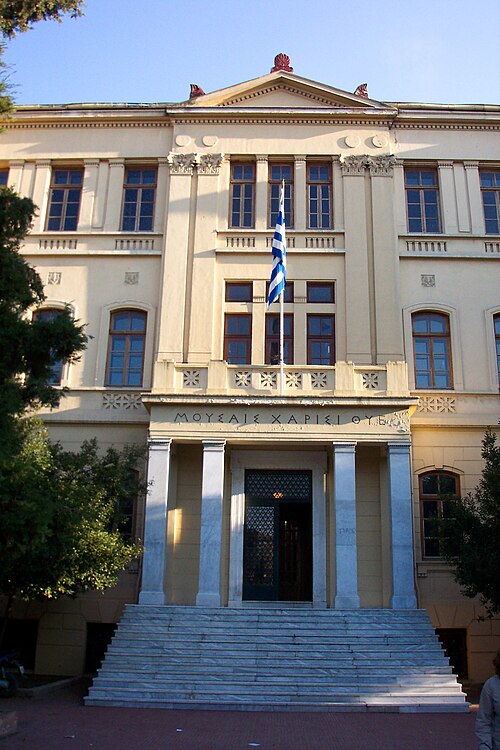
Vembo’s songs return every 28 October, when Greece remembers the war of 1940, and her life still inspires stage shows such as Σοφία Βέμπο – Μια ζωή Ελλάδα (Sofia Vembo – A Life of Greece) in 2024. On 28 October 2025 Thessaloniki honoured her at the building on Nikis Avenue where she first sang. For a first step in Greek, open the ERT Archive page “Σοφία Βέμπο – 11 Μαρτίου 1978” on ert.gr, which presents the 1967 revue clip. Read the list of song titles and find two simple words: χειμώνας (winter) and Αθήνα (Athens). Then say a short sentence of your own: Ακούω το τραγούδι «Χειμώνας» (I am listening to the song Winter). The ERT page and the songs are in Greek; the sentence is our own practice example, not a lyric.
Did you know?
- Her birth surname was Bembou; she later made the stage form Vembo her legal name.
- In 1947, while touring the United States, she published her autobiography in 62 instalments in the New York Greek daily Εθνικός Κήρυξ (National Herald).
- After her death, the composer Vasilis Tsitsanis wrote a tribute for the newspaper Τα Νέα, remembering how her singing moved him as a schoolboy in Trikala.
- The club where she first sang in Thessaloniki stands on Λεωφόρος Νίκης, “Victory Avenue”.
Key works
| Greek title | Title | Year |
|---|---|---|
| Παπαγάλος 1933 | Parrot 1933 — revue, Athens debut | 1933 |
| Η προσφυγοπούλα | The Refugee Girl — film | 1938 |
| Ζεχρά | Zehra — song | 1938 |
| Παιδιά, της Ελλάδος παιδιά | Children of Greece, Children — song | 1940 |
| Στουρνάρα 288 | Stournara 288 — film | 1959 |
| Μίνι μίνι και μποτάκια και το Μάη.. αραπάκια | Mini, Mini and Little Boots — revue, ERT recording | 1967 |
A line to remember
Το θέατρο δεν το είχα βαρεθεί ποτέ μου.
To théatro den to íha varethí poté mou.
I had never grown tired of the theatre.