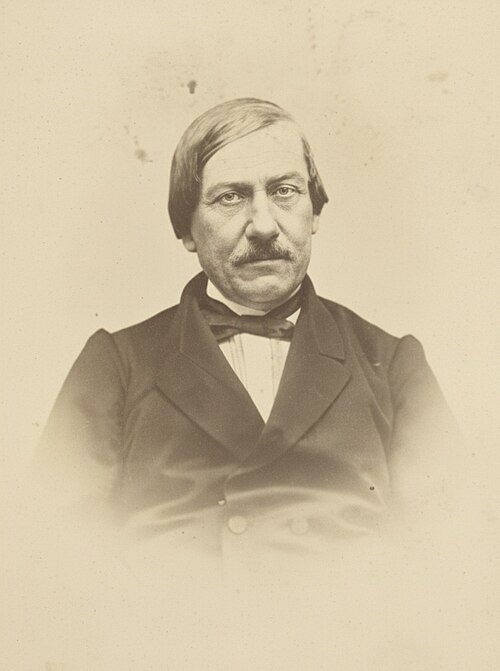
Life
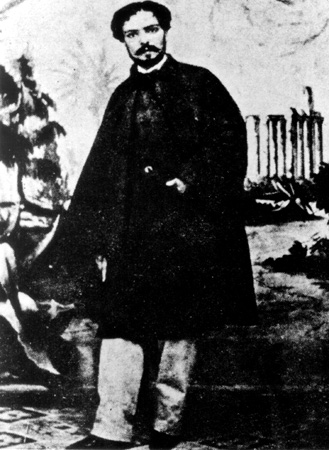
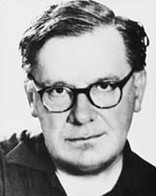
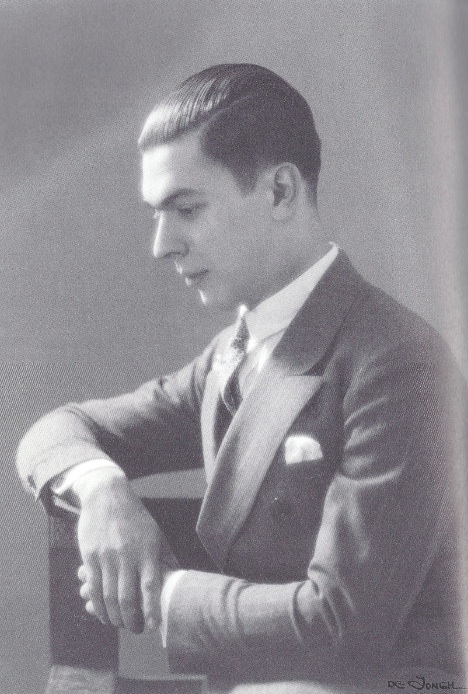
Skarimbas was born on 28 September 1893 (some sources say 1897) in Agia Efthymia, a village in Fokida near the Gulf of Corinth. He went to school in Aigio and finished secondary school in Patras. In 1919 he joined the customs office in Chalkida, on the island of Evia, and he never left that town again: he worked there as a customs official and later as a customs agent, and to the end of his life he liked to present himself, half proudly, half mockingly, as «a retired customs officer».
He started late and with a bang. In 1929 his story Ο Καπετάν Σουρμελής ο Στουραΐτης (Captain Sourmelis the Stouraitis) won a first prize for short fiction, and in the 1930s he published, one after another, stories, novels and poems that baffled the Athenian critics. In Chalkida he was a local legend: a provocative talker, famous for his swearing, his jokes and his contempt for every convention, who quarrelled with editors, academics and the literary establishment. Recognition came only in old age, with the First State Prize for Literature in 1976 for his anti-war novel Φυγή προς τα εμπρός (Flight Forward). He died in Chalkida on 21 January 1984 and was buried at public expense at the castle of Karababa, above the Evripos.
Works

Skarimbas belongs to the generation of the 1930s, but he stands apart from it. While others sought a serious, «Greek» modernism, he laughed. His prose is a constant game with language: puns, invented words, sudden changes of register from solemn katharevousa to the slang of the harbour, sentences that collapse into nonsense and then into sudden sadness. Critics have seen him as closer to the Dadaists than to the Surrealists, whom he liked to parody, and Manolis Anagnostakis called his poetry «φανταιζίστικη» (fanciful).
After the stories of Καϋμοί στο Γριπονήσι (Sorrows on Griponisi, 1930) and the prose of Το θείο τραγί (The Divine Goat, 1933) came his two great novels. Μαριάμπας (1935) and Το σόλο του Φίγκαρω (Figaro's Solo, 1939) are set in a dreamlike Chalkida, among clowns, sailors, lovers and failures, and they mix lyricism, eroticism, satire and tragedy in a way no Greek novel had done. His poems, in Ουλαλούμ (1936), Εαυτούληδες (Little Selves, 1952) and Βοϊδάγγελοι, return to the same motifs: escape from reality, the ship, the circus. Late in life he wrote Το Βατερλώ δύο γελοίων (The Waterloo of Two Clowns, 1959), the prize-winning Φυγή προς τα εμπρός (1976), and plays for the shadow theatre and the stage, among them Αντι-Καραγκιόζης ο Μέγας (Anti-Karagiozis the Great, 1977) and Η κυρία του τραίνου (The Lady of the Train, 1980).
Legacy in Greece today
Chalkida has adopted him as its genius loci. The association «Friends of G. Skarimbas» was founded there in the year of his death, his tomb is at the Karababa castle overlooking the Evripos, and exhibitions, readings and Karagiozis performances keep his memory lively. In his native Agia Efthymia his birthplace was listed as a protected monument in 1998, and the annual «Σκαρίμπεια» are held in his honour. Younger Greek writers often name him as a model of freedom and humour. To understand him, stand on the old bridge of Chalkida and watch the Evripos change direction, then read a chapter of Το σόλο του Φίγκαρω aloud.
Did you know?
- He worked in the customs service of Chalkida from 1919 and called himself «a retired customs officer» long after he was famous.
- He received the First State Prize for Literature only in 1976, at over eighty.
- He is buried at the Karababa castle above the Evripos, at public expense.
- He liked to parody the Surrealists by imitating them.
Key works
| Greek title | Title | Year |
|---|---|---|
| Καϋμοί στο Γριπονήσι | Sorrows on Griponisi (stories) | 1930 |
| Μαριάμπας | Mariambas (novel) | 1935 |
| Ουλαλούμ | Oulaloum (poems) | 1936 |
| Το σόλο του Φίγκαρω | Figaro's Solo (novel) | 1939 |
| Φυγή προς τα εμπρός | Flight Forward (novel) | 1976 |
| Αντι-Καραγκιόζης ο Μέγας | Anti-Karagiozis the Great (play) | 1977 |
From the works

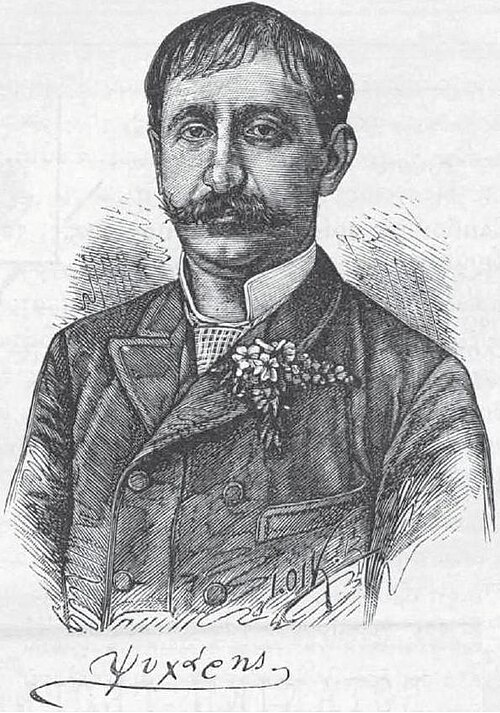
Public-domain pictures from Wikimedia Commons.
A line to remember
Νάναι σα να μας σπρώχνει ένας αέρας μαζί / προς έναν δρόμο φιδωτό που σβει στα χάη
Nanai sa na mas sproxnei enas aeras mazi / pros enan dromo fidoto pou svei sta chai
As if a wind were pushing us together / towards a winding road that fades into the void