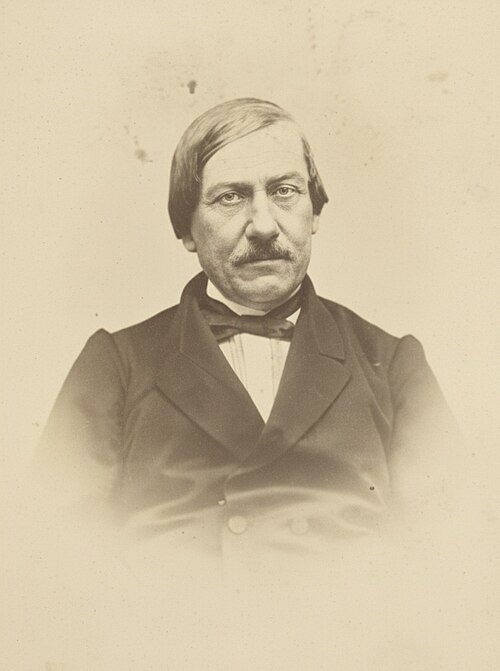
Life
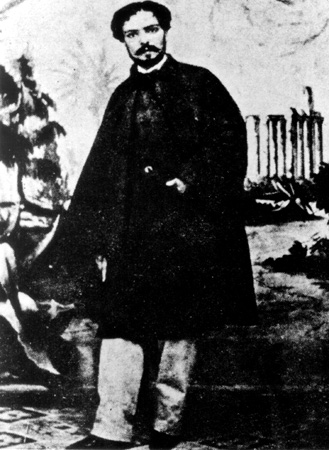
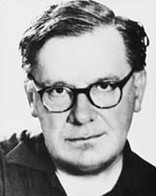
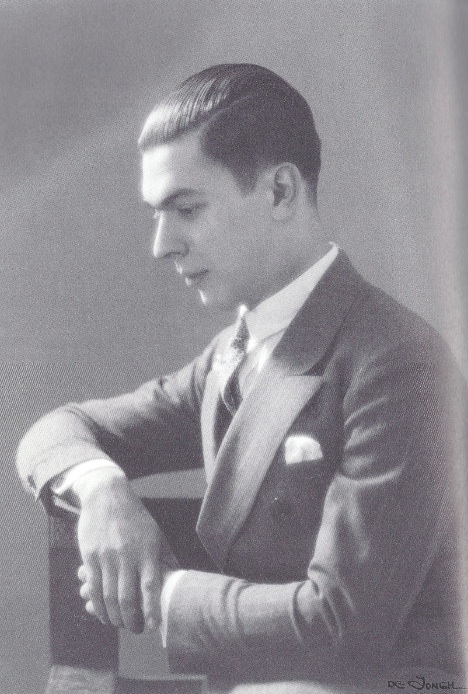
He was born Yannis Hadjiandreas in Cairo on 23 July 1911, into the large and prosperous Greek community of Egypt, which then numbered well over a hundred thousand people in Alexandria, Cairo and the towns of the Nile. He grew up between Greek schools and an Arab and cosmopolitan city, and from the age of seventeen earned his living at the National Bank of Egypt, as an accountant in Upper Egypt and, from 1939, as manager of a tannery in Alexandria, writing in his spare time. In 1930 he met Cavafy. In the 1930s he published poetry, first of all Φελλάχοι (Fellahs, 1937), and took part in the left-wing and anti-fascist circles of Egyptian Hellenism.
During the Second World War Egypt became the base of the Greek government in exile and of the Greek armed forces in the Middle East, and Tsirkas lived through the political turmoil among them at first hand: the struggles between royalists and the left, the mutinies of 1943 and 1944 and their suppression. These events became the raw material of his fiction. After the war he published short stories and, in 1958, his first major study of Cavafy. In 1963, as the Greek community of Egypt was dissolving under Nasser, he settled in Athens. The first volume of his trilogy, Η Λέσχη (1960), brought him into open conflict with the Communist Party leadership, which asked him to disown it; he refused and was expelled, and after the party split of 1968 he joined the reformist Communist Party of the Interior. He died in Athens on 27 January 1980.
Works

Ακυβέρνητες Πολιτείες (Drifting Cities) consists of Η Λέσχη (The Club, 1960), set in Jerusalem, Αριάγνη (Ariagni, 1962), set in Cairo, and Η Νυχτερίδα (The Bat, 1965), set in Alexandria, all in the years 1942–44. At its centre is Manos Simonidis, a Greek officer and a man of the left, drawn into conspiracy, love and doubt, but the trilogy is crowded with voices: émigré politicians, British agents, Arab nationalists, Jewish refugees, Alexandrian merchants, prostitutes and soldiers. Tsirkas uses interior monologue, shifting points of view, letters and documents, and the books are often compared with the great European modernist novels; the French translation of 1971 made his name abroad and won a French prize for the best foreign novel in 1972. Above all the trilogy is about conscience: what a decent person owes to a cause, and what a cause may ask of him.
His last novel, Η χαμένη άνοιξη (The Lost Spring, 1976), moves to Athens and the political crisis of 1965. His critical work is just as important. In Ο Καβάφης και η εποχή του (Cavafy and His Era, 1958) and Ο πολιτικός Καβάφης (The Political Cavafy, 1971) he set the poet in the real Alexandria of the British occupation and the Egyptian national movement, arguing that many of the historical poems carry hidden political meanings. The approach was contested, but it opened a new way of reading Cavafy.
Legacy in Greece today
Drifting Cities is regularly named among the most important Greek novels of the twentieth century, and is taught at Greek universities. For readers interested in the vanished Greek world of Egypt, Tsirkas, together with Cavafy, is the essential guide: the cafés and clubs of Alexandria and Cairo, the mixture of languages, the sense of a community about to disappear. His essays remain a starting point for any discussion of Cavafy and politics. A good thing to do: read the first pages of Η Λέσχη and notice how quickly the voices change; then read Cavafy's «Η πόλις» and think about why both writers saw Alexandria as a city one cannot leave.
Did you know?
- Stratis Tsirkas was a pen name; his real name was Yannis Hadjiandreas.
- Each volume of his trilogy is set in a different city: Jerusalem, Cairo, Alexandria.
- The first volume, The Club, caused a break with the Communist Party leadership, which expelled him when he refused to disown it.
- He lived in Egypt until 1963 and settled in Athens only in his fifties.
Key works
| Greek title | Title | Year |
|---|---|---|
| Φελλάχοι | Fellahs (poems) | 1937 |
| Ο Καβάφης και η εποχή του | Cavafy and His Era (study) | 1958 |
| Ακυβέρνητες Πολιτείες: Η Λέσχη, Αριάγνη, Η Νυχτερίδα | Drifting Cities: The Club, Ariagni, The Bat | 1960–1965 |
| Ο πολιτικός Καβάφης | The Political Cavafy (study) | 1971 |
| Η χαμένη άνοιξη | The Lost Spring | 1976 |
From the works

Public-domain pictures from Wikimedia Commons.
A line to remember
Ακυβέρνητες Πολιτείες
Akyvernites Politeies
Drifting Cities (literally, cities without a helmsman)