Life
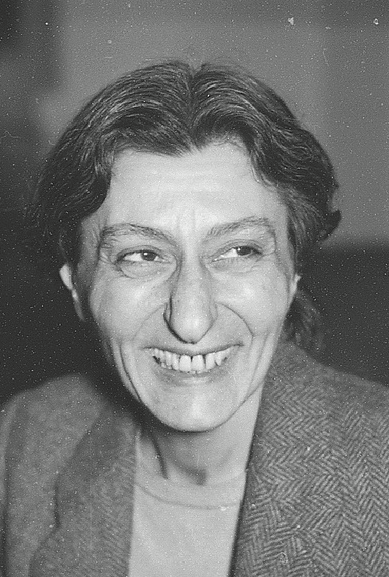
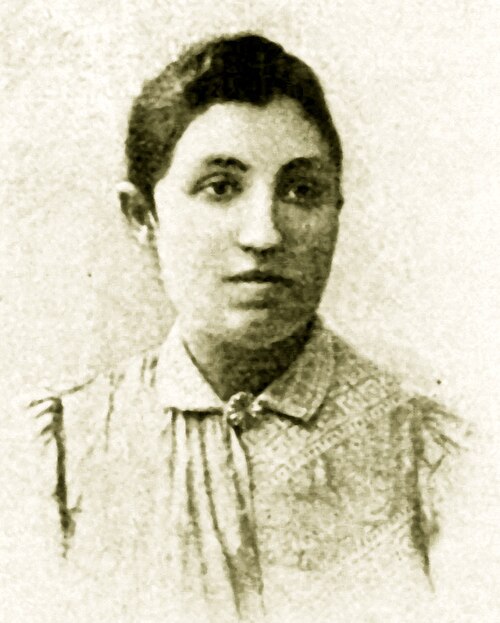
Ioulia Nakou, known as Lilika, was born in Athens into a well-off family. Most Greek sources, including the ERT archive, give 1904 as her birth year, while library records give 1903 and Deborah Tannen's 1983 study gives 1899. In 1917 she began studying at the Faculty of Philosophy in Geneva. Her first stories and novellas appeared in French in Paris magazines.
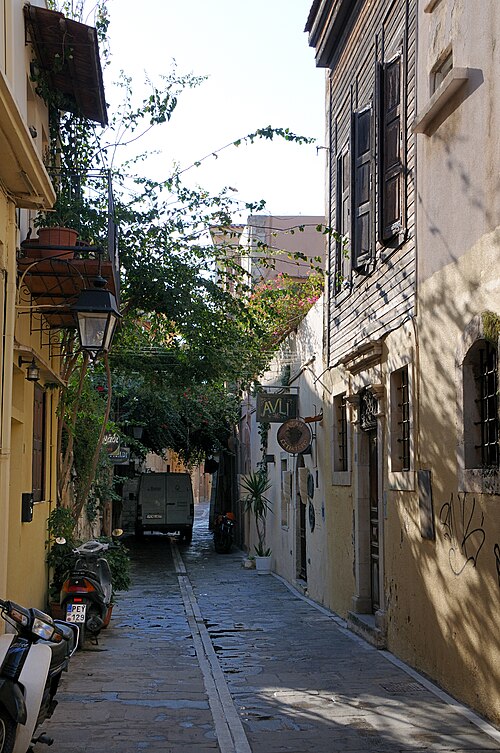
She returned to Greece in the early 1930s, and her collection Η ξεπάρθενη (The Deflowered Girl) came out in 1932. From 1934 she taught singing, first in Rethymno on Crete and then in Athens. In 1936 she turned to journalism, writing for the newspapers Ακρόπολις (Akropolis) and Έθνος (Ethnos) and for literary magazines such as Νέα Εστία (Nea Estia). For many years she was the only woman in Greek journalism. She met Nikos Kazantzakis and joined the writers of the Dexameni circle in Athens.
During the Axis occupation she worked as a volunteer with sick and starving children. After the war she spent several years abroad, partly in Switzerland, before settling again in Athens. She died in Athens on 25 May 1989.
Works
Nakou belonged to the Generation of the Thirties, the writers who shaped the modern Greek novel, and she was one of the first women among its prose writers. Much of her fiction grows out of her own life. Her stories and novels criticise the dowry system, prostitution and the narrow place given to women in Greek society, including the pressure on women under the Metaxas dictatorship that began on 4 August 1936. Her novel Οι παραστρατημένοι (Those Who Went Astray) appeared in 1935.
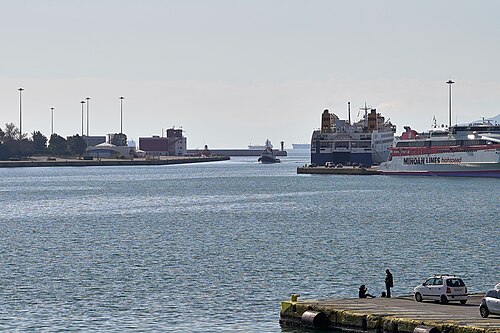
Her journalism is just as direct. In Ακρόπολις she wrote about working women, child labour and the eight-hour day, and she visited the Vourla brothel district in Piraeus, letting the women there tell their stories in their own words. Η κόλαση των παιδιών (The Children's Inferno, 1944) gathers stories based on her work with children during the occupation famine; an English translation appeared in 1946.
Η κυρία Ντορεμί (Madame Doremi, 1955) is a comic novel and her best-known book; its heroine is a teacher who faces the prejudices of a provincial town. Later novels include Για μια καινούργια ζωή (For a New Life, 1960). She also wrote fictionalised biographies, such as a life of Edgar Allan Poe, and memoirs of her years as a journalist.
Legacy in Greece today
Television brought Nakou to a new generation. In 1983 ERT broadcast a 13-episode series of Η κυρία Ντορεμί, directed by Nikos Koutelidakis, with a script by Giannis Kandilas and Eleni Anousaki in the title role; it follows a teacher back from Paris who meets the conservatism of interwar Rethymno. ET-2 adapted Για μια καινούργια ζωή in 1988. The ERT archive marks her anniversary on 25 May with features on her life. For a Greek task, take her 1936 sentence «Εγώ η ίδια εργάζομαι, παλεύω…» (I myself work, I struggle…) and rewrite it in reported speech: Η Νάκου είπε ότι η ίδια εργαζόταν… (Nakou said that she herself worked…). Then write a four-line dialogue between the teacher and a parent and report it with μου είπε ότι… and της είπα πως…
Did you know?
- The poet Nikos Kavvadias, who knew Piraeus well, gave her information for her reports and took her to a “floating” brothel on an old barge.
- Η κόλαση των παιδιών appeared in English in 1946 as The Children's Inferno: Stories of the Great Famine in Greece, translated by Allan Ross Macdougall.
- The American linguist Deborah Tannen wrote a book-length study of her, Lilika Nakos (1983), and translated a text in which Nakou writes about her mother.
- Her stories already reached English readers in the 1930s: “The Broken Doll” appeared in the London magazine Life and Letters Today in 1936–1937.
Key works
| Greek title | Title | Year |
|---|---|---|
| Η ξεπάρθενη | The Deflowered Girl | 1932 |
| Οι παραστρατημένοι | Those Who Went Astray | 1935 |
| Η κόλαση των παιδιών | The Children's Inferno | 1944 |
| Η κυρία Ντορεμί | Madame Doremi | 1955 |
| Για μια καινούργια ζωή | For a New Life | 1960 |
A line to remember
Εγώ η ίδια εργάζομαι, παλεύω και ξέρω από πείρα με τι κόπο η γυναίκα βγάζει το ψωμί της.
Egó i ídia ergázome, palévo ke xéro apó píra me ti kópo i gynéka vgázi to psomí tis.
I myself work, I struggle, and I know from experience how hard a woman toils to earn her bread.