Life
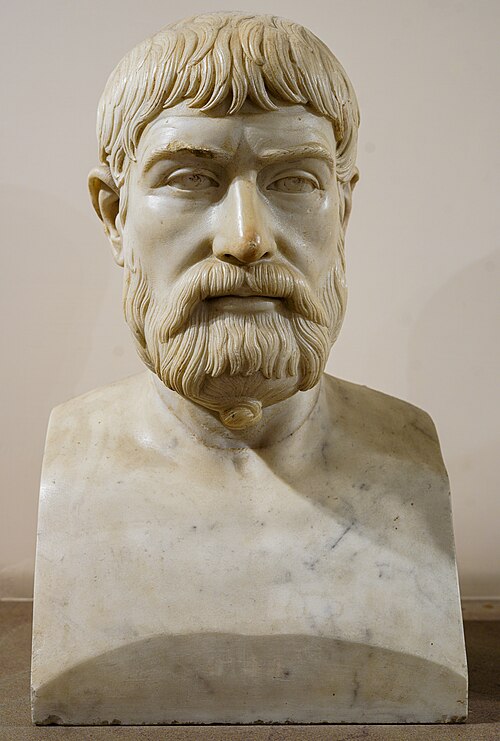
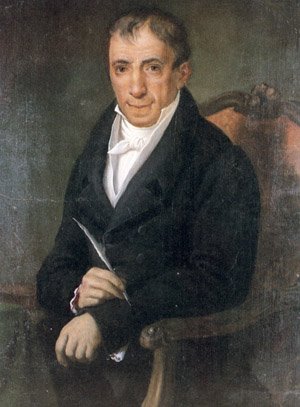
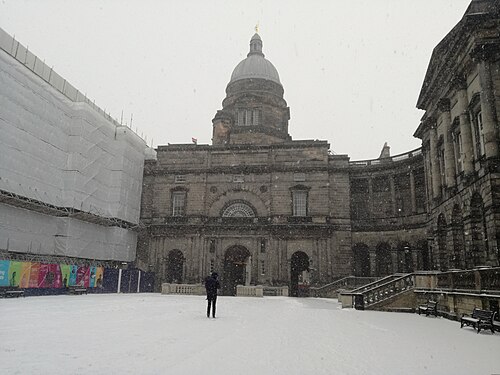
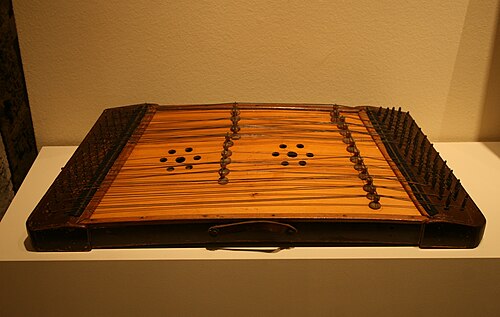
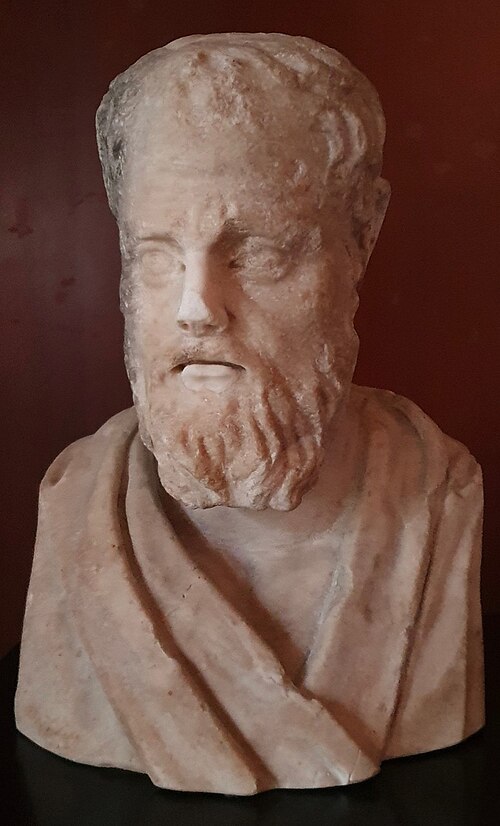
Isocrates was born in Athens in 436 BC, five years before the Peloponnesian War began. According to the later Lives of the Ten Orators, his father Theodorus of Erchia owned a workshop where slaves made auloi, the double pipes often translated as flutes, and he could afford an excellent education for his children. The same tradition names Prodicus, Gorgias and Tisias among the young man’s teachers. The war cost the family much of its property. After Athens’s defeat in 404 BC, Isocrates worked for some years as a logographer, a professional writer of courtroom speeches that his clients delivered themselves.
Around 390 BC he opened his own school of rhetoric, which he preferred to call philosophy. He taught for more than fifty years and became wealthy enough to pay for a warship. Pupils linked with him include the historians Ephorus and Theopompus, the general Timotheus, Nicocles of Cyprus and the orators Isaeus, Lycurgus and Hypereides, though some of these names rest on ancient tradition alone. He avoided the assembly, blaming his weak voice and timidity. He wrote the Antidosis at 82 and finished the Panathenaicus at about 97. He died in 338 BC, shortly after the Battle of Chaeronea. The ancient story that he starved himself in grief is uncertain, because a letter to Philip attributed to his last days still sounds hopeful.
Works

Isocrates wrote prose to be read as well as heard. His six surviving courtroom speeches, such as the Αἰγινητικός (Aegineticus), come from his years as a logographer and argue private cases about inheritance, money and property. His school discourses are different: they circulated in writing as models of style and political thought, often in the form of speeches that were never delivered. In Κατὰ τῶν σοφιστῶν (Against the Sophists), around 390 BC, he attacked teachers who promised too much and presented his own programme of talent, training and practice. His Ἑλένης ἐγκώμιον (Encomium of Helen) criticises an earlier treatment of the same heroine, usually identified with Gorgias’s speech, and offers a model of its own.
His best-known work, the Πανηγυρικός (Panegyricus), appeared around 380 BC. It urges the Greeks to end their quarrels and unite against Persia, with Athens and Sparta at the head. Later, in the Φίλιππος (To Philip) of 346 BC, he invited Philip II of Macedon to lead that campaign. The Περὶ ἀντιδόσεως (Antidosis) defends his life and teaching in the form of an imagined trial. His style is known for long, carefully built periods with balanced clauses, matching endings and smooth sound. For Isocrates, training in speech was also training in judgement and character, and later teachers of rhetoric studied him closely.
Legacy in Greece today
Isocrates remains standard reading in classical studies, and the Centre for the Greek Language anthology presents his Helen with a Modern Greek translation. His sentence from the Panegyricus about Greeks and education is widely quoted, sometimes far from its context: in the speech it praises Athens and its culture. Start with the quotation on this page and our Modern Greek rendering. Find the two contrasts in the original: μηκέτι… ἀλλά (no longer… but) and μᾶλλον… ἤ (more… than). Then write two Modern Greek sentences of your own, a recommendation and its reason, for example: Προτείνω να διαβάζεις λίγα ελληνικά κάθε μέρα, γιατί η γλώσσα θέλει επιμονή (I suggest you read a little Greek every day, because language needs persistence). Finally, decide whether your sentences sound like classroom advice or a courtroom argument.
Did you know?
- A later anecdote has Isocrates compare himself to a whetstone: it cannot cut, but it makes iron sharp.
- In the Panathenaicus he says he was 94 when he began it and 97 when he returned to finish it.
- Nine letters survive under his name, but not all of them are certainly his.
- His school was a rival of Plato’s Academy in fourth-century Athens.
Key works
| Greek title | Title | Year |
|---|---|---|
| Αἰγινητικός | Aegineticus — a courtroom speech | ? |
| Κατὰ τῶν σοφιστῶν | Against the Sophists | c. 390 BC |
| Πανηγυρικός | Panegyricus (Festival Speech) | c. 380 BC |
| Περὶ ἀντιδόσεως | Antidosis (On the Exchange of Property) | 354/353 BC |
| Φίλιππος | To Philip | 346 BC |
| Παναθηναϊκός | Panathenaicus | c. 339 BC |
A line to remember
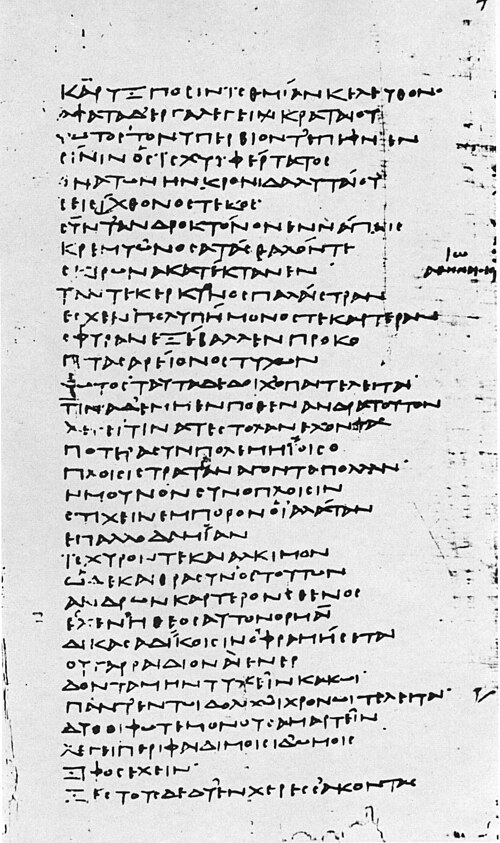
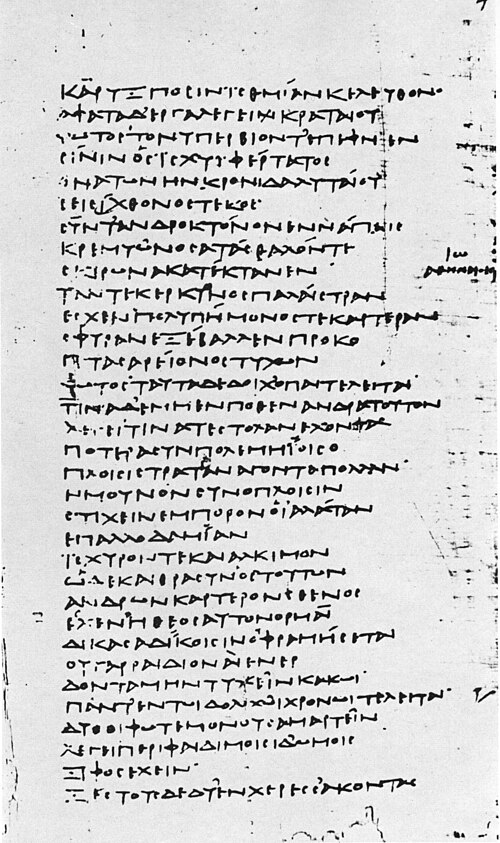
τὸ τῶν Ἑλλήνων ὄνομα πεποίηκε μηκέτι τοῦ γένους ἀλλὰ τῆς διανοίας δοκεῖν εἶναι, καὶ μᾶλλον Ἕλληνας καλεῖσθαι τοὺς τῆς παιδεύσεως τῆς ἡμετέρας ἢ τοὺς τῆς κοινῆς φύσεως μετέχοντας
In today's GreekΗ πόλη μας έκανε το όνομα των Ελλήνων να δηλώνει όχι πια την καταγωγή αλλά τη σκέψη, και να λέγονται Έλληνες περισσότερο όσοι μετέχουν στην παιδεία μας παρά όσοι έχουν απλώς την ίδια καταγωγή.
tò tôn Hellḗnōn ónoma pepoíēke mēkéti toû génous allà tês dianoías dokeîn eînai, kaì mâllon Héllēnas kaleîsthai toùs tês paideúseōs tês hēmetéras ḕ toùs tês koinês phýseōs metéchontas
Our city has made the name of the Greeks mean no longer a descent but a way of thinking, so that those who share our education are called Greeks more than those who share only a common origin.