Life
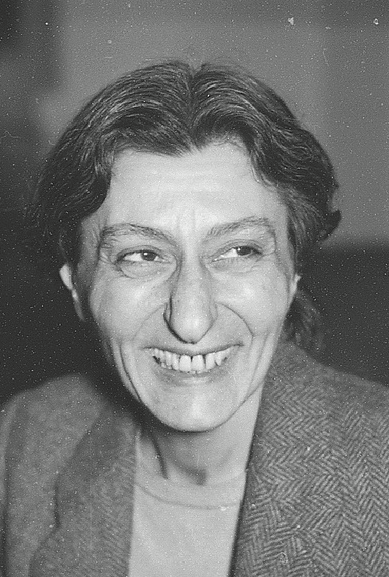
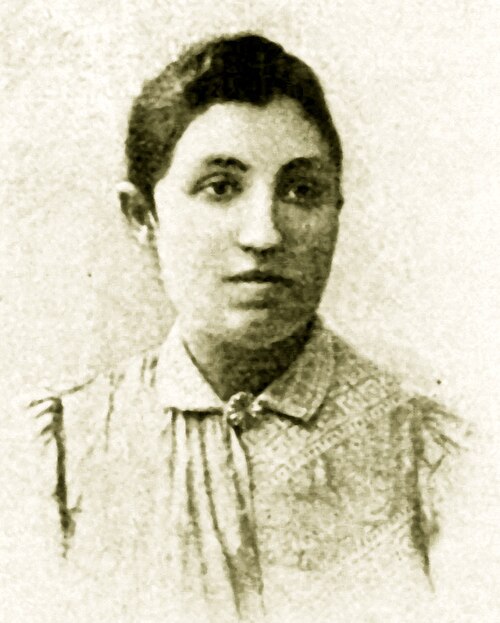
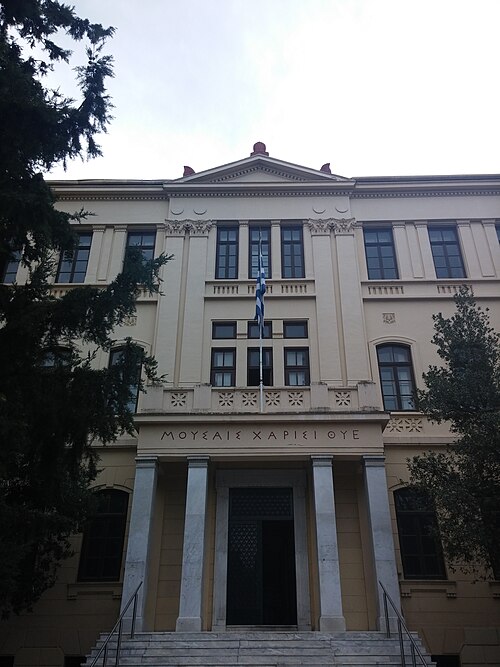
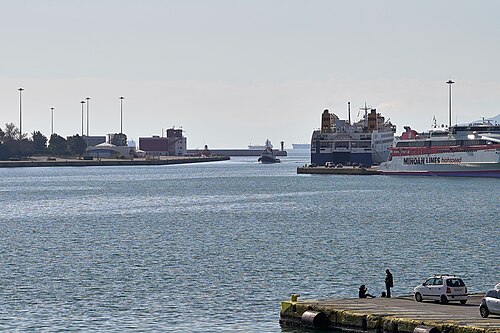
Olga Votsi was born in Piraeus in 1922. Votsi was her literary pen name; her legal name was Olga Bouki-Plati. She studied philology at the School of Philosophy of the University of Athens. From 1959 she spent three years at the University of Bonn, attending courses in German philology and art history. For twelve years she worked as a teacher of Greek language and literature in public and private schools in Greece and in Cyprus.
She first appeared in print in 1943, during the German occupation, when the Piraeus magazine Νεοελληνική Μούσα (Modern Greek Muse) published her poem Προσευχή (Prayer). Her first book, Ύμνοι (Hymns), followed in 1946. Over the next decades she wrote for literary magazines such as Νέα Εστία, Ευθύνη, Φιλολογική Πρωτοχρονιά and Πνευματική Κύπρος. She was a member of the National Society of Greek Writers and of the women writers' circle Γυναικεία Λογοτεχνική Συντροφιά (Women's Literary Company).
Recognition came steadily. She received the second State Poetry Prize in 1971 and the first State Poetry Prize in 1990. In 1987 the Academy of Athens gave her its Lambros Porfyras Prize, and she also received a prize of the Hellenic Society of Christian Letters. She died in Athens in 1998. Her collected poems appeared in four volumes between 1989 and 2002, the last two after her death.
Works

Votsi wrote mostly short free-verse poems in a calm, inward voice. Titles such as Ερημικά (Solitary Poems, 1951), Ενδόμυχα (Innermost, 1953) and Ύπαρξη και σιωπή (Existence and Silence, 1958) name her main subjects: solitude, silence and the search for something beyond everyday life. Some poems speak to a divine «You», written with a capital letter, and the critic Chrysa Spyropoulou-Mardikian called one of her essays on Votsi «Ένα μεταφυσικό τοπίο» (A Metaphysical Landscape). Her books were noticed early: Nikiforos Vrettakos reviewed Ύπαρξη και σιωπή in 1959, and Andreas Karantonis wrote about Ο μεγάλος ήχος (The Great Sound) in Νέα Εστία in 1967.
An untitled poem from Ενδόμυχα shows her method. It begins Προχωρούμε και Σ’ ανασαίνουμε (We move forward and breathe You in). A group of people, lost in darkness and mountains and cut off from everyone, feel a presence wrapping them like the night wind, and the poem ends, surprisingly, in happiness. Plain nouns such as wind, night, hair, shadow and hands carry an abstract experience.
Later collections, among them Κρύπτη και σύνορο (Crypt and Border, 1970), Πήλινο σχήμα (Clay Shape, 1985) and Ο καιρός σε κοίταζε (Time Was Watching You, 1993), continue this line. She also wrote essays, collected in Πολύεδρα (Polyhedra, 1978) and Οδύνη και ευδία (Pain and Fair Weather, 1984), and translated Kafka's letter to his father (1971) and Georg Trakl's prose poems (1974) into Greek.
Legacy in Greece today
Votsi is not a household name, but her poetry is part of Greek school reading today. The digital edition of the textbook Κείμενα Νεοελληνικής Λογοτεχνίας (Modern Greek Literature Texts) for the second year of upper secondary school, on Greece's official school e-books platform, includes her untitled poem from Ενδόμυχα. English translations of her poems appeared in the American journal The Charioteer in 1989–1990, and her work has been translated into Italian, French and Polish. For a Greek task, open that textbook page and find every comparison with σαν or σα (like). Copy one image, then write your own sentence on the same pattern: Η μουσική με τυλίγει σαν… (The music wraps me like…). Finally, explain in one Greek sentence why the poem ends in happiness.
Did you know?
- Votsi was a pen name: her legal name was Olga Bouki-Plati.
- Her first published poem, Προσευχή (Prayer), appeared in a Piraeus magazine in 1943, during the occupation.
- She studied German philology and art history in Bonn and later translated Kafka and Trakl into Greek.
- Her collected poems fill four volumes, two of them published after her death.
Key works
| Greek title | Title | Year |
|---|---|---|
| Ύμνοι | Hymns | 1946 |
| Ενδόμυχα | Innermost | 1953 |
| Ύπαρξη και σιωπή | Existence and Silence | 1958 |
| Κρύπτη και σύνορο | Crypt and Border | 1970 |
| Πήλινο σχήμα | Clay Shape | 1985 |
| Ο καιρός σε κοίταζε | Time Was Watching You | 1993 |
A line to remember
Προχωρούμε και Σ’ ανασαίνουμε. Η παρουσία Σου μας τυλίγει σαν τον αγέρα της νύχτας·
Prochoroúme ke S’ anasénoume. I parousía Su mas tylígi san ton agéra tis nýchtas
We move forward and breathe You in. Your presence wraps around us like the night wind;