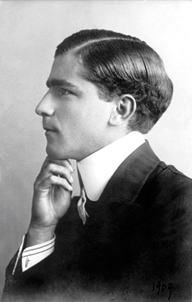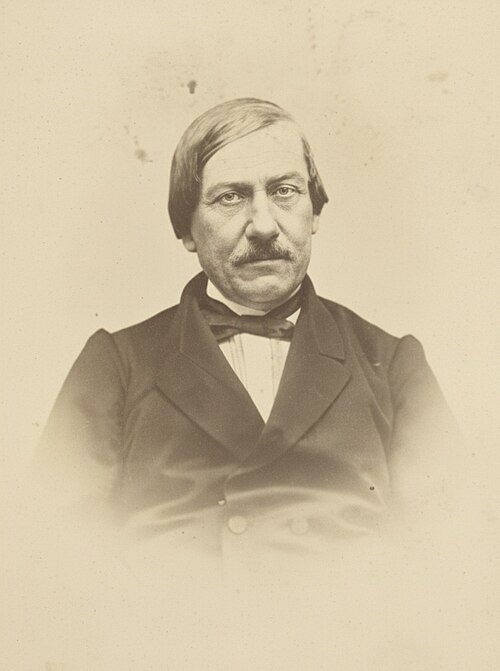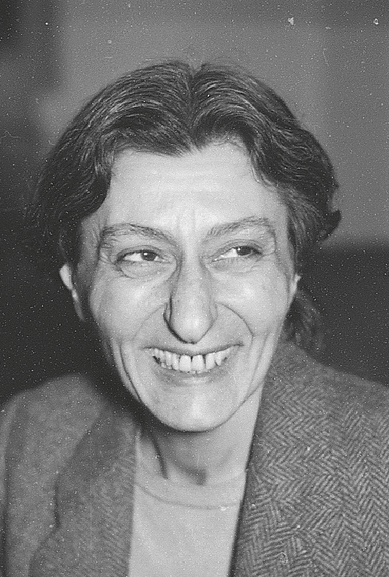
Life
Axioti was born in Athens in 1905 but grew up on Mykonos, then a poor, quiet island of sailors and farmers, long before tourism; her family came from there, and the island's houses, its winds and the voices of its women would fill her books for the rest of her life. She received a good education, including French, and lived in Athens from the late 1920s, where she began to write and to make her own way as a writer.
Her first novel, Δύσκολες νύχτες (Difficult Nights), appeared in 1938, during the Metaxas dictatorship, and her second, Θέλετε να χορέψομε Μαρία; (Shall We Dance, Maria?), in 1940. She had joined the Communist Party in 1936, and during the German Occupation she took part in the EAM Resistance. In 1947, as the Civil War raged, she left for France; expelled in 1950 with other Greek communists, she settled in East Germany, where she lived mostly in East Berlin and from 1958 taught modern Greek literature at the Humboldt University.
She was allowed to return to Greece only in 1964, and in these last years she wrote the most personal books of her career. She died in Athens on 22 May 1973.
Works

Δύσκολες νύχτες broke with the realism that dominated Greek fiction in the 1930s. There is no straight plot: fragments of memory, scenes from an island childhood, voices that interrupt each other, shifts between the first and third person and between past and present. The model is less any Greek writer than Proust and the European modernists, but the material is completely Greek, the household, the neighbours, the gossip and the grief of a small community. Critics were divided; some saw only confusion, others recognised a new way of writing. Θέλετε να χορέψομε Μαρία; pushes the experiment further, following the inner life of a young woman in Athens.
In the 1940s her writing became openly political: Εικοστός αιώνας (Twentieth Century, 1946) is a chronicle of Greek history seen from the left, and in exile she wrote short stories and reportage about the Resistance and the Civil War.
The late works return to memory, now with the experience of defeat and exile behind them. Το σπίτι μου (My House, 1965) is a meditation on the family house on Mykonos and the objects in it. Κάδμω (Kadmo, 1972), her last book, is a hybrid of prose poem and autobiography, a long flow of memory about childhood, history, love and death, in a dense and musical language. Today it is often read as her masterpiece.
Legacy in Greece today
For decades Axioti was half-forgotten, too modernist for the Party and too communist for the post-war Greek literary establishment. Since the 1980s, scholars and readers have rediscovered her, and she is now regarded as a key figure of Greek modernism alongside writers of the 1930s Generation such as Seferis and Elytis, and as one of the important women writers of twentieth-century Greece, with Margarita Liberaki and others. Her books have been reissued, and her archive and her years in East Berlin have become subjects of research. On Mykonos, among the crowds of summer, the old island she described survives in her pages. A C2 learner should start with the first chapters of Δύσκολες νύχτες or a few pages of Κάδμω, read slowly, aloud.
Did you know?
- She grew up on Mykonos decades before it became an international holiday island, and wrote about its old life all her life.
- Expelled from France in 1950, she spent more than a decade in East Germany, teaching modern Greek literature at the Humboldt University.
- Her first novel, published in 1938, is often called the first Greek modernist novel.
Key works
| Greek title | Title | Year |
|---|---|---|
| Δύσκολες νύχτες | Difficult Nights | 1938 |
| Θέλετε να χορέψομε Μαρία; | Shall We Dance, Maria? | 1940 |
| Εικοστός αιώνας | Twentieth Century | 1946 |
| Το σπίτι μου | My House | 1965 |
| Κάδμω | Kadmo | 1972 |
From the works

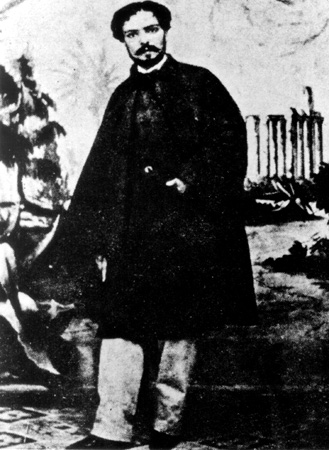
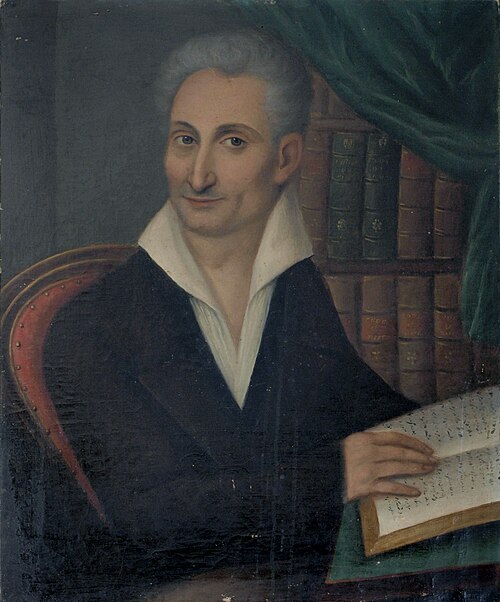
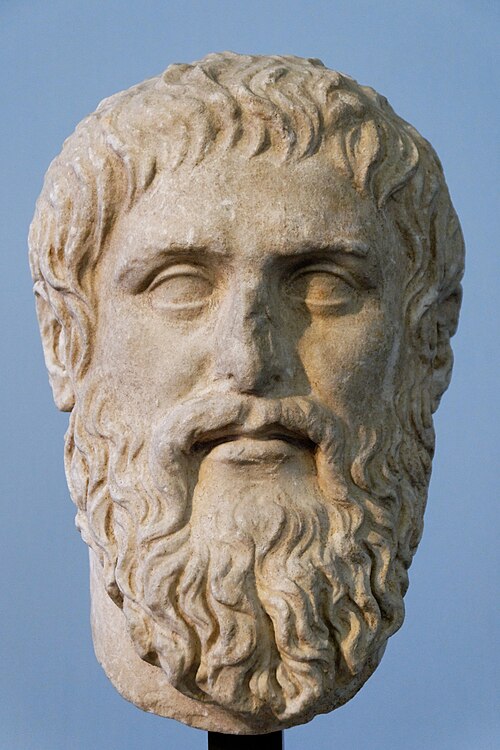
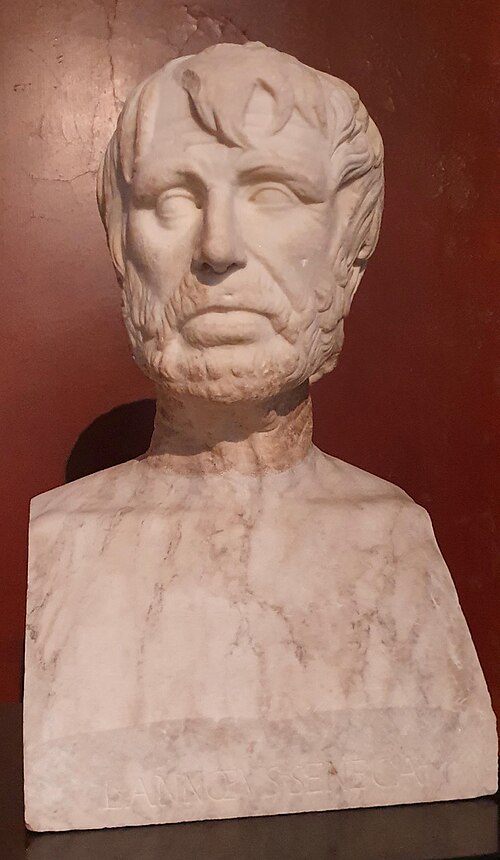
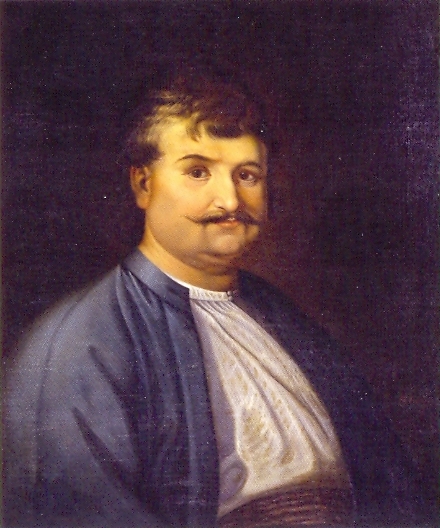
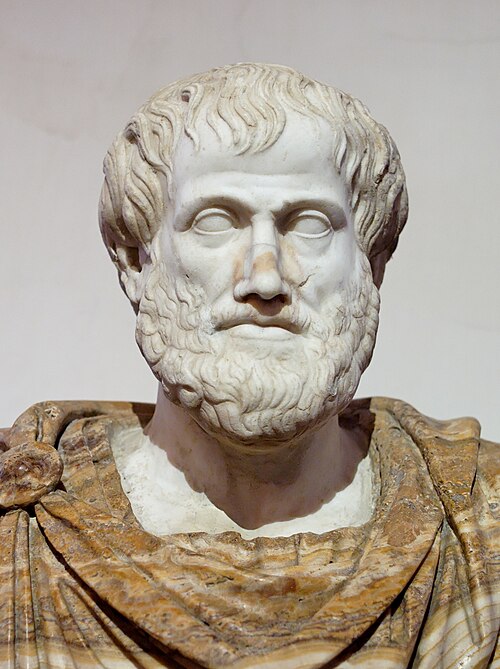
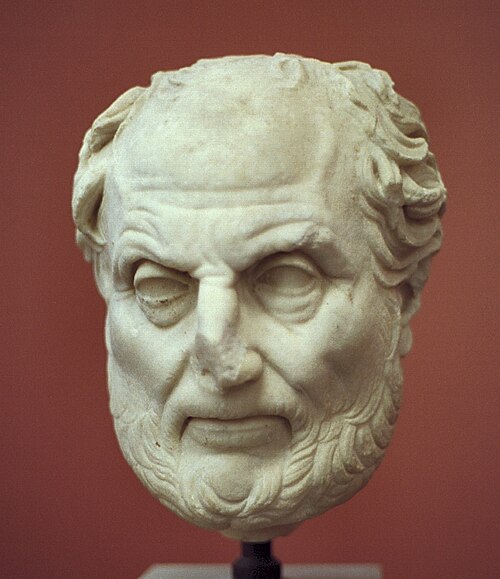
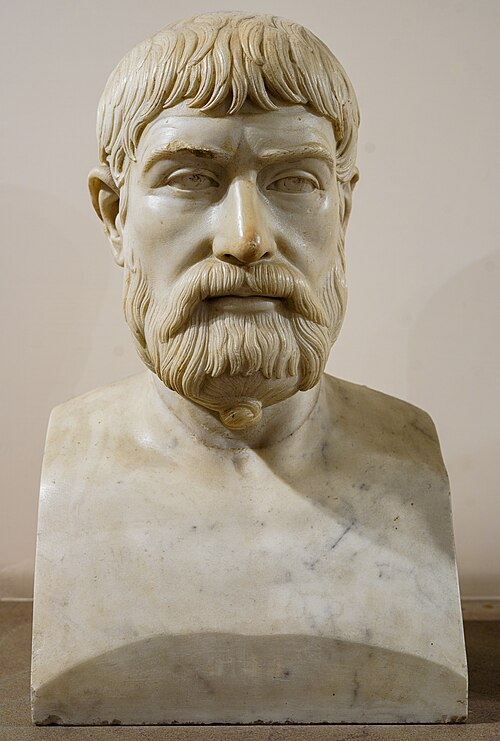
Public-domain pictures from Wikimedia Commons.
A line to remember
Θέλετε να χορέψομε Μαρία;
Thelete na chorepsome Maria?
Shall we dance, Maria?