Life
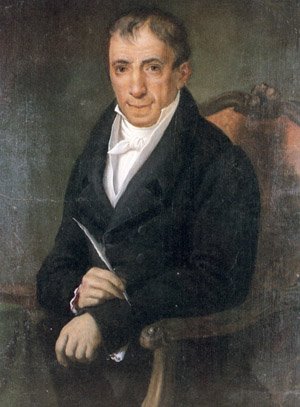
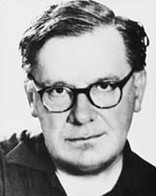
Ioannou was born in Thessaloniki on 20 November 1927 to a poor family of refugees from Eastern Thrace, who had settled in the city after the exchange of populations of the 1920s. He grew up in the working-class districts around the railway station, a world of refugees, small traders and, until 1943, Jewish neighbours. As a teenager he lived through the German Occupation and saw the deportation of the city's Jews to the death camps, an experience that would return again and again in his writing.
He studied history and archaeology at the University of Thessaloniki and became a schoolteacher of Greek, teaching in secondary schools for most of his working life. He began as a poet, with Ηλιοτρόπια (Sunflowers, 1954) and Τα χίλια δέντρα (The Thousand Trees, 1963), before finding his true voice in prose with Για ένα φιλότιμο (For a Sense of Honour, 1964).
He taught in Athens and elsewhere in Greece, and for two years from 1962 at the Greek school of Benghazi in Libya. Settled in Athens, he became a central figure of its literary life in the 1970s, and in 1979 he won the First State Prize for the short story for Το δικό μας αίμα. He was also a passionate student of folk culture: he edited collections of folk songs and folk tales and published the texts of the Karagiozis shadow theatre in three volumes (1971–1972). He died in Athens on 16 February 1985, aged 57, shortly after publishing Η πρωτεύουσα των προσφύγων (The Capital of the Refugees), his last portrait of his city.
Works

Ioannou's characteristic form is the «πεζογράφημα», a short prose piece of a few pages, told in the first person, which moves freely between anecdote, memory, confession and essay. The narrator walks through Thessaloniki, remembers a childhood scene, observes a stranger in a café or on a train, and slowly reveals a loneliness, a desire, a sense of guilt. The tone is plain and conversational, but every word is weighed, and an undercurrent of irony runs beneath the calm surface.
His collections Για ένα φιλότιμο (1964), Η σαρκοφάγος (The Sarcophagus, 1971), Η μόνη κληρονομιά (The Only Inheritance, 1974) and Το δικό μας αίμα (Our Own Blood, 1978) build up a moral map of post-war Thessaloniki: the refugee quarters with their stubborn pride, the Occupation and its hunger, the vanished Jewish community, the repressed sensuality of a provincial city, the hypocrisy of respectable society. He wrote, discreetly but unmistakably, about male desire, and with a rare honesty about the Holocaust of the Thessaloniki Jews, at a time when few Greek writers touched the subject. In Η πρωτεύουσα των προσφύγων (1984) he turned to the city itself, its streets and buildings, defending its memory against the bulldozers of modernisation.
Legacy in Greece today
Ioannou is a fixture of the Greek school anthologies, and many Greeks first read him in lyceum; his pieces are short enough to read in one sitting, and ideal for a C2 learner. Walk around the old railway station and the Vardaris district of Thessaloniki with Η πρωτεύουσα των προσφύγων in hand and you will see the city through his eyes. Critics place him, with Manolis Anagnostakis, at the heart of the «Thessaloniki school» of post-war writing, introspective and urban. His books remain in print, and his editions of the Karagiozis texts are still used by students of the shadow theatre. The site's page on Anagnostakis completes the portrait of literary Thessaloniki.
Did you know?
- Many of his prose pieces are only two or three pages long.
- He began as a poet before turning to the short prose for which he is famous.
- He was among the first Greek writers to write about the deportation of the Jews of Thessaloniki, which he witnessed as a teenager.
- His real surname was Sorolopis; he wrote as Giorgos Ioannou.
Key works
| Greek title | Title | Year |
|---|---|---|
| Ηλιοτρόπια | Sunflowers (poems) | 1954 |
| Για ένα φιλότιμο | For a Sense of Honour | 1964 |
| Η σαρκοφάγος | The Sarcophagus | 1971 |
| Η μόνη κληρονομιά | The Only Inheritance | 1974 |
| Το δικό μας αίμα | Our Own Blood | 1978 |
| Η πρωτεύουσα των προσφύγων | The Capital of the Refugees | 1984 |
A line to remember
Η πρωτεύουσα των προσφύγων
I protevousa ton prosfygon
The capital of the refugees