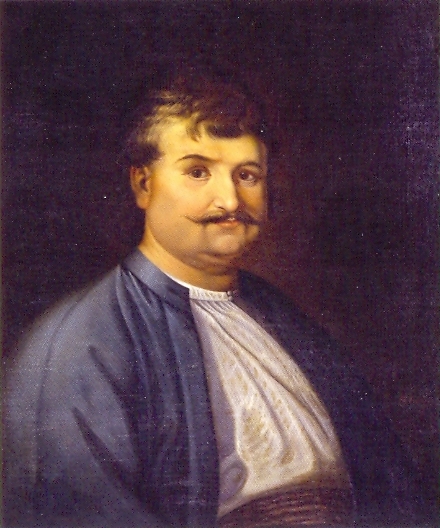
Life
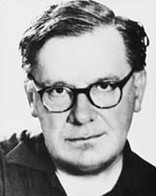
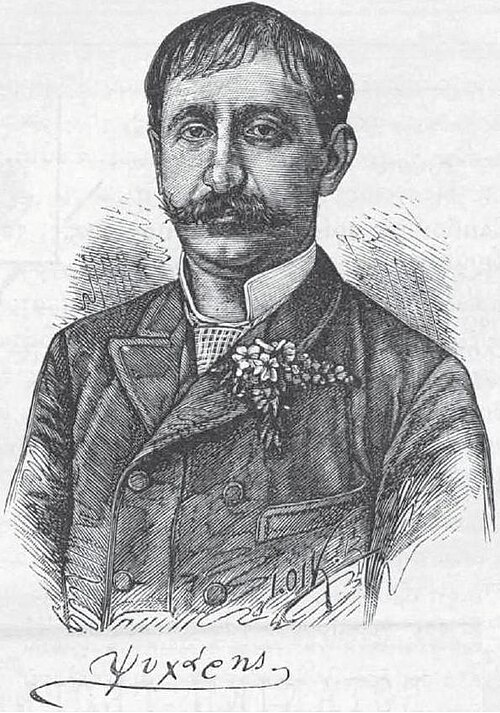
Psycharis was born in Odessa on 15 May 1854 into a prosperous family of Chiot origin, and after his mother's early death he was brought up in Constantinople and then in Marseille and Paris, so that French, not Greek, was the language of his schooling. He studied classical and medieval philology in Paris and Germany, joined the École pratique des hautes études in 1885 and in 1904 succeeded Émile Legrand in the chair of Modern Greek at the École des langues orientales, which he held until 1928. In 1882 he married Noémi Renan, daughter of the historian Ernest Renan; their son Ernest Psichari became a well-known French writer and was killed in the first weeks of the First World War.
In 1886 he made the trip to Constantinople, Chios and Athens that became Το ταξίδι μου (My Journey, 1888). The book turned a Paris academic into the leader of a movement in a country where he never lived: young writers rallied to him, Kostis Palamas among them, while the Athens establishment and the university treated him as a traitor who wanted to vulgarise the sacred tongue. For forty years he kept up the campaign from Paris with articles, open letters, grammars and novels, visiting Greece only occasionally.
He was combative to the point of intolerance, quarrelling eventually with most of his allies, including Palamas, over details of his system. He died in Paris on 29 September 1929 and, at his own wish, was buried on Chios, the island of his ancestors, in the soil of the language he had fought for.
Works

The scholar came first. Psycharis' Essais de grammaire historique néo-grecque (1886–89) and his many studies showed that the spoken Greek of the nineteenth century was not a corruption of the ancient language but its natural continuation, with laws of its own, and therefore as worthy of writing as French or Italian. From that conclusion followed the manifesto. Το ταξίδι μου (My Journey, 1888) is travel book and pamphlet at once: written entirely in demotic, it argues that a nation has only one language, the one its people speak, that katharevousa is a mask that keeps Greeks half-literate, and that «language and homeland are the same thing», so that to fight for the national language is to fight for the nation.
To prove that demotic could do everything, Psycharis wrote novels in it, Τ' όνειρο του Γιαννίρη (Yanniris' Dream, 1897), Ζωή κι αγάπη στη μοναξιά (Life and Love in Solitude, 1904), Τα δυο αδέρφια (The Two Brothers, 1911), Αγνή (Agni, 1913), as well as essays collected as Ρόδα και μήλα (Roses and Apples, 1902–09). The novels are little read now; what mattered was the model. His own demotic, however, was a system rather than a transcription: he applied the phonetic rules of the spoken language mechanically even to learned words, producing forms such as «Αθήνα» for Athens but also oddities that Greeks found as artificial as katharevousa, and «ψυχαρισμός» became a word for doctrinaire extremism in language. The next generation, Manolis Triantafyllidis above all, kept his principle and softened his practice, and it is their moderate demotic that won.
Legacy in Greece today
Every page of Modern Greek a learner reads is, in a sense, Psycharis' legacy. The γλωσσικό ζήτημα (language question) he ignited divided Greece for ninety years, with riots in Athens in 1901 over a demotic translation of the Gospels, the introduction of demotic into primary schools under Venizelos in 1917, its banning by the dictatorships, and finally the law of 1976 that made demotic the language of the state and of education; the school grammar still in use descends from Triantafyllidis' grammar of 1941, which built on his work. Το ταξίδι μου is read in extracts in Greek lyceums as the founding text of the demotic movement, and its sentence «γλώσσα και πατρίδα είναι το ίδιο» is the slogan every Greek pupil associates with his name. Streets in Athens and Chios bear his name, and his grave can be visited on Chios.
Did you know?
- French, not Greek, was the language of his schooling; he became the champion of spoken Greek from a professor's chair in Paris and never lived in Greece.
- He was the son-in-law of Ernest Renan, and his son Ernest Psichari was a French novelist killed at the front in August 1914.
- «Ψυχαρισμός» survives in Greek as a word for excessive, doctrinaire demoticism, even though his basic idea won.
- Although he lived his whole life abroad, he asked to be buried on Chios, the island of his family.
Key works
| Greek title | Title | Year |
|---|---|---|
| Essais de grammaire historique néo-grecque | Essays in the historical grammar of Modern Greek | 1886–1889 |
| Το ταξίδι μου | My Journey, the manifesto of demoticism | 1888 |
| Τ' όνειρο του Γιαννίρη | Yanniris' Dream (novel) | 1897 |
| Ρόδα και μήλα | Roses and Apples (essays, five volumes) | 1902–1909 |
| Ζωή κι αγάπη στη μοναξιά | Life and Love in Solitude (novel) | 1904 |
| Αγνή | Agni (novel) | 1913 |
From the works


Public-domain pictures from Wikimedia Commons.
A line to remember
Γλώσσα και πατρίδα είναι το ίδιο. Να πολεμά κανείς για την πατρίδα του ή για την εθνική τη γλώσσα, ένας είναι ο αγώνας.
Glossa kai patrida einai to idio. Na polema kaneis gia tin patrida tou i gia tin ethniki ti glossa, enas einai o agonas.
Language and homeland are the same thing. Whether one fights for one's homeland or for the national language, it is one and the same struggle.
From the original
The text as Yannis Psycharis wrote it, out of copyright, with our own translation beside it.
«Τὸ ταξίδι μου»My Journey
The 'Two words' that open «Το ταξίδι μου», the 1888 book that launched the demoticist movement: Psycharis, a professor in Paris, explains why writing in the spoken language is a patriotic fight. Note his own phonetic spellings, such as ἀφτή for αὐτή.
«Τὸ ταξίδι μου» (1888), «Δυὸ λόγια», the opening; text of the 1905 second edition · Public-domain text, source: el.wikisource.org