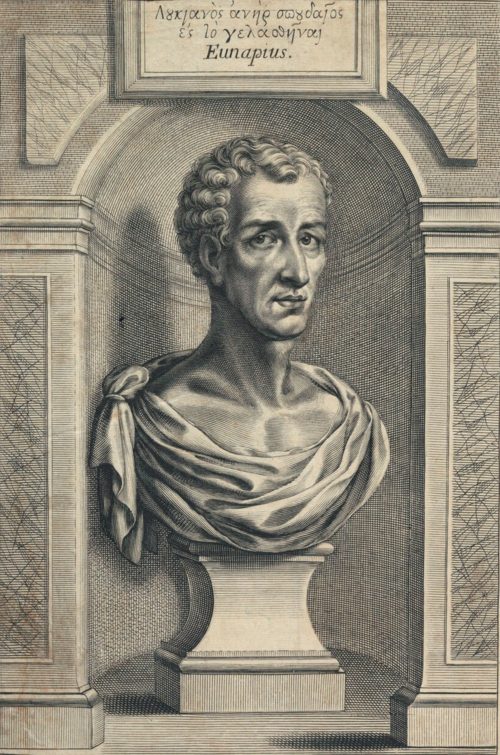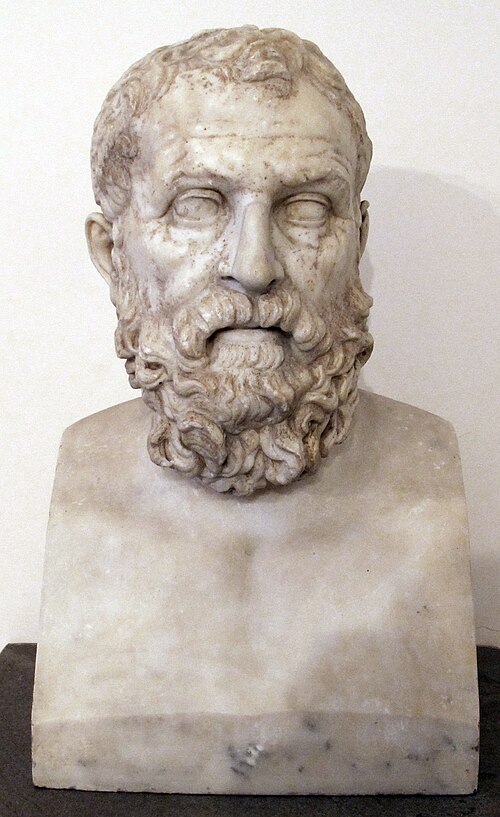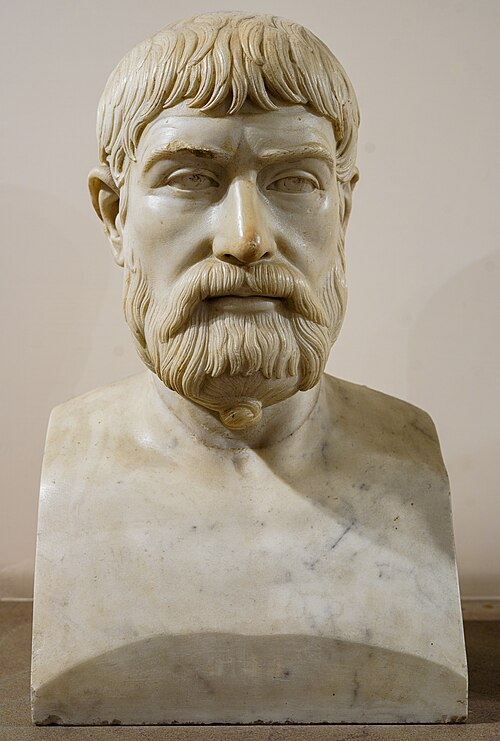
Life
Pindar was born around 518 BC at Cynoscephalae, a village in the territory of Thebes in Boeotia, into an aristocratic family that claimed descent from the Aegeid clan of Sparta. Tradition says he studied music and poetry in Athens, and the earliest ode we can date, the tenth Pythian, was written in 498 BC, when he was about twenty, for a young Thessalian noble. From then on he worked for commission across the Greek world: his ambition was to be the poet of the whole of Hellas, not of one city.
His career coincided with the Persian Wars, in which Thebes took the Persian side, an embarrassment his odes handle with care, and with the golden age of the Sicilian tyrants. In 476 BC he travelled to Sicily and wrote for Hieron of Syracuse and Theron of Acragas, the richest patrons of the age, celebrating their racehorses and chariots in the first Olympians and Pythians. He wrote often for the aristocratic families of Aegina, eleven odes in all, and for Arcesilas, king of Cyrene in Libya, and he composed hymns, paeans and dithyrambs for cities and sanctuaries, including a dithyramb praising «shining, violet-crowned, famous Athens», for which, the story goes, the Athenians rewarded him and the Thebans fined him.
His last datable poem, the eighth Pythian, celebrates a wrestler from Aegina in 446 BC and contains the most famous lines he ever wrote on human frailty; he was about seventy. He is said to have died at Argos around 438 BC. More than a century later, when Alexander razed Thebes in 335 BC, he ordered the poet's house spared.
Works

The Alexandrian scholars arranged Pindar's poetry in seventeen books; four survive complete, the Ἐπίνικοι (Victory Odes), forty-five poems grouped by festival as Ὀλυμπιόνικοι, Πυθιόνικοι, Νεμεόνικοι and Ἰσθμιόνικοι. An epinician was performed by a chorus of young men, with lyre and pipes, at the victor's homecoming. It names the winner, his family and city, leaps to a myth connected with them, and returns with maxims about the gods, fortune and the brevity of glory. The structure is triadic, strophe, antistrophe and epode, in metres of great complexity, and the language is a lofty literary Doric packed with compound adjectives and abrupt transitions.
The first Olympian (476 BC), for Hieron's racehorse Pherenikos, opens with the celebrated priamel «Ἄριστον μὲν ὕδωρ» (Water is best, and gold a blazing fire) and retells the story of Pelops and his chariot race for the hand of Hippodameia. The seventh Olympian (464 BC), for the boxer Diagoras of Rhodes, was said to have been inscribed in gold letters in the temple of Athena at Lindos. The second Pythian ends with the command «γένοι' οἷος ἐσσὶ μαθών» (become what you are, having learned it), and the eighth Pythian (446 BC) with the meditation that we are creatures of a day, a shadow's dream, until a god-given radiance falls on us.
Pindar's theme is ἀρετά, excellence inherited by blood and proved in action, and the poet's power to make it immortal; of his own art he speaks with a confidence no Greek poet matched, an eagle among chattering crows.
Legacy in Greece today
Pindar shaped the idea of the ode for two and a half thousand years: Horace warned that whoever tries to rival him flies on waxen wings, Ronsard, Cowley and Hölderlin imitated and translated him, and «Pindaric» still means lofty, irregular and inspired. In Greece his lines have passed into the language: «Άριστον μεν ύδωρ» is quoted wherever water is praised, on fountains and in speeches about the environment, and «σκιάς όναρ άνθρωπος» is the learned phrase for the brevity of life. The revived Olympic Games brought the Olympian odes back into public life, and lines from them are read at Olympic ceremonies and printed in school anthologies of archaic lyric used in the lyceum. Visitors to Thebes can see the city's archaeological museum, reopened in 2016, and in Athens a street in Kolonaki bears his name. The site's page on Spyros Louis, the first modern marathon winner, is the natural companion to this one.
Did you know?
- When Alexander the Great destroyed Thebes in 335 BC he spared only the temples and the house of Pindar, dead for a century.
- The Rhodians are said to have inscribed his seventh Olympian ode in letters of gold in the temple of Athena at Lindos.
- His praise of Athens as «violet-crowned» supposedly earned him a fine from his fellow Thebans and a statue from the grateful Athenians.
- Only four of the seventeen books of his poetry survive complete; a large part of the rest was recovered from Egyptian papyri in the twentieth century.
Key works
| Greek title | Title | Year |
|---|---|---|
| Πυθιόνικος Ι΄ (για τον Ιπποκλέα από τη Θεσσαλία) | Pythian 10, his earliest datable ode | 498 BC |
| Ολυμπιόνικος Α΄ («Ἄριστον μὲν ὕδωρ») | Olympian 1, for Hieron of Syracuse | 476 BC |
| Πυθιόνικος Α΄ (η έκρηξη της Αίτνας) | Pythian 1, for Hieron, with the eruption of Etna | 470 BC |
| Ολυμπιόνικος Ζ΄ (για τον Διαγόρα τον Ρόδιο) | Olympian 7, for the boxer Diagoras of Rhodes | 464 BC |
| Πυθιόνικος Δ΄ (οι Αργοναύτες) | Pythian 4, for Arcesilas of Cyrene, with the Argonauts | 462 BC |
| Πυθιόνικος Η΄ («σκιᾶς ὄναρ ἄνθρωπος») | Pythian 8, his last datable ode | 446 BC |
From the works


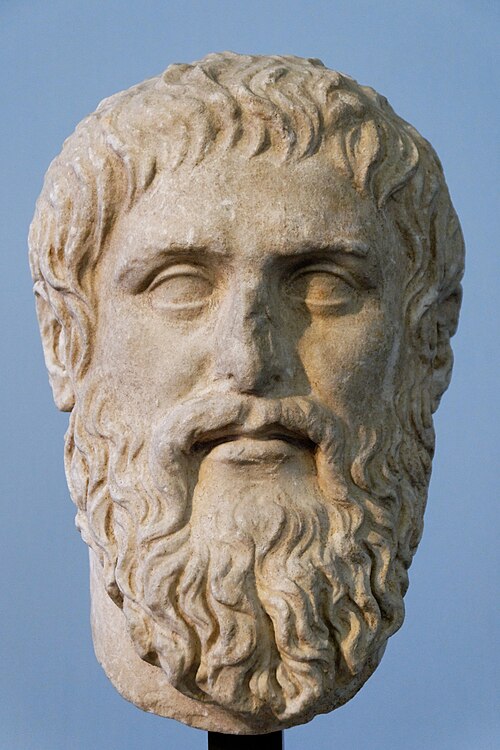
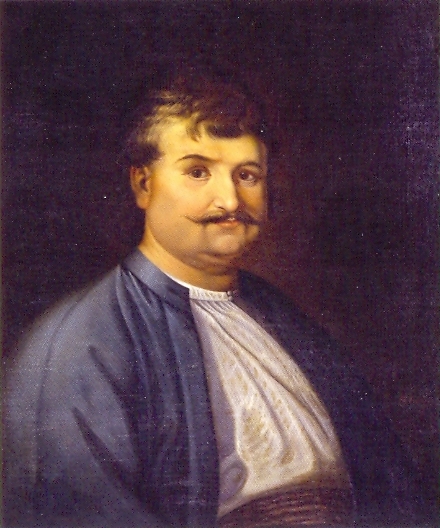
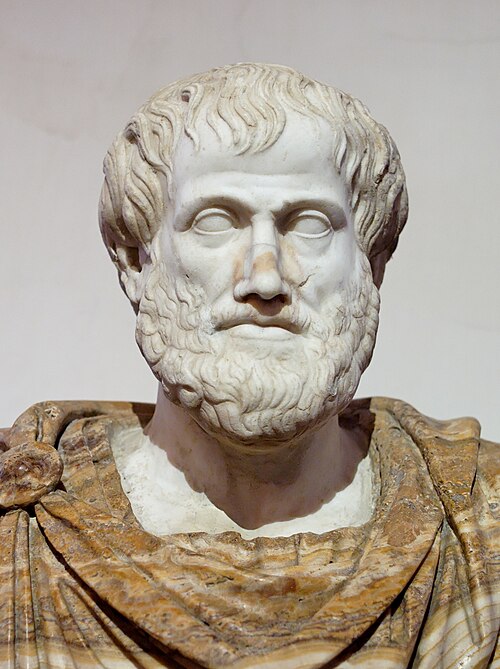
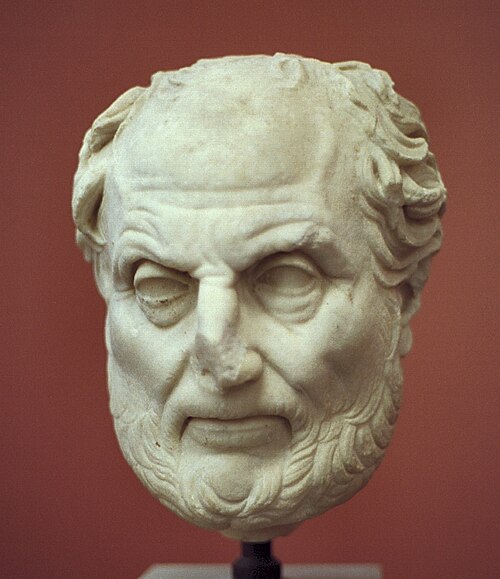
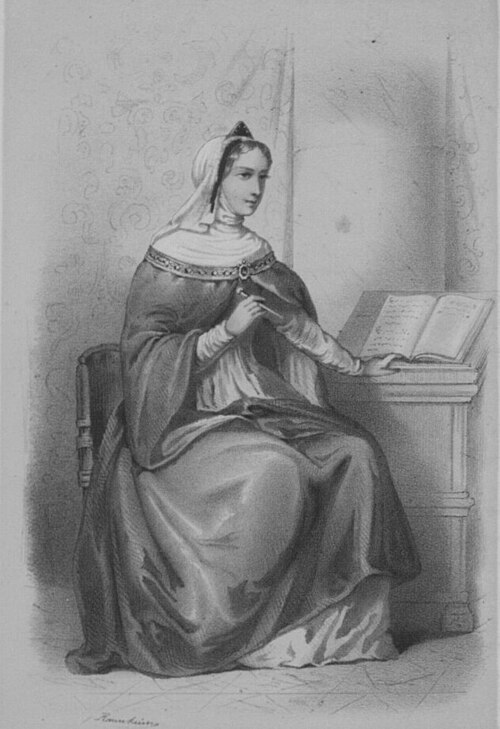
Public-domain pictures from Wikimedia Commons.
A line to remember
Ἐπάμεροι· τί δέ τις; τί δ' οὔ τις; σκιᾶς ὄναρ ἄνθρωπος.
In today's GreekΠλάσματα μιας μέρας. Τι είναι κανείς; Τι δεν είναι; Όνειρο σκιάς ο άνθρωπος.
Epameroi; ti de tis? ti d' ou tis? skias onar anthropos.
Creatures of a day. What is anyone? What is anyone not? Man is the dream of a shadow.
From the original
The text as Pindar wrote it, out of copyright, with our own translation beside it.
«Πυθιόνικος Η΄»Pythian 8
The close of Pindar's last datable ode, for a young wrestler from Aegina: the victor's soaring joy, how quickly it falls, the famous line on what a human being is, and a prayer for the island's freedom. Line numbers and strophe labels of the source are omitted.
Πυθιόνικος Η΄ (for the wrestler Aristomenes of Aegina, 446 BC), lines 88–100, the closing antistrophe and epode · Public-domain text, source: el.wikisource.org