Life
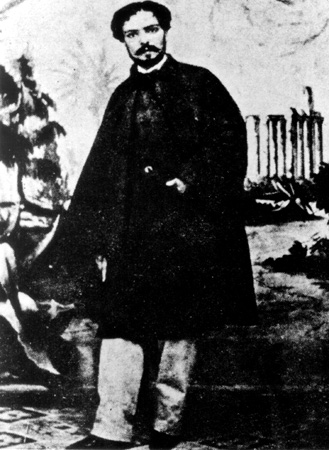
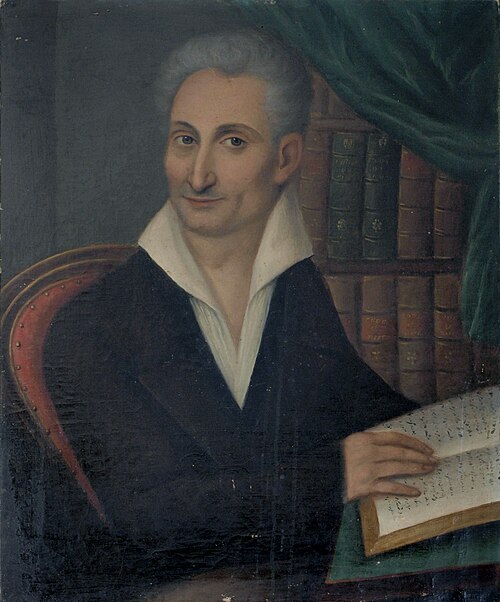
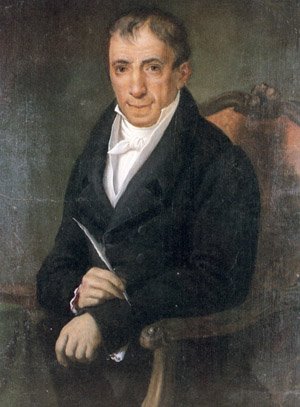
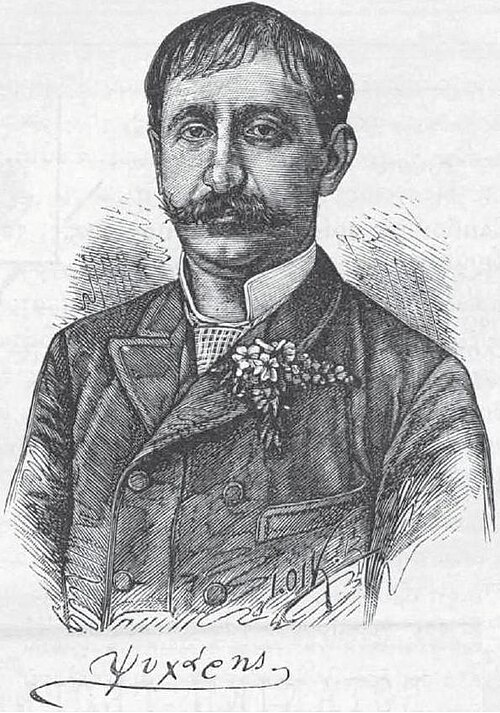
Laskaratos was born in Lixouri, the second town of Kefalonia, in 1811, when the Ionian Islands had never been part of the Ottoman Empire and were passing from Venetian to French and then British control. He came from a landowning family and studied at the Ionian University in Corfu and then law in Pisa and Paris, returning home in 1839. In Corfu, the cultural capital of the islands, he was a pupil of the poet Andreas Kalvos and came to know Dionysios Solomos, the national poet, whose example convinced him that literature should be written in the living demotic Greek.
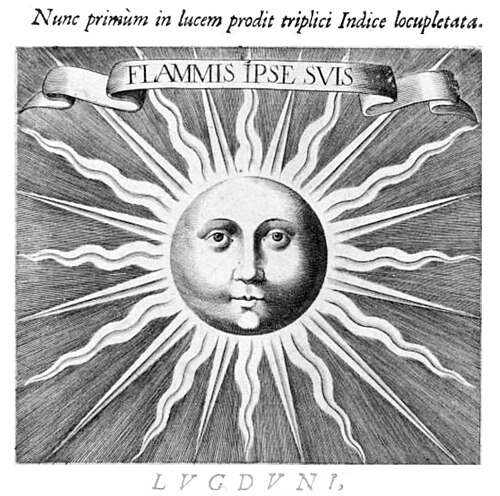
Back in Kefalonia he began to write satire. In 1856 he published Τα μυστήρια της Κεφαλονιάς, and the scandal was immediate: the Orthodox bishop of Kefalonia pronounced a solemn excommunication against him, the authorities advised him to stay indoors, and in March 1856 he left for Zakynthos, announcing that he went «excommunicated by the clergy as impious and driven out by the Government as a disturber of public order». He answered the bishop in print, and he kept writing and publishing, including his own satirical newspaper, Ο Λύχνος (The Lamp), whose first run lasted from 1859 to 1863.
He married and had a family, and later wrote about his troubles in Οι καταδρομές μου εξαιτίας του «Λύχνου» (My Persecutions Because of the Lamp). He lived to the age of ninety and died in Argostoli on 24 July 1901.
Works

Τα μυστήρια της Κεφαλονιάς (1856) is a short book in three parts, about religion, family and politics, and its title is a pun: «μυστήρια» means both mysteries and the sacraments of the Church. Laskaratos describes the local cult of relics and miracles, the priests who live off the fears of the poor, the families who marry off their daughters like property, the dowry system and the endless feuds, and the politicians who buy votes. The tone is not angry but coldly ironic: he simply describes, and lets the absurdity speak.
He was a moralist in the old sense, a believer in reason, honesty and individual conscience against custom and authority, and not an enemy of faith itself; he claimed to defend the Gospel against those who exploited it. This is clearest in Ιδού ο άνθρωπος (Behold the Man, 1874), subtitled «ανθρώπινοι χαρακτήρες» (human characters), a collection of short portraits and reflections on human nature, vanity, virtue and social life, written in a plain, sharp demotic.
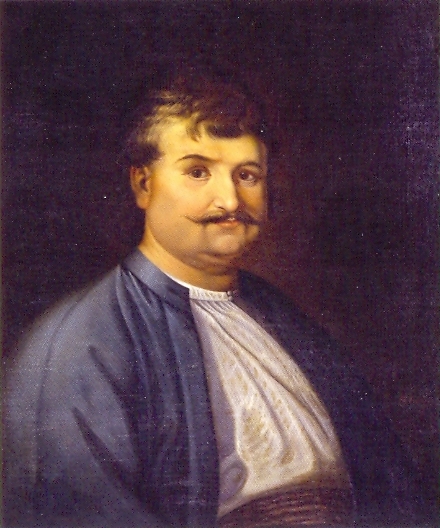
His poems, gathered in Στιχουργήματα (Verses, 1872), include satirical pieces in the Kefalonian dialect. Along with Emmanouil Roidis in Athens, Laskaratos is the founder of Greek prose satire and one of the first Greek writers to fight openly for freedom of thought and of the press.
Legacy in Greece today
In Greece today Laskaratos is the symbol of the free thinker who stands up to clerical power, and his excommunication is cited whenever the Church and freedom of speech collide. Τα μυστήρια της Κεφαλονιάς is regularly reprinted and is a good C2 read: short, funny and sharp, with a vocabulary that opens up nineteenth-century Greek. Lixouri, his birthplace, keeps his memory alive, and Kefalonians are proud of his reputation for wit, which matches the island's own. His reflections, from Ιδού ο άνθρωπος and the posthumous Στοχασμοί (Reflections, 1921), appear in anthologies and are quoted in newspaper columns.
Did you know?
- The title Τα μυστήρια της Κεφαλονιάς plays on «μυστήρια», which means both mysteries and the Church's sacraments.
- He was excommunicated by the bishop of Kefalonia in 1856, and later the same year in Zakynthos too.
- He was a pupil of Andreas Kalvos and knew Dionysios Solomos, whose example led him to write in demotic.
- He was born under foreign rule in 1811 and lived to see Kefalonia become part of Greece in 1864.
Key works
| Greek title | Title | Year |
|---|---|---|
| Τα μυστήρια της Κεφαλονιάς | The Mysteries of Kefalonia | 1856 |
| Ο Λύχνος (σατιρική εφημερίδα) | The Lamp (his satirical newspaper) | 1859–1863 |
| Στιχουργήματα | Verses | 1872 |
| Ιδού ο άνθρωπος | Behold the Man (character sketches and reflections) | 1874 |
From the works


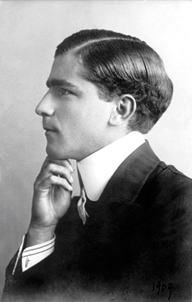
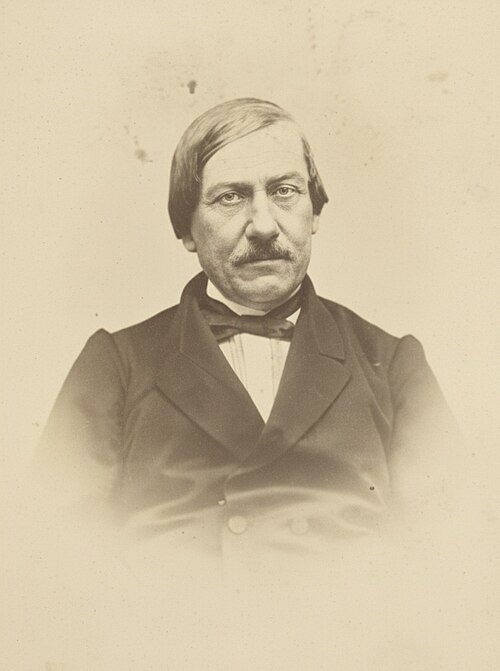
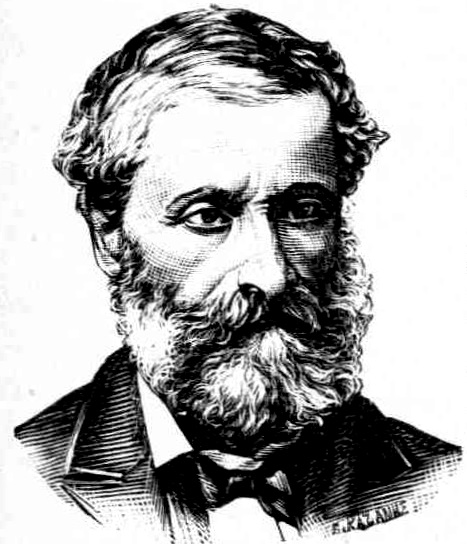
Public-domain pictures from Wikimedia Commons.
A line to remember
αφορισμένος απ' τον κλήρο σαν ασεβής και διωγμένος απ' την Κυβέρνηση σαν διασαλευτής της δημοσίας τάξεως!
aforismenos ap' ton kliro san asevis kai diogmenos ap' tin Kyvernisi san diasaleftis tis dimosias taxeos!
excommunicated by the clergy as impious and driven out by the Government as a disturber of public order!