Life
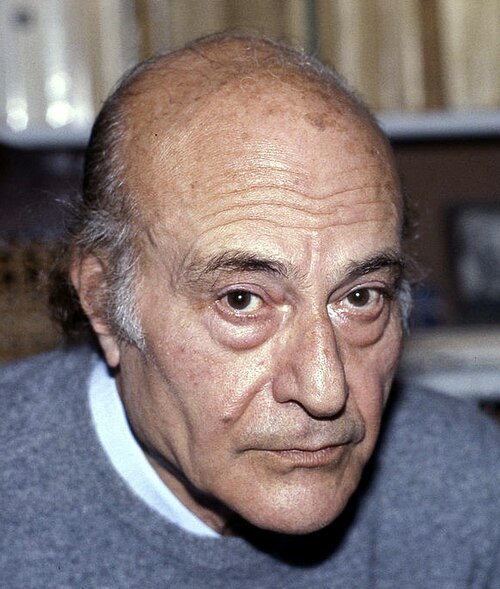
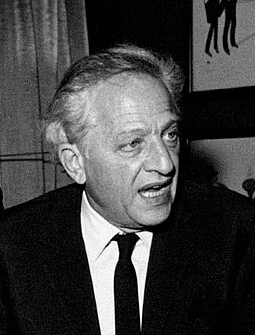
Pantelis Voulgaris was born in Athens in 1940. He studied film direction at the Stavrakos school in Athens and then worked as an assistant director on many productions, learning the craft on other people’s sets. In 1965 he made his first short film, Ο κλέφτης (The Thief), an eighteen-minute black-and-white work that he also wrote.
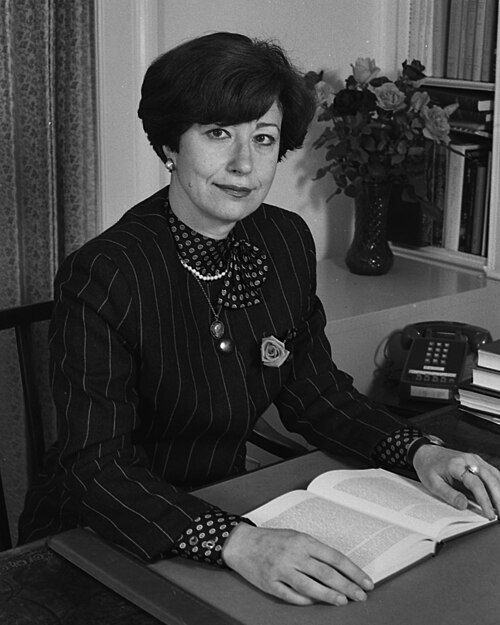
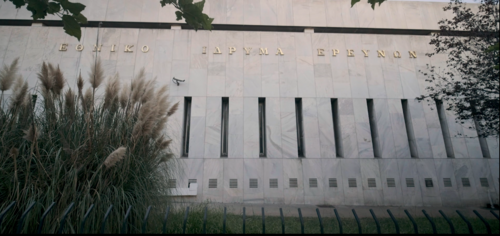
His first feature film, Το προξενιό της Άννας (The Matchmaking of Anna), came out in 1972, during the military dictatorship, and won several awards at that year’s Thessaloniki festival. Press reports of a later retrospective note that the dictatorship sent him into exile at that time. Maria Komninou, president of the Greek Film Archive, has described him as one of the main voices of the new current in Greek cinema that grew in those years.
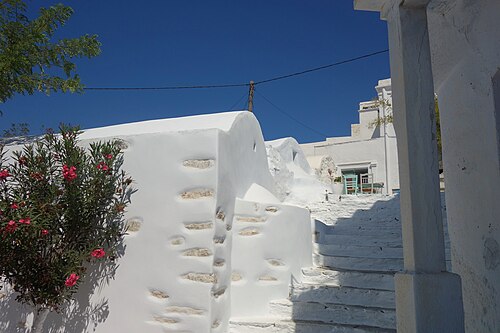
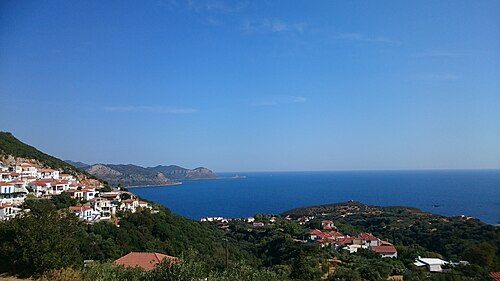
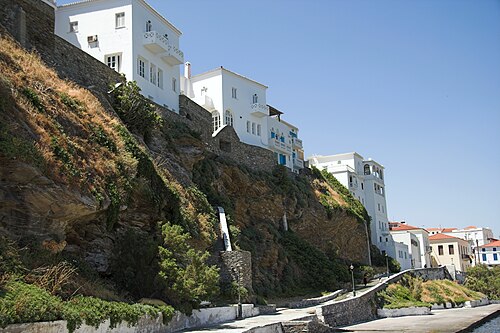
Alongside feature films, Voulgaris has made documentaries for Greek television and has directed for the stage. Several of his best-known films were written with the novelist Ioanna Karystiani, his partner in life and work. He has a long relationship with the island of Andros, where he shot Little England, and he has served as artistic director of the Andros International Festival. In 1995 the Museum of Modern Art in New York presented a mid-career retrospective of his films.
Works
The Matchmaking of Anna follows Anna, a live-in domestic worker with a middle-class Athenian family. She is expected to marry Kosmas, a man from her home village, and they spend a Sunday together. Her employers, unwilling to lose her work, change their minds and press her to stay, and she returns to her narrow life. The Greek Film Archive describes the film as a study of power and submission in the city of the early 1970s.
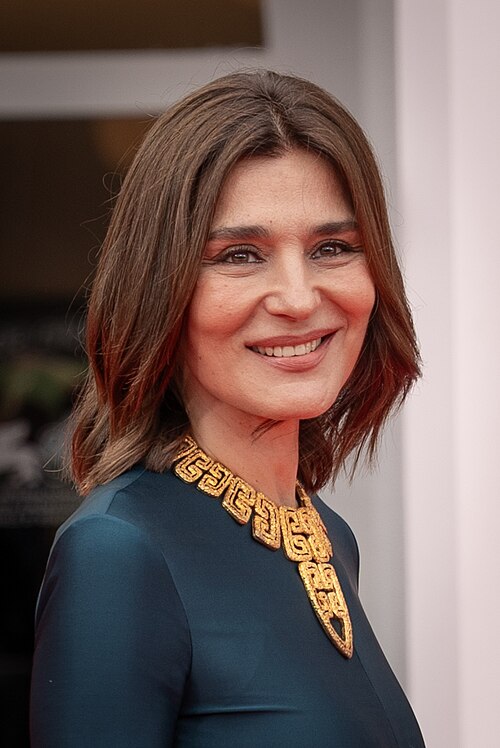
Πέτρινα χρόνια (Stone Years, 1985) tells the story of a young couple of left-wing activists from 1954 to the fall of the dictatorship in 1974: years of hiding, arrests and prison. It received the directing award at the Thessaloniki festival. Νύφες (Brides, 2004), written by Karystiani, follows a ship of Greek brides travelling to America in 1922. Μικρά Αγγλία (Little England, 2013), based on Karystiani’s novel, is set among the seafaring families of Andros in the 1930s and follows two sisters, Orsa and Moscha. At the 2014 Shanghai festival it won Golden Goblets for best film, best director and best actress, for Pinelopi Tsilika. Το τελευταίο σημείωμα (The Last Note, 2017) returns to the occupation: the Haidari camp before the execution of 200 prisoners on 1 May 1944. Across these films, Voulgaris links large historical events to the choices of ordinary people.
Legacy in Greece today
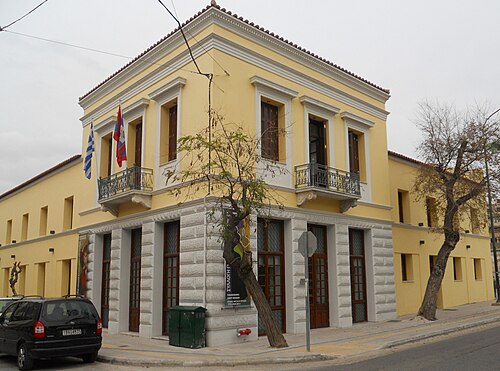
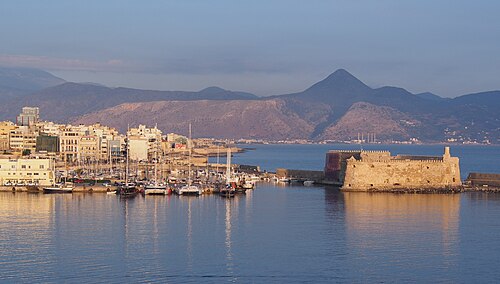
In December 2022 the Greek Film Archive in Athens presented a retrospective of twelve of his feature films and four shorts, organised with the Thessaloniki Film Festival and its film museum. Little England became Greece’s official submission for the Academy Award for best foreign-language film and won six Hellenic Film Academy awards, including best film. For a first step, watch the official trailer of Little England, a Greek-language film, and note three things you see: a house, a street, the sea. Then describe them in order with this page’s Greek: Πρώτα βλέπω το λιμάνι (First I see the harbour), Μετά περπατώ στον δρόμο (Then I walk along the street). These are our own practice sentences, not lines from the film.
Did you know?
- Before directing, he worked as an assistant director on many films.
- The Museum of Modern Art in New York held a retrospective of his films in 1995.
- He was not a candidate for best director at the 2014 Hellenic Film Academy awards, a choice he tends to make so that newer directors gain attention.
- The title The Last Note refers to the last letter that Napoleon Soukatzidis left for Chara Lioudaki in 1944.
Key works
| Greek title | Title | Year |
|---|---|---|
| Το προξενιό της Άννας | The Matchmaking of Anna | 1972 |
| Πέτρινα χρόνια | Stone Years | 1985 |
| Ήσυχες μέρες του Αυγούστου | Quiet Days in August | 1991 |
| Νύφες | Brides | 2004 |
| Μικρά Αγγλία | Little England | 2013 |
| Το τελευταίο σημείωμα | The Last Note | 2017 |
A line to remember
Κάθε φορά που κάνεις μια ταινία δημιουργείς πάντα έναν τόπο που τον συνθέτεις, τον επιλέγεις, τον κατασκευάζεις.
Káthe forá pou káneis mia tainía dimiourgeís pánta énan tópo pou ton synthéteis, ton epilégeis, ton kataskevázeis.
Every time you make a film, you always create a place that you compose, choose and build.