Life
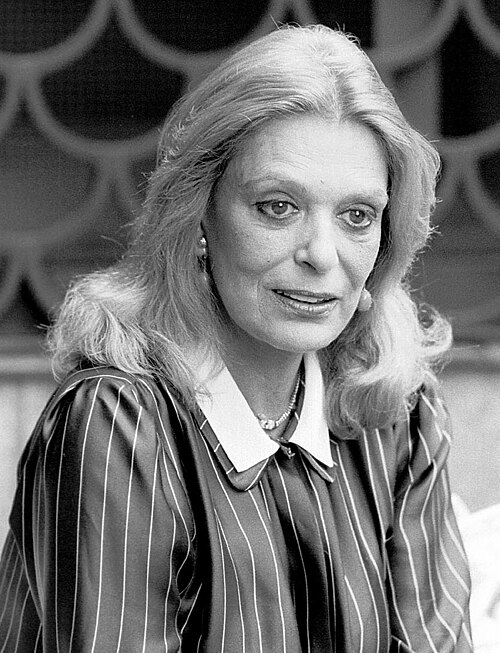
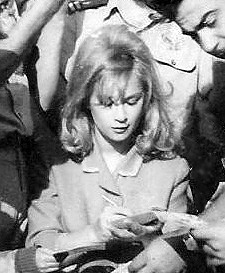
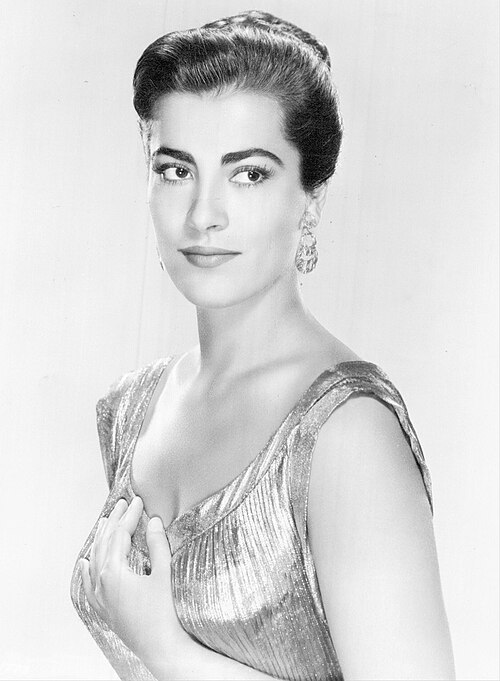
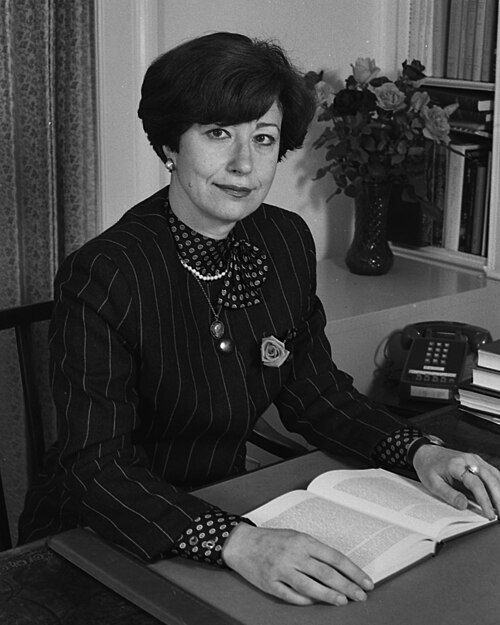
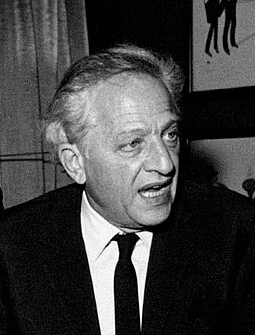
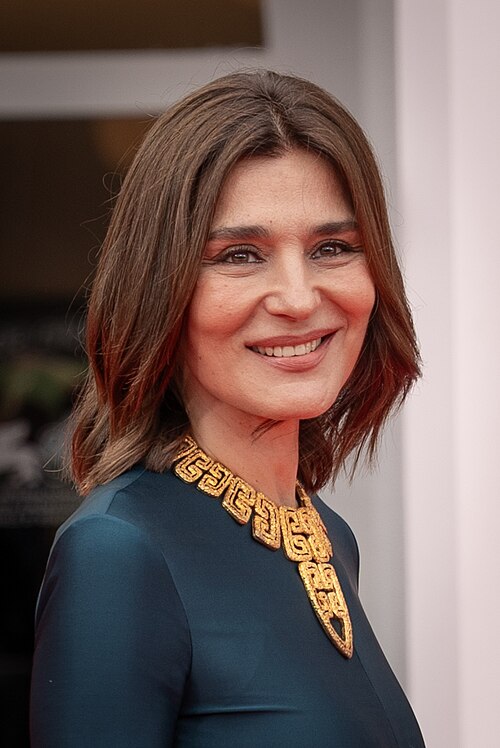
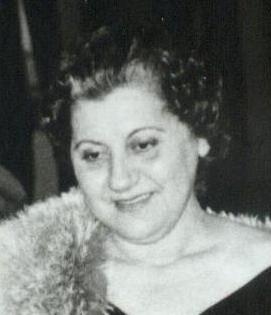
Mary Chronopoulou, also spelled Mairi Chronopoulou or Hronopoulou, was born in Athens on 16 July 1933 and grew up there. According to Finos Film, her parents were not happy about the idea of her becoming an actress. As a member of the Lyceum Club of Greek Women, she took part in auditions held by the director Dimitris Rondiris, and in 1953 the National Theatre hired her as a member of the chorus in its productions of ancient tragedies. Finos Film says that she learned her craft on stage rather than at a drama school; after an examination, a state committee gave her a licence to work as an actress as an exceptional talent.
While she was still new at the National Theatre, she appeared in a silent role in the Finos Film comedy Χαρούμενο ξεκίνημα (Happy Beginning, 1954) by Dinos Dimopoulos. Her official stage debut came in the 1957–58 season at the Akropol theatre, in a comedy by Alekos Sakellarios and Christos Giannakopoulos, next to the great actress Kyveli. She later said that she understood she was a good actress in 1961–62, when audiences cheered her long monologue in the stage production of Κόκκινα φανάρια (Red Lanterns) directed by Alexis Damianos.
From the late 1960s to the early 1980s she often led theatre companies together with stars such as Lambros Konstantaras and Kostas Voutsas. She played in Greek comedies and in popular plays by writers like Neil Simon and Somerset Maugham. She died in Athens on 6 October 2023, aged 90, after a fall at home.
Works
From 1963 Chronopoulou played leading roles in a long series of social dramas, mostly as a stylish lady or a femme fatale, opposite the leading men of the time, among them Nikos Kourkoulos and Alekos Alexandrakis. Vasilis Georgiadis's film Τα κόκκινα φανάρια (The Red Lanterns, 1963) was Greece's entry at the Academy Awards and one of the five nominees for Best Foreign Language Film. For Finos Film she made dramas such as Χωρίς ταυτότητα (Without Identity, 1963) and Πολύ αργά για δάκρυα (Too Late for Tears, 1968) by Giannis Dalianidis, and Η λεωφόρος του μίσους (The Boulevard of Hate, 1968) and Ορατότης μηδέν (Visibility Zero, 1970) by Nikos Foskolos.
Between these dramas she starred in three Dalianidis musicals for Finos Film: Οι θαλασσιές οι χάντρες (The Sea-Blue Beads, 1967), Μια κυρία στα μπουζούκια (A Lady at the Bouzoukia, 1968) and Γοργόνες και μάγκες (Mermaids and Rascals, 1968). In A Lady at the Bouzoukia she also sang two famous film songs with music by Mimis Plessas: Είμαι γυναίκα του γλεντιού (I Am a Woman Who Loves a Party) and Του αγοριού απέναντι (To the Boy Across the Street). From the late 1970s she made fewer films, but she worked with Theo Angelopoulos in Οι κυνηγοί (The Hunters, 1977) and Ταξίδι στα Κύθηρα (Voyage to Cythera, 1984). For Τα παιδιά της χελιδόνας (The Children of the Swallow, 1987) by Kostas Vrettakos she won the best actress award at the Thessaloniki Festival of Greek Cinema.
Legacy in Greece today
Finos Film keeps an artist page for Chronopoulou with her dates, a few of her sayings and a list of her sixteen Finos films, and it calls her one of the most popular Greek actresses until her death. In 2021 the Hellenic Film Academy gave her an honorary Iris award for her contribution to Greek cinema. In November 2023 the Thessaloniki International Film Festival held a special screening in her memory. For a Greek task, open the film list on her Finos Film page and choose three titles. Find the article at the start of each title: η in Η λεωφόρος του μίσους (The Boulevard of Hate), οι in Οι θαλασσιές οι χάντρες (The Sea-Blue Beads), το in Το παρελθόν μιας γυναίκας (A Woman's Past). Then say a sentence with Μου αρέσει η ταινία… (I like the film…).
Did you know?
- Her first film appearance, in 1954, was a silent role: she had no lines at all.
- According to Finos Film, she never attended a drama school; she received her licence to act as an exceptional talent.
- In A Lady at the Bouzoukia she sang two songs by Mimis Plessas that are still well known in Greece.
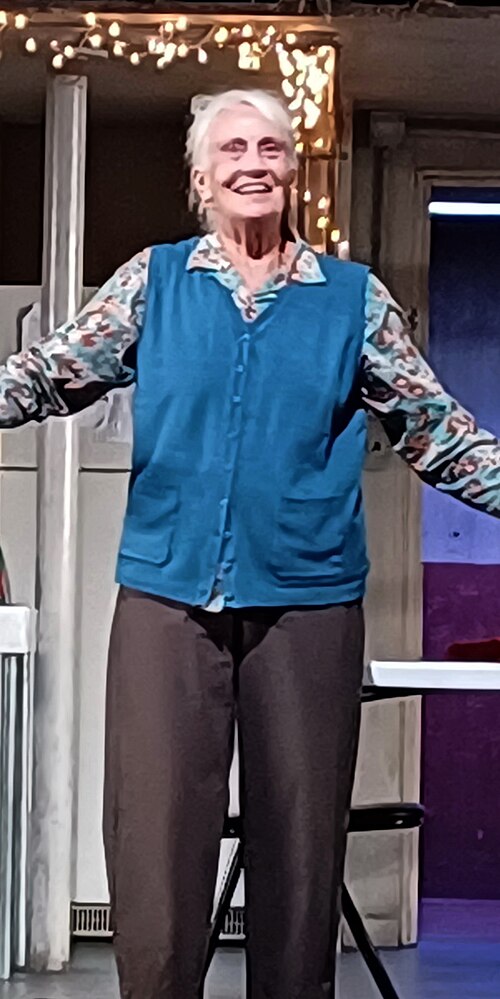
- Accepting her honorary award in 2021, she joked that the applause was for her courage in returning to a stage after 25 years, with a walking stick.
Key works
| Greek title | Title | Year |
|---|---|---|
| Τα κόκκινα φανάρια | The Red Lanterns | 1963 |
| Χωρίς ταυτότητα | Without Identity | 1963 |
| Οι θαλασσιές οι χάντρες | The Sea-Blue Beads | 1967 |
| Μια κυρία στα μπουζούκια | A Lady at the Bouzoukia | 1968 |
| Ορατότης μηδέν | Visibility Zero | 1970 |
| Τα παιδιά της χελιδόνας | The Children of the Swallow | 1987 |
A line to remember
Τον κινηματογράφο τον λάτρεψα από την πρώτη στιγμή κι αυτός με αγάπησε με τη σειρά του και μου έδωσε μεγάλες χαρές.
Ton kinimatográfo ton látrepsa apó tin próti stigmí ki aftós me agápise me ti sirá tou ke mou édose megáles charés.
I adored cinema from the very first moment, and it loved me back and gave me great joys.