Life
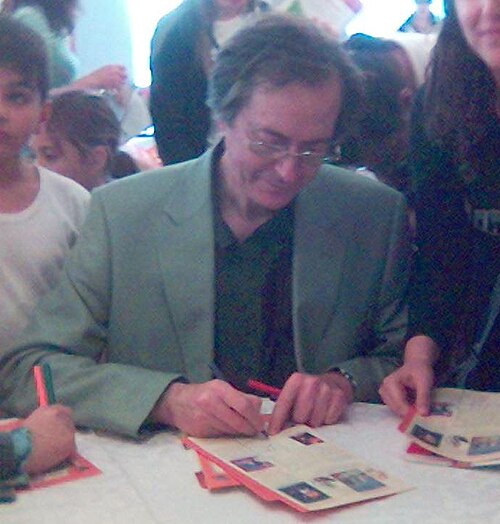
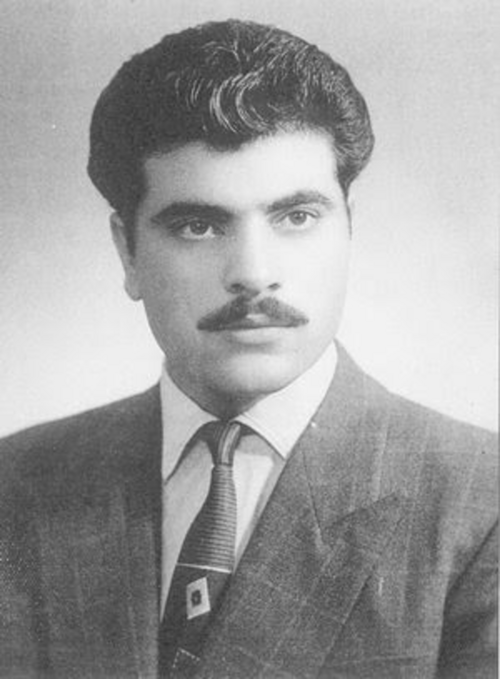
Grigoris Bithikotsis was born on 11 December 1922 in Peristeri, then a poor district on the western edge of Athens, into a large family. He worked as a plumber and played the guitar. He first met Mikis Theodorakis in 1948, during his military service, when Theodorakis was a political prisoner. In 1949 he entered the record business as a composer, with «Το καντήλι τρεμοσβήνει», and through the 1950s he sang the popular λαϊκό song in the small music halls of Athens without becoming a star.
Everything changed in 1960, when the composer Mikis Theodorakis, back from Paris, was looking for a popular voice for his new songs on poems by Giannis Ritsos. Theodorakis wanted a singer of the people, not an opera voice, and he chose Bithikotsis. Their recording of the Επιτάφιος (Epitaphios) was a sensation, and for the next years the two worked together almost constantly: concert halls, open-air theatres, records that sold in huge numbers. During the military dictatorship (1967–1974), when Theodorakis' music was banned, Bithikotsis kept singing the popular repertoire and recorded with many other composers.
He went on performing into old age, in clubs and on television, and remained a much-loved figure, simple and humorous in his interviews. He died in Marousi, Athens, on 7 April 2005, at the age of 82.
Works

Bithikotsis' great gift was to make difficult poetry sound like everyday song. In the Επιτάφιος (Epitaphios, 1960), Ritsos' lament of a mother over her son killed in a strike, he sang with a bouzouki behind him, as in a taverna, and the poem reached people who had never opened a book of verse. In Επιφάνεια (Epiphany, 1962) he sang Seferis' lines in the song known as Άρνηση (Denial), «Στο περιγιάλι το κρυφό», which every Greek knows by heart.
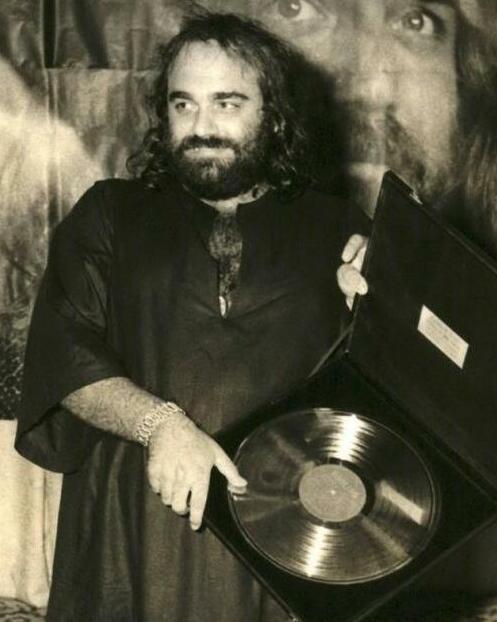
His most famous work is Το Άξιον Εστί (Axion Esti, «It Is Worthy»), the oratorio Theodorakis wrote on Odysseas Elytis' long poem, first performed in 1964. Bithikotsis is the «popular singer» of the work, and his songs from it, Ένα το χελιδόνι (One Swallow) and Της δικαιοσύνης ήλιε νοητέ (Intelligible Sun of Justice), became hymns of hope and freedom. Beside these great cycles he recorded hundreds of popular songs, and wrote some himself, such as Του Βοτανικού ο μάγκας (The Tough Guy of Votanikos); in all he composed more than two hundred songs. His voice was not polished: it was strong, warm and a little rough, the voice of a neighbour, and that is exactly why Greeks trusted it.
Legacy in Greece today
To meet Bithikotsis, listen to Ένα το χελιδόνι from Το Άξιον Εστί, and then to Άρνηση: both are sung at school celebrations, at concerts and around the table at summer gatherings. The original 1960s recordings of the Epitaphios and the Axion Esti, with his voice, are easy to find online. In Peristeri, his home district, his name is honoured by the municipality, and Greek television often shows his old performances with Theodorakis. Many Greeks still say that no one has sung Theodorakis like him. On this site you can read about the poets whose words he sang, Ritsos and Elytis, and about Theodorakis himself.
Did you know?
- Theodorakis chose him for the Epitaphios in 1960 precisely because he was a popular singer, not a trained classical voice.
- He sang the words of two Nobel Prize poets, Seferis and Elytis, long before most of his listeners read them.
- He also wrote and composed some of his own popular songs.
- He was born in Peristeri, a working-class district of western Athens, and always presented himself as a man of the neighbourhood.
Key works
| Greek title | Title | Year |
|---|---|---|
| Επιτάφιος | Epitaphios (Theodorakis on Ritsos) | 1960 |
| Επιφάνεια – «Άρνηση» | Epiphany – Denial (Theodorakis on Seferis) | 1962 |
| Το Άξιον Εστί | Axion Esti (Theodorakis on Elytis) | 1964 |
| Ένα το χελιδόνι | One Swallow (from Axion Esti) | 1964 |
| Του Βοτανικού ο μάγκας | The Tough Guy of Votanikos (his own song) |
A line to remember
Ένα το χελιδόνι κι η άνοιξη ακριβή
Ena to chelidoni ki i anoixi akrivi
One single swallow, and spring comes at a high price