Life
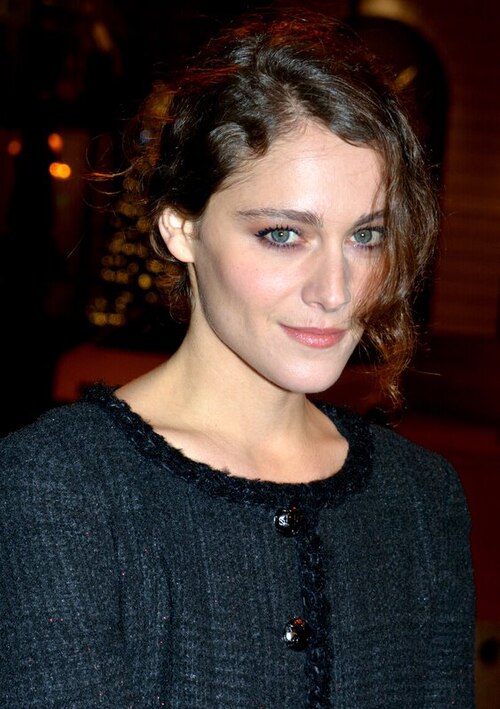
Ismini Kapandai was born in Athens in 1939 and grew up in the Kolonaki district, in a house full of books. In a 2020 interview with the Greek magazine LiFO she said that reading had supported her through every period of her life. Her mother had roots in Asia Minor and had studied in London; her father was a mechanical and electrical engineer. She married the poet and sculptor Vasos Kapantais, whose family came from Pergamon and who died in 1990.
Her writing grew out of conversations with her husband about what it means to be a modern Greek, a νεοέλληνας. That question led her to read about Greek uprisings under Ottoman rule, and the research became her first book, Επτά φορές το δαχτυλίδι (Seven Times the Ring), published by Estia in 1989. Απειρωτάν και Τούρκων (Of Epirotes and Turks) followed in 1990. It received the Christian Letters Prize in 1990 and the Ourani Prize of the Academy of Athens in 1992. She has since published more than ten novels with Estia, Kastaniotis and Ikaros, as well as a children’s book, illustrated albums on the Greeks of Asia Minor and the churches of Constantinople, short stories in newspapers and magazines, and texts for documentaries. She also translates into Greek, from Mary Shelley’s Mathilda to Anthony Trollope’s Barchester Towers. In 2001 the literary journal Εξώπολις (Exopolis) devoted a group of pages to her work, including a long interview.
Works

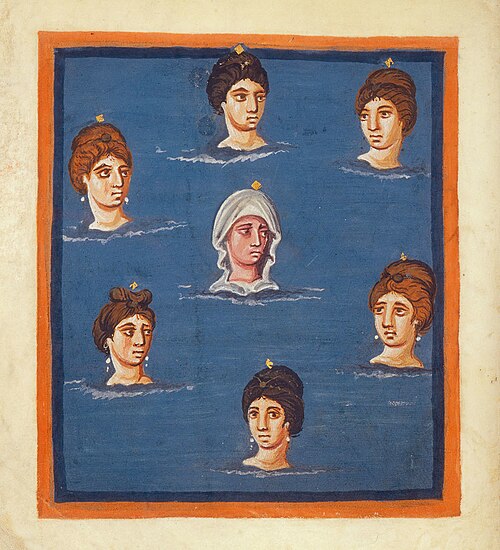
Most of Kapandai’s novels are historical, but she has said that her aim is “the truth of the literary text”, not a history lesson. Το άλας της γης (The Salt of the Earth, 2002) is set in Thessaloniki in the first half of the fourteenth century, during a conflict inside the ruling class that turned into a struggle between social classes. Εμείς έχουμε εμάς (We Have Ourselves, 2007) moves between Epirus, the Ionian Islands and Italy under Ottoman rule. Σικελικός Εσπερινός (Sicilian Vespers) begins in Venetian Crete in the reign of Emperor Michael VIII Palaiologos and the Union of the Churches of 1274, then travels to Sicily and Constantinople. Η Φλώρια των νερών (Floria of the Waters, 1999), a love story about the outsider and the problem of belonging, reached English readers in 2002 in Rick Newton’s translation, which won the Modern Greek Studies Association’s Elizabeth Constantinides Memorial Translation Prize.
She also writes about more recent times. Με θέα τη ζωή (With a View of Life, 2009) follows a woman who tells the rise and fall of her family across the twentieth century, and Αστική οικία στο Χαλάνδρι (A Townhouse in Halandri, 2017) is a crime novel set in an Athens suburb in the mid-1990s. Το βρωμερόν ύδωρ της λήθης (The Foul Water of Oblivion, 2020) returns to Athens just after the assassination of Ioannis Kapodistrias in 1831; its title comes from the anonymous 1806 text Ελληνική Νομαρχία. Her books have also been published in Montreal, Sofia, Belgrade and Milan.
Legacy in Greece today
Kapandai’s novels remain in print with Kastaniotis and Ikaros, and cultural centres and municipal libraries in Attica have invited her to reading-club meetings, in Chalandri in 2010 and in Aspropyrgos in 2018. The Centre for the Greek Language lists the 2001 Εξώπολις pages about her in its online journal archive. For a first step in Greek, take one setting from this page: Θεσσαλονίκη, 14ος αιώνας (Thessaloniki, 14th century) or Αθήνα, 1831 (Athens, 1831). Ask Πού; (Where?) and Πότε; (When?), then answer with two short sentences of your own: Η ιστορία είναι στη Θεσσαλονίκη. Είναι ο 14ος αιώνας (The story is in Thessaloniki. It is the 14th century). These practice sentences are ours, not quotations from her books.
Did you know?
- Her first book grew out of conversations with her husband about what makes a modern Greek.
- The English translation of Η Φλώρια των νερών won its translator a prize in 2002.
- The title Το βρωμερόν ύδωρ της λήθης comes from an anonymous Greek text of 1806.
- She has translated Mary Shelley’s Mathilda into Greek.
Key works
| Greek title | Title | Year |
|---|---|---|
| Επτά φορές το δαχτυλίδι | Seven Times the Ring | 1989 |
| Απειρωτάν και Τούρκων | Of Epirotes and Turks | 1990 |
| Η Φλώρια των νερών | Floria of the Waters | 1999 |
| Το άλας της γης | The Salt of the Earth | 2002 |
| Εμείς έχουμε εμάς | We Have Ourselves | 2007 |
| Το βρωμερόν ύδωρ της λήθης | The Foul Water of Oblivion | 2020 |
A line to remember
Όταν, λοιπόν, ως πολίτες δεν γνωρίζουμε το παρελθόν, πώς είναι δυνατόν να κατανοήσουμε το παρόν;
Ótan, lipón, os polítes den gnorízoume to parelthón, pos íne dynatón na katanoísoume to parón?
So when, as citizens, we do not know the past, how can we possibly understand the present?