Life
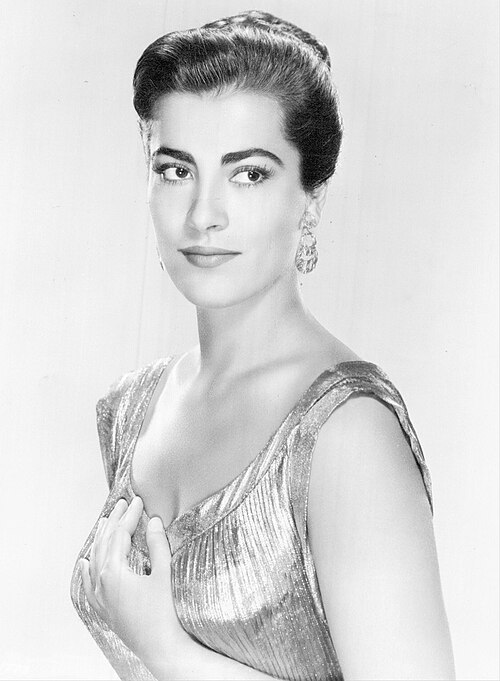
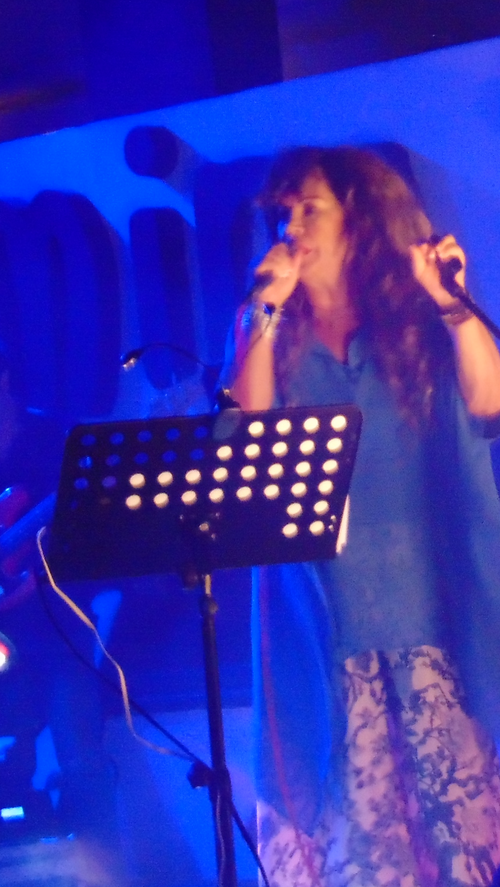
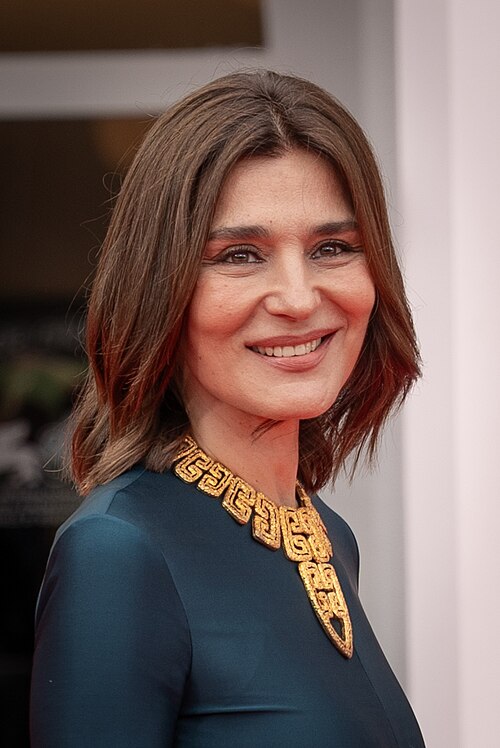
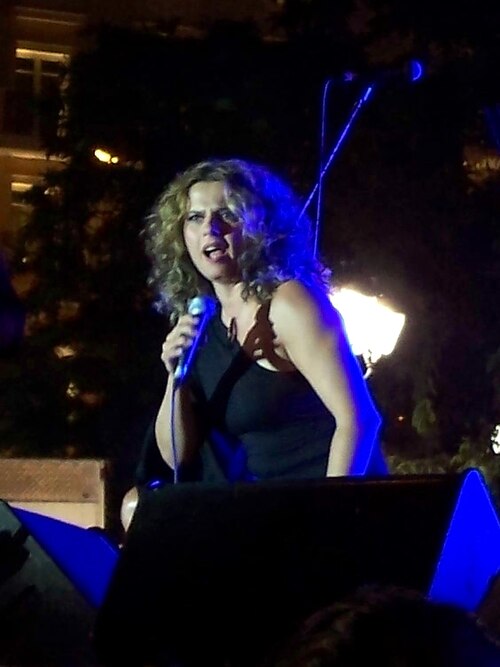
Eleni Tsaligopoulou was born on 11 April 1963 in Naousa, a town in Imathia in Central Macedonia, and grew up there. She began singing professionally in 1985. Two years later her career moved onto a national stage. In 1987 the composer Manos Hadjidakis invited her to appear at the Athens music stage Seirios as a performer of songs by Stamatis Spanoudakis. That summer she joined Giorgos Dalaras on a long tour of Greece, Europe and America. Her first album, Σώπα κι άκουσε (Be Quiet and Listen), came out on Lyra the same year, built around songs by Giorgos Zikas and with Dalaras as a guest.
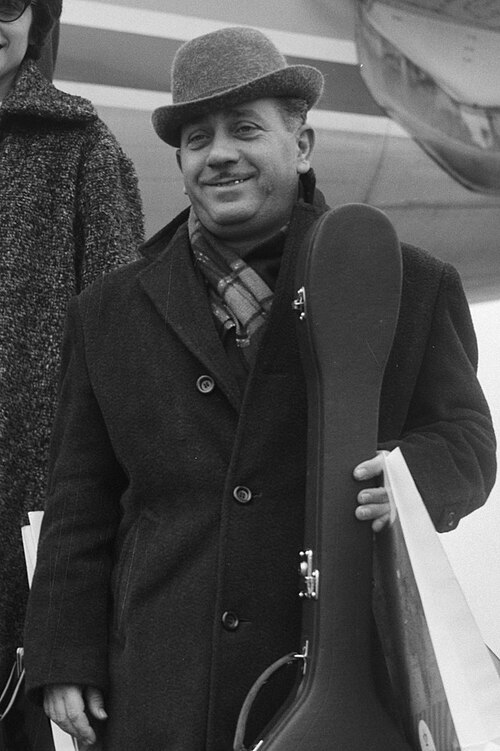
The album Κορίτσι και γυναίκα (Girl and Woman), released by Lyra at the end of 1989 with music by Giorgos Andreou, made her voice widely known. Through the 1990s she became one of the familiar names of the new έντεχνο song, with albums such as Αρζεντίνα (Arzentina) in 1996 and Στην εποχή του ονείρου (In the Season of the Dream) in 1998. In a 2018 interview she said that she started out singing Smyrna songs, laika and rebetiko, although most of what she has recorded leans towards pop. Later albums include Των φίλων τα σπίτια (Friends’ Houses), a 16-song album from 2018, and Ο δικός μου Απόστολος Καλδάρας (My Own Apostolos Kaldaras), released by Minos-EMI in 2023.
Works

Tsaligopoulou is above all an interpreter: she chooses songs, shapes them with her voice and gives them a new life on stage. Κορίτσι και γυναίκα joined a light, acoustic sound of guitars, santoor, clarinet and strings with Giorgos Andreou’s melodies, and it remains her best-known early record. In 2005 she released Αγαπημένο μου ημερολόγιο… (My Dear Diary…), a live recording from her shows called «Της Ελενίτσας» (Elenitsa’s), after the affectionate nickname many listeners use for her. Its 26 tracks mix traditional songs such as Νεραντζούλα and Πέρδικα (Partridge) with older popular songs, close to the repertoire she began with.
On Των φίλων τα σπίτια (2018) she also wrote music for several songs, together with Spyros Chatzikonstantinou, while poets and songwriters such as Kostas Leivadas supplied lyrics. She told an interviewer that she does not see herself as a composer, but that after more than thirty years of singing she has her own musical code. Her 2023 album returns to the laiko composer Apostolos Kaldaras, with new versions of famous songs such as Η Φαντασία (Imagination) and less familiar ones. In her album note she described friends around a table by the fireplace, then a studio session recorded by Giorgos Andreou “without a metronome”, all together.
Legacy in Greece today
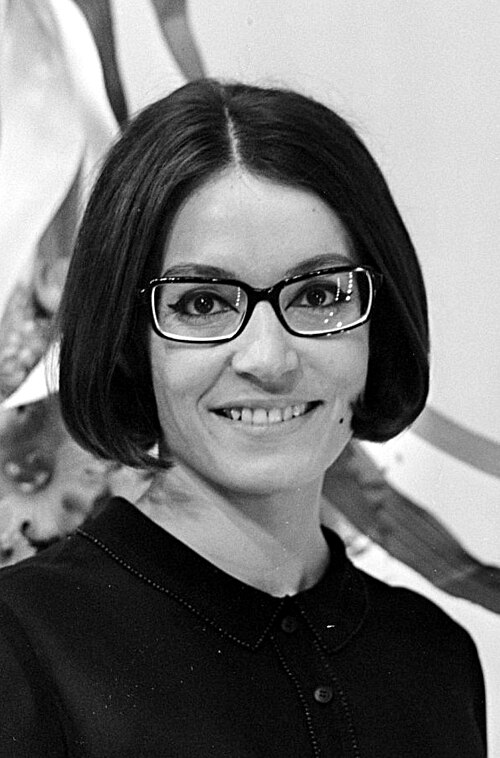
Tsaligopoulou belongs to the generation that carried έντεχνο song through the 1990s, and she still keeps older laika and traditional songs in her concerts. She has named Marika Ninou as her favourite singer and one of her heroines. Try a small listening task: play Νεραντζούλα on Αγαπημένο μου ημερολόγιο…, then another recording of the same traditional song. Traditional songs often exist in several regional versions, so there is no single correct one. Write one sentence in Greek about what you notice, for example Η φωνή είναι ζωντανή (The voice is lively), and then name one difference: η διαφορά είναι στον ρυθμό (the difference is in the rhythm). These are our own practice sentences, not lyrics.
Did you know?
- Many listeners call her Ελενίτσα (little Eleni); Dimitra Galani once told her she would still be Elenitsa at eighty.
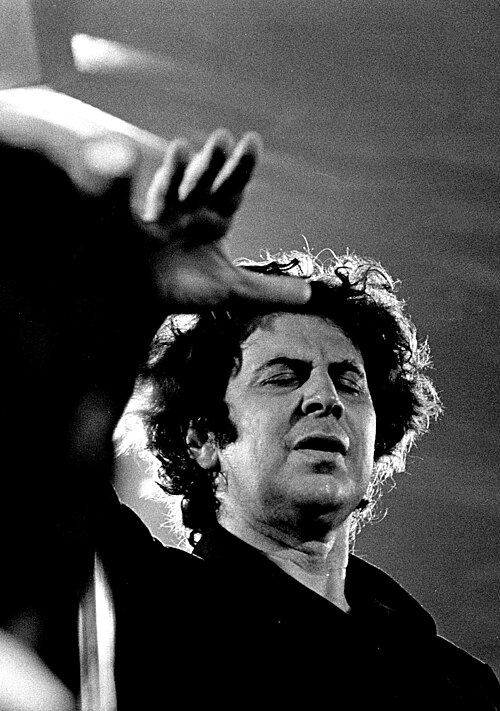
- Only two years after her professional debut, Manos Hadjidakis invited her to sing at Seirios in 1987.
- She has said that she usually takes off her high heels during a concert, and audiences now expect it.
- Her Kaldaras album was recorded in the studio all together, without a metronome.
Key works
| Greek title | Title | Year |
|---|---|---|
| Σώπα κι άκουσε | Be Quiet and Listen | 1987 |
| Κορίτσι και γυναίκα | Girl and Woman | 1989 |
| Αρζεντίνα | Arzentina | 1996 |
| Αγαπημένο μου ημερολόγιο… | My Dear Diary… — live album | 2005 |
| Των φίλων τα σπίτια | Friends’ Houses | 2018 |
| Ο δικός μου Απόστολος Καλδάρας | My Own Apostolos Kaldaras | 2023 |
A line to remember
Η αλήθεια δεν με έχει προδώσει ποτέ.
I alítheia den me échei prodósei poté.
The truth has never betrayed me.