Life
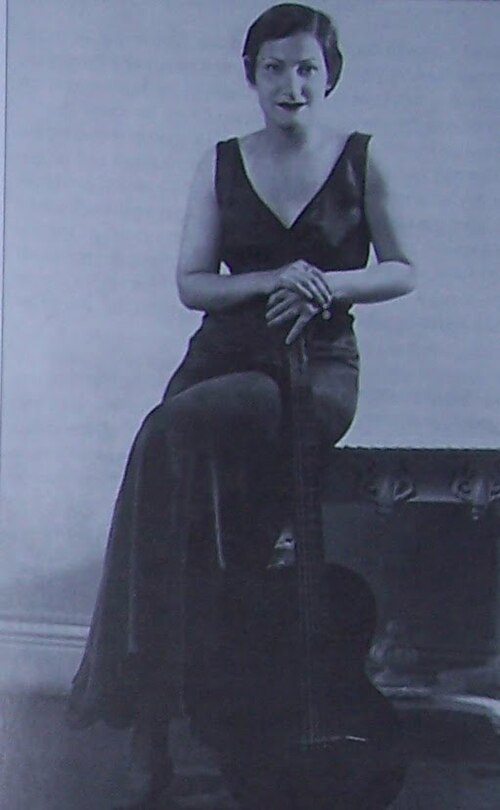
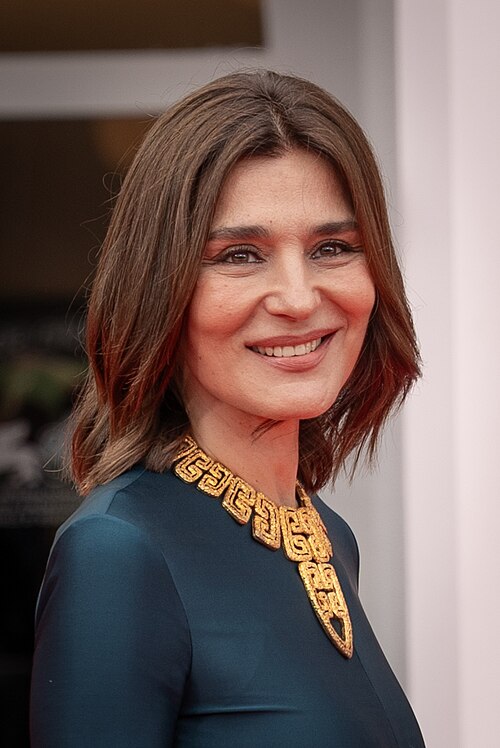
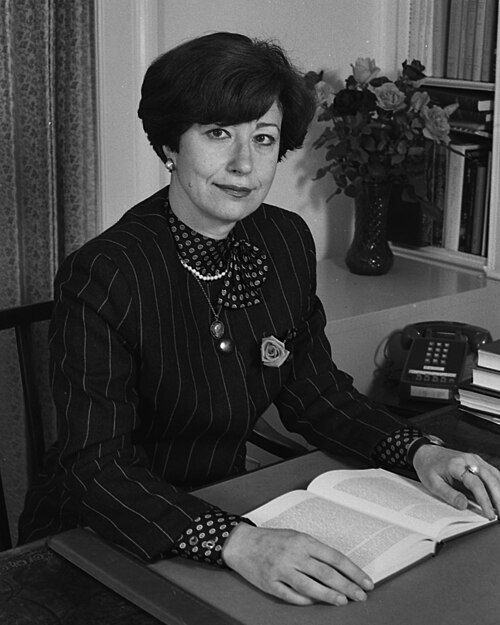
Angeliki Laiou was born in Athens in 1941. She began her studies at the University of Athens, where the Byzantine historian Dionysios Zakythinos was among her teachers, and then continued in the United States. She took a BA at Brandeis University in 1961 and a PhD at Harvard in 1966, supervised by Robert Lee Wolff. Some of her early books appeared under the name Laiou-Thomadakis.
She taught at Harvard, then at Brandeis and at Rutgers, where she became a distinguished professor. In 1978–79 she was the Samuel H. Kress Professor at the American School of Classical Studies at Athens, in charge of its Gennadius Library. In 1981 she returned to Harvard as Dumbarton Oaks Professor of Byzantine History, and in 1985 she became the first woman to chair Harvard’s history department. From 1989 to 1998 she directed Dumbarton Oaks in Washington, D.C., Harvard’s research centre for Byzantine studies.
In 1998 she became a member of the Academy of Athens. In 2000 she was elected to the Greek Parliament and briefly served as deputy minister of foreign affairs, working in particular on cultural and intellectual relations with Turkey. She then returned to full-time teaching at Harvard. She died in Massachusetts on 11 December 2008 and was buried in Greece.
Works

Laiou studied the Byzantine Empire, the medieval Greek-speaking state centred on Constantinople, not only through emperors and wars but through economic and social life. Her first book, Constantinople and the Latins (1972), grew out of her doctoral thesis and examined late Byzantine foreign policy, including relations with Venice and Genoa. Peasant Society in the Late Byzantine Empire (1977) applied demographic methods to rural society: villages, households, family and kinship. It argued that the peasant population fell in the fourteenth and fifteenth centuries mainly because of internal social change rather than disasters.
Marriage, sex and the position of women became a major theme. Her lectures at the Collège de France became Mariage, amour et parenté à Byzance (Marriage, Love and Kinship in Byzantium, 1992). At Dumbarton Oaks she organised a 1989 symposium on the Byzantine family and household, and with Hélène Ahrweiler she edited studies of migration and diaspora within the empire.
Her largest project was The Economic History of Byzantium (2002), three volumes on production, cities, trade and the state. As editor-in-chief she gathered specialists and wrote eight chapters herself. A Greek edition, Οικονομική ιστορία του Βυζαντίου (Economic History of Byzantium), appeared in Athens in 2006. With Cécile Morrisson she then wrote a shorter synthesis, The Byzantine Economy (2007).
Legacy in Greece today
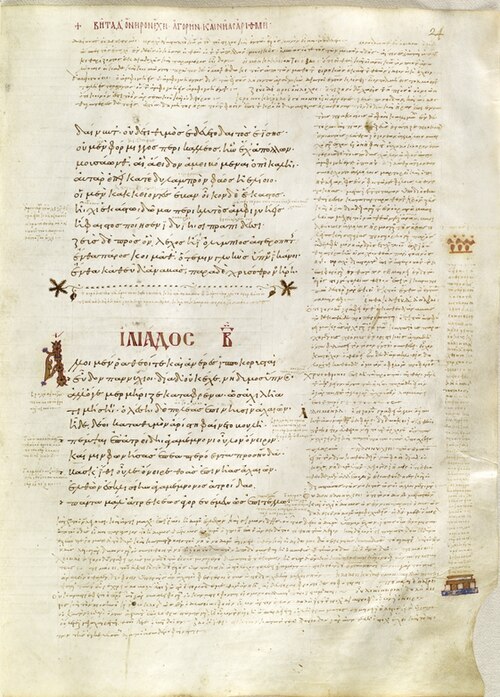
Laiou helped change how Byzantium is studied in Greece and abroad: as a society of families, villages, markets and laws, not only of emperors. Her great economic history exists in English and in a Greek edition, and Dumbarton Oaks makes the English volumes free to read online. Try a small task: look at the Greek title Οικονομική ιστορία του Βυζαντίου and find the word for history (ιστορία) and the word that comes from οικονομία (economy). Then use the Greek passage on this page to make three short sentences of your own with το σπίτι (the house), η οικογένεια (the family) and το εμπόριο (trade), for example Η οικογένεια μένει σε ένα σπίτι (The family lives in a house). These are our own practice sentences, not quotations from her books.
Did you know?
- In 1985 she became the first woman to chair Harvard’s history department.
- She was the second woman to become a regular member of the Academy of Athens.
- She began her studies in Athens with the Byzantine historian Dionysios Zakythinos.
- The English volumes of The Economic History of Byzantium can be read free online.
Key works
| Greek title | Title | Year |
|---|---|---|
| Constantinople and the Latins | Constantinople and the Latins — late Byzantine foreign policy | 1972 |
| Peasant Society in the Late Byzantine Empire | Peasant Society in the Late Byzantine Empire | 1977 |
| Mariage, amour et parenté à Byzance | Marriage, Love and Kinship in Byzantium — Collège de France lectures | 1992 |
| The Economic History of Byzantium | The Economic History of Byzantium — three volumes, editor-in-chief | 2002 |
| Οικονομική ιστορία του Βυζαντίου | Economic History of Byzantium — Greek edition, Athens | 2006 |
| The Byzantine Economy | The Byzantine Economy — with Cécile Morrisson | 2007 |
A line to remember
Είναι κοινά γνωστό ότι η Βυζαντινή Αυτοκρατορία διήρκεσε πάνω από χίλια χρόνια.
Eínai kiná gnostó óti i Vyzantiní Aftokratoría diírkese páno apó chília chrónia.
It is common knowledge that the Byzantine Empire lasted for more than a thousand years.