Life
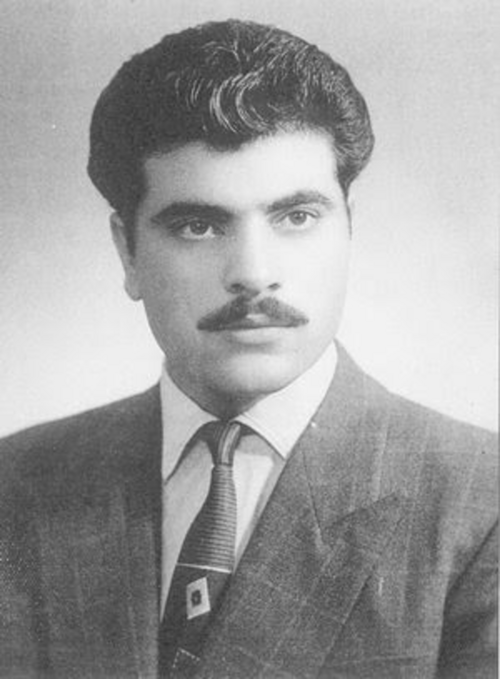
Zambetas was born in Athens on 25 January 1925. As a boy he helped in his father's barbershop, where he secretly made up his first tunes on the bouzouki, and meeting Vassilis Tsitsanis in 1938 left a deep mark on him. He took up the instrument at a time when the instrument still belonged to the rebetiko underworld and respectable families looked down on it. He learned by ear and by playing, in small taverns and clubs, through the hard years of the German Occupation and the Civil War. By the 1950s, when the bouzouki was moving from the margins to the centre of Greek popular music, he was one of its best-known players in Athens.
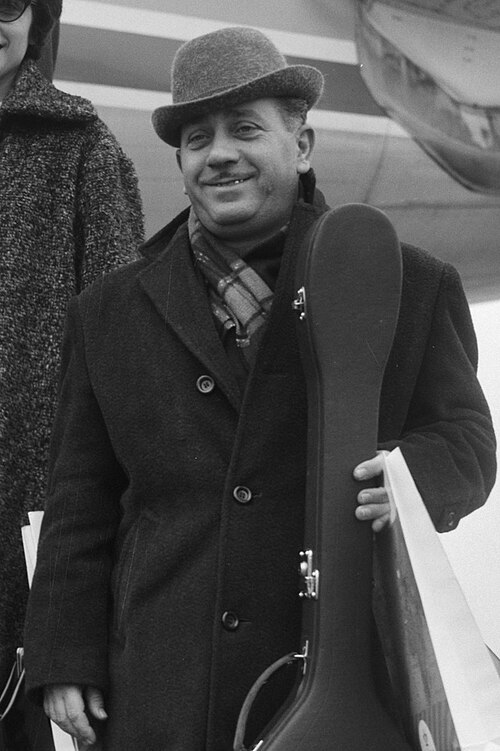
His real stage was the κέντρο, the night club with live music, where he played for decades. Audiences came for his technique, which was fast, bright and full of tricks, but also for the man himself: he laughed, joked with the musicians, sang, and sometimes stood up to dance while he played. In the 1960s Greek cinema was at its peak, and producers wanted bouzouki scenes; Zambetas appeared in many films, often as himself, playing in a taverna while the stars danced. By some counts he took part in more than 160 Greek films. He also helped young singers: Dimitris Mitropanos called him his great teacher. He went on performing into the 1980s and died in Athens on 10 March 1992. He was remembered above all as a musician who made people happy.
Works

Zambetas was two things at once: an instrumentalist and a songwriter. As a player he belonged to the generation, after Manolis Chiotis, that turned the bouzouki into a virtuoso instrument. His solos and taximia, the free improvised introductions before a song, were quick and witty, and he liked to surprise the audience with sudden changes of rhythm. He played the zeibekiko, the hasapiko and the fast hasaposerviko, the dances that anyone in a Greek taverna recognises.
As a composer he wrote a large number of popular songs, many of which he sang himself in a warm, slightly rough voice. Among the best loved are Δεν έχει δρόμο να διαβώ (There Is No Road for Me to Take, 1963), Τα δειλινά (Evenings, 1964), sung by Vicky Moscholiou, the bouzouki instrumental Σήκω χόρεψε συρτάκι (Get Up and Dance a Syrtaki, 1965) and Αγωνία (Anguish, 1970), sung by Tolis Voskopoulos. They are songs about love, travel, wine and dancing, with tunes that are easy to remember and rhythms made for the dance floor. Many were heard in the cinema, and the films kept them alive: each time an old black-and-white comedy is shown on Greek television, a new generation sees Zambetas grinning over his bouzouki. His music has none of the darkness of the old rebetiko; it is the sound of an Athens that was poor but hopeful, going out at night to forget the day.
Legacy in Greece today
Greek television still shows the films of the 1960s almost every week, and Zambetas is in many of them: watching one is the easiest way to meet him. His songs are on every playlist of classic λαϊκά (popular songs), and bouzouki players still study his recordings for their speed and humour. Try listening to Τα δειλινά or Σήκω χόρεψε συρτάκι, then watch the dance scenes with Aliki Vougiouklaki and other stars of the period. The Greek word κέφι, joy, high spirits, is the word people most often use for him, and you will hear it at every party with live music.
Did you know?
- He played the bouzouki at a time when many Greek families thought it an instrument of the underworld; he lived to see it become the national instrument.
- In many of his film appearances he simply plays himself: the bouzouki player of the taverna.
- He sang many of his own songs himself, in a warm, slightly rough voice.
Key works
| Greek title | Title | Year |
|---|---|---|
| Δεν έχει δρόμο να διαβώ | There Is No Road for Me to Take (song) | 1963 |
| Τα δειλινά | Evenings (song, sung by Vicky Moscholiou) | 1964 |
| Σήκω χόρεψε συρτάκι | Get Up and Dance a Syrtaki (bouzouki instrumental) | 1965 |
| Αγωνία | Anguish (song, sung by Tolis Voskopoulos) | 1970 |
| Εμφανίσεις σε ταινίες της χρυσής εποχής | Appearances in films of the golden age of Greek cinema | 1950s–1960s |
From the works

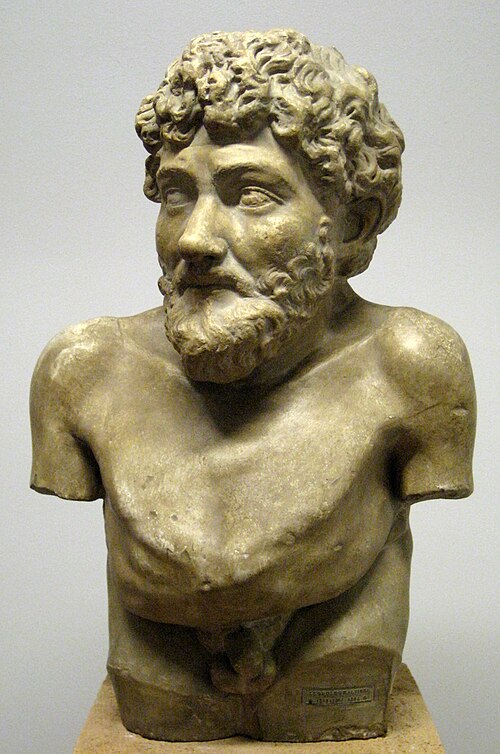
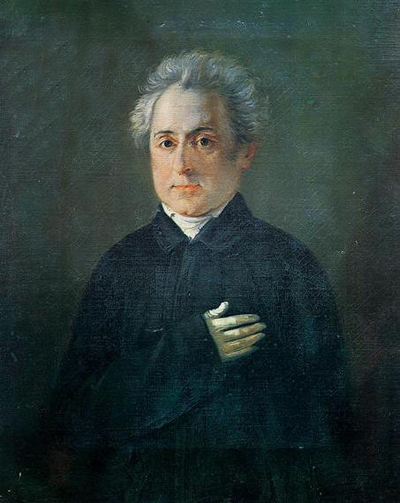
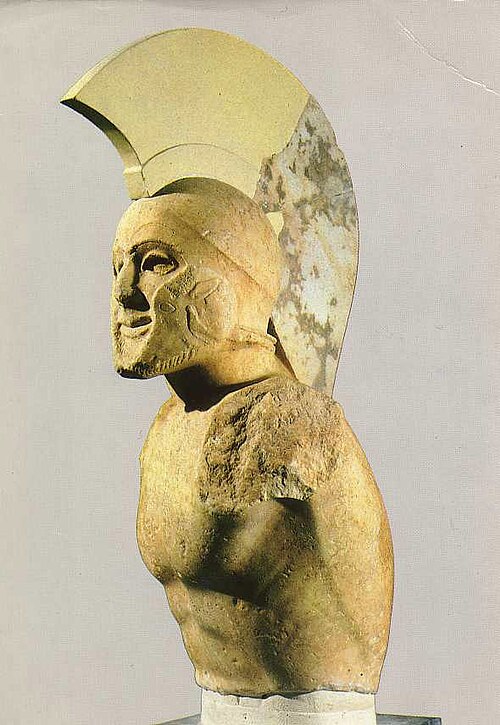
Public-domain pictures from Wikimedia Commons.
A line to remember
Σήκω χόρεψε συρτάκι
Siko chorepse syrtaki
Get up and dance a syrtaki