Life
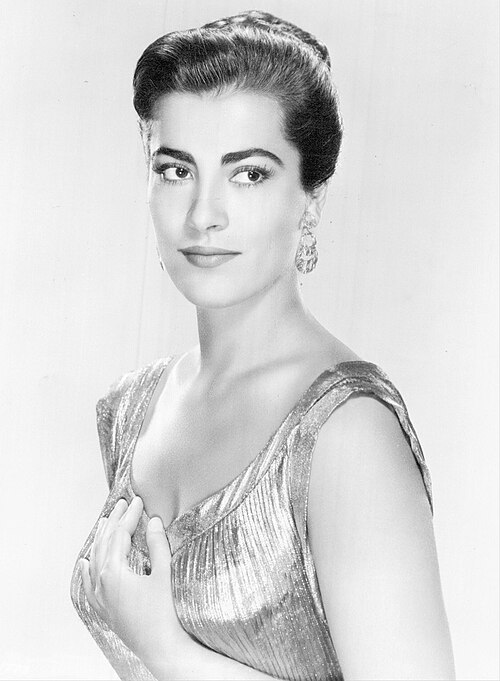
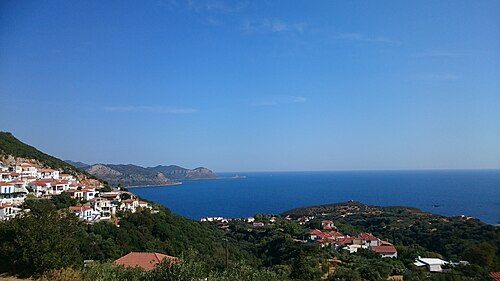
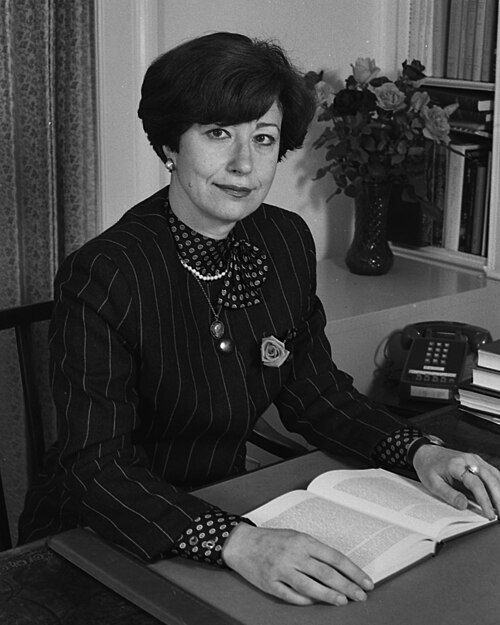
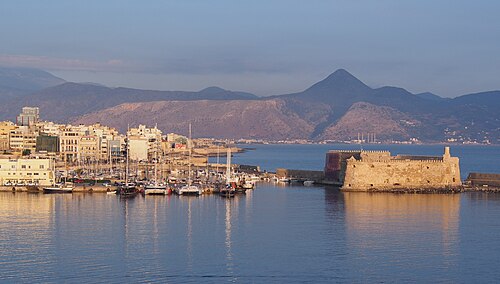
Lili Zografou was born in Heraklion on 17 June 1922; one library catalogue gives 1918, but most sources give 1922. Her father, Andreas Zografos, was a journalist and newspaper publisher, and his work drew her towards writing. She studied at the Korais school in Heraklion and at a Catholic school run by Ursuline sisters on the island of Naxos. During the German occupation, at about twenty-one, she was imprisoned for resistance activity while pregnant. Her daughter, the poet Rena Hatzidaki, was born in prison.
After the liberation in 1944 she worked as a journalist for many newspapers and magazines, and for a time she lived in Paris. Her first book, the collection of novellas Αγάπη (Love), appeared around 1950. During the dictatorship of 1967–1974 she wrote for the magazine Γυναίκα (Woman) and opposed the regime; in November 1973 she was an eyewitness to the Athens Polytechnic uprising. After the fall of the junta she wrote columns for the newspaper Eleftherotypia and published novels that found a wide readership.
In 1998, while on holiday in her home city, she suffered a severe stroke. She died a few days later, on 2 October, in the Venizeleio hospital in Heraklion. In all she published about twenty-four books: novels, novellas and essays.
Works

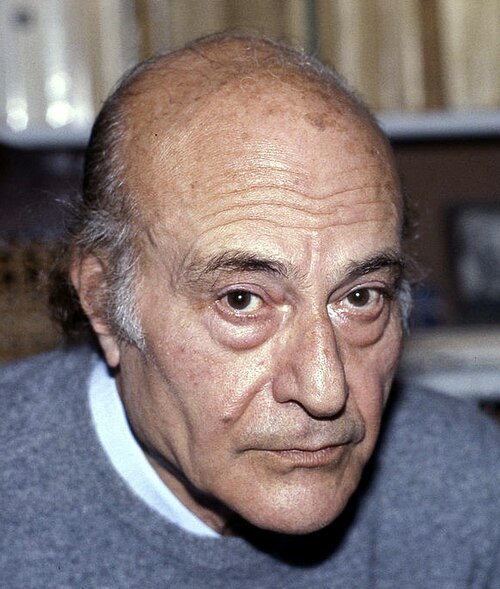
Zografou first became widely known through Νίκος Καζαντζάκης, ένας τραγικός (Nikos Kazantzakis, a Tragic Man), published around 1959–1960. This psychological portrait of the Cretan writer drew partly on claims attributed to his first wife, Galateia, caused controversy and is still reprinted. In 1971 she published Ο ηλιοπότης Ελύτης (Elytis the Sun-Drinker), a study of Odysseas Elytis’s poetry; the poet did not approve of her manuscript, but she published it anyway. Her eyewitness account 17 Νοέμβρη 1973 – Η νύχτα της μεγάλης σφαγής (17 November 1973: The Night of the Great Slaughter) followed in 1974.
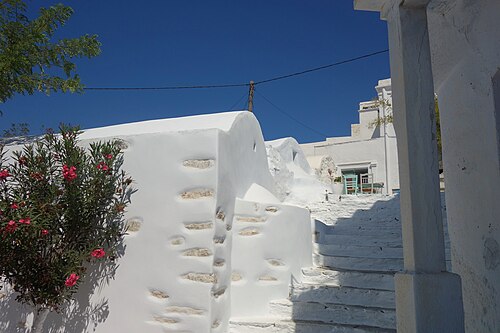
Επάγγελμα: πόρνη (Profession: Prostitute), with texts dated 1978, mixes autobiography and satire: she describes changing the profession on her identity papers, with absurd results, and attacks the bureaucracy and hypocrisy of the junta years. Later novels such as Νύχτωσε αγάπη μου, είναι χτες (Night Has Fallen, My Love, It Is Yesterday) and the autobiographical Η Συβαρίτισσα (The Sybarite) kept women’s independence at the centre. Η αγάπη άργησε μια μέρα (1994) is set in Neochori, a Cretan village, during the Occupation. The large Ftenoudos family lives under religious pressure and rigid moral codes, and the youngest daughter, Erato, falls in love with an Italian soldier hidden in the family cellar. Zografou addressed women as a companion rather than a preacher and resisted a narrow feminist label.
Legacy in Greece today
Zografou’s will left the copyright of her works to SOS Children’s Villages in Greece, which has held events in her memory. Η αγάπη άργησε μια μέρα reached a wide audience when ERT broadcast its television adaptation in 1997, and in 2024 the National Theatre of Northern Greece and the Municipal and Regional Theatre of Kozani staged it, directed by Enke Fezollari. The University of Crete has also used the novel in a lecture on filming literature. For a first step, read the Greek title aloud: άργησε is a past form of αργώ (I am late). Then write a short message in the present, Αργείς; Σε περιμένω. (Are you late? I am waiting for you.), and answer it: Αργώ δέκα λεπτά, αλλά έρχομαι. (I am ten minutes late, but I am coming.) These practice lines are our own, not from the novel.
Did you know?
- Her daughter, the poet Rena Hatzidaki, was born while Zografou was in prison during the Occupation.
- Odysseas Elytis did not approve of her manuscript about his poetry, but she published it in 1971.
- She left the copyright of her books to SOS Children’s Villages.
- Η αγάπη άργησε μια μέρα moved from novel to television in 1997 and to the stage in 2024.
Key works
| Greek title | Title | Year |
|---|---|---|
| Νίκος Καζαντζάκης, ένας τραγικός | Nikos Kazantzakis, a Tragic Man | c. 1959 |
| Ο ηλιοπότης Ελύτης | Elytis the Sun-Drinker | 1971 |
| 17 Νοέμβρη 1973 – Η νύχτα της μεγάλης σφαγής | 17 November 1973: The Night of the Great Slaughter | 1974 |
| Επάγγελμα: πόρνη | Profession: Prostitute | 1978 |
| Η αγάπη άργησε μια μέρα | Love Was a Day Late | 1994 |
A line to remember
Η ζωή περνά από μέσα μου, με διαποτίζει με την ασκήμια της…
I zoí perná apó mésa mou, me diapotízi me tin askímia tis…
Life passes through me; it soaks me in its ugliness.