Life
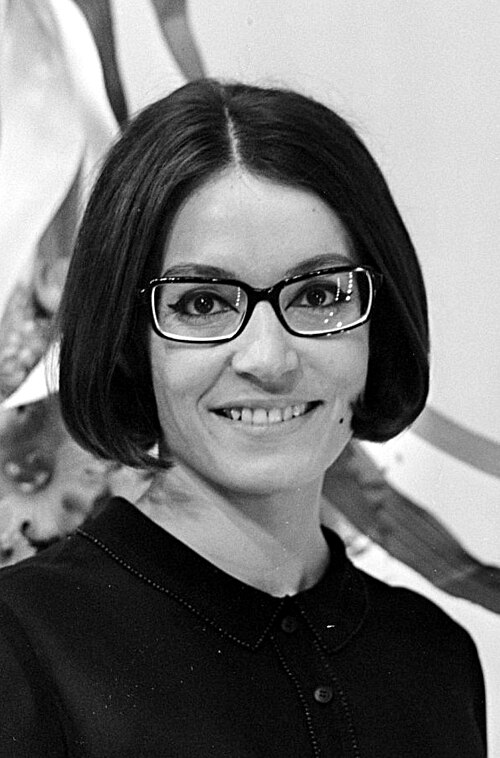
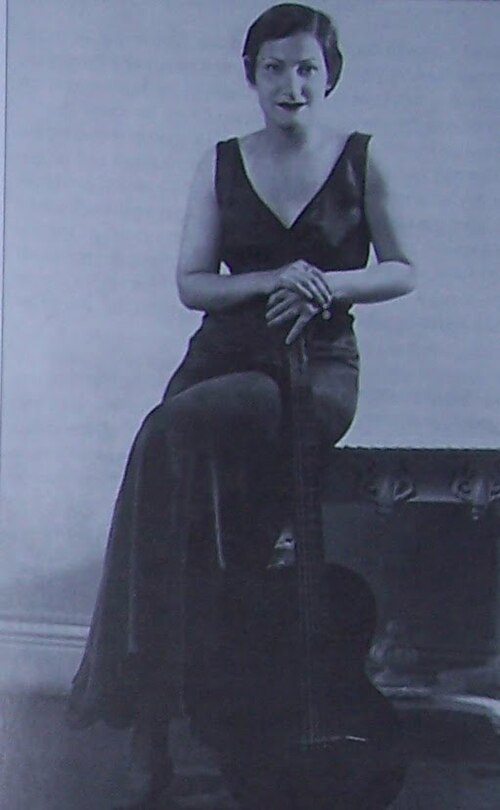
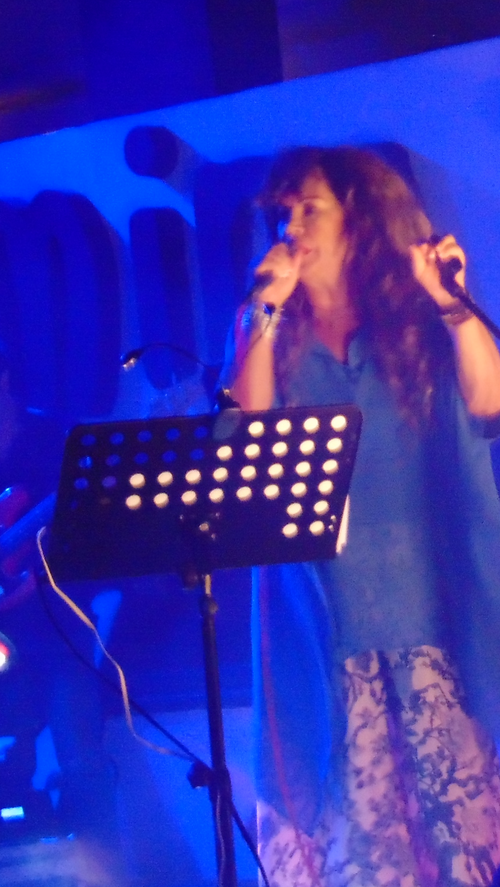
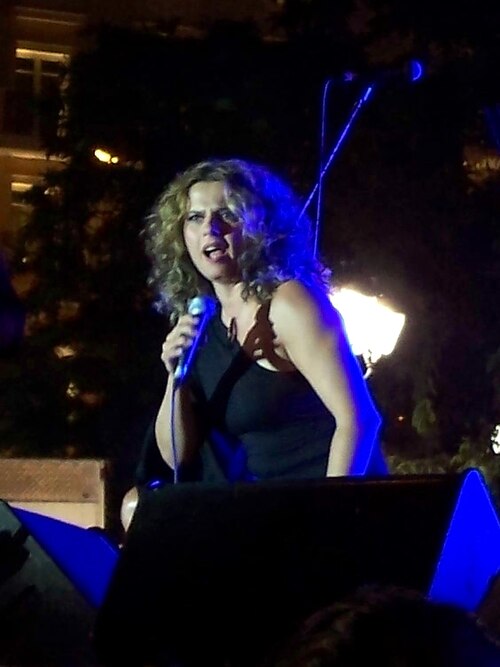
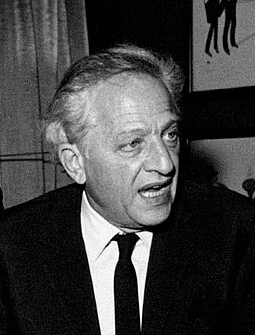
Nena Venetsanou (also spelled Nena Benetsanou) was born in Athens in 1955. She began piano and music theory with Chari Kladaki and continued at the Hellenic Conservatory in Athens and in Ermoupoli on Syros. From 1973 to 1977 she lived in France, studying archaeology and art history at the University of Franche-Comté and taking singing lessons in Paris with Irma Kolassi.
Back in Athens in the late 1970s, she joined the women's movement. In a 2025 interview she recalled that around 1976–77 she and the poet Betty Komninou wrote five or six songs in the feminist groups, and some of them went onto her first album. She also won first prize in an ERT television competition for new talent and began working with Manos Hadjidakis; a concert biography puts their collaboration at fifteen years, including his Μυθολογία (Mythology) and Οι μπαλάντες της οδού Αθηνάς (The Ballads of Athinas Street).
Her debut album, released in 1980 with the support of Alekos Patsifas, joined settings of five French poems by Paul Éluard with six Greek songs; some biographies date the recording to 1979. With the composer Nikos Mamangakis she worked on Οδύσσεια (Odyssey), Ερωτόκριτος (Erotokritos) and Lorca's folk songs. For seven years she also worked with the Théâtre de la Méditerranée in Toulon, giving more than 250 performances, and she toured in France, Switzerland, Belgium, England, Scandinavia, Hungary, Italy and Spain.
Works
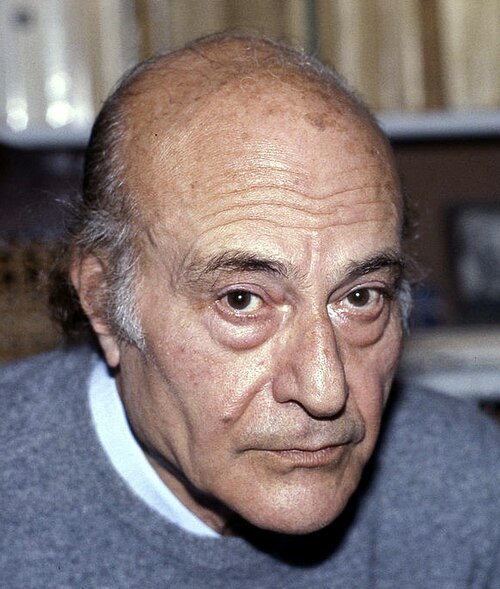
Venetsanou is both composer and interpreter, and poetry is the thread through her work. In a 2026 interview she said that it is poetry, poetic language, that connects her with Greekness. Her own songs set Greek poets such as Betty Komninou, Odysseas Elytis and Victoria Theodorou; French and Italian poets such as Michel Deguy, Paul Éluard and Gaspara Stampa; and German-language women poets such as Nelly Sachs and Rose Ausländer in Greek translation.
Several of her albums are built around one idea. Sappho de Mytilène (1991), recorded with Angélique Ionatos, sets Sappho's poems in Elytis's Modern Greek versions; her singing on it brought her an award from the Charles Cros Academy in France. Πόλεις του Νότου (Cities of the South, 1993) has lyrics by Komninou, whose words also appear on Καφέ Γκρέκο (Café Greco, 2003). Αγήρων ήχος θεάτρου (Ageless Sound of the Theatre, 1997) gathers her music for plays such as Euripides' Τρωάδες (The Trojan Women). She has also recorded albums of songs by Hadjidakis (1998) and Mikis Theodorakis (2000), and she sang in films such as Pantelis Voulgaris's Ήσυχες μέρες του Αυγούστου (Quiet Days of August), with music by Hadjidakis.
Legacy in Greece today
Venetsanou keeps creating new programmes around poetry. In 2015 she conceived the concert 1000 + 1 Πόλεις (1000 + 1 Cities) for the Athens and Epidaurus Festival, and in 2025 she presented Σκληρές βιολέτες (Hard Violets) in Athens, setting poems by German-speaking and Greek women poets. France has made her a Chevalier of the Ordre des Arts et des Lettres, and in April 2026 she was invited to give an online talk at Harvard's Mahindra Humanities Center.
For learners: find a Greek album credit or concert programme for Πόλεις του Νότου (Cities of the South). Look for two words: μουσική (music) and ποίηση or στίχοι (poetry, lyrics). Then write three short Greek sentences: Η ποιήτρια γράφει το ποίημα (The poet writes the poem). Η Νένα γράφει τη μουσική (Nena writes the music). Η Νένα τραγουδά (Nena sings).
Did you know?
- Her first album speaks two languages: five poems by Paul Éluard sung in French and six songs in Greek.
- At university she studied archaeology and art history, not music.
- With ERT's Contemporary Music Orchestra, conducted by Mikis Theodorakis, she sang his song cycles Μαουτχάουζεν (Mauthausen) and Μικρές Κυκλάδες (Little Cyclades).
- She was the founding president of an association for the poet Giorgos Sarantaris, and she wrote the music for an album of his poems read by the actress Eva Kotamanidou.
Key works
| Greek title | Title | Year |
|---|---|---|
| Στα ελληνικά τραγούδια της / Chante Paul Éluard | Her Greek Songs / Sings Paul Éluard — debut album | 1980 |
| Του έρωτα και του πάθους | Of Love and Passion — Lorca's folk songs with Nikos Mamangakis | 1983 |
| Οδύσσεια | Odyssey — music by Nikos Mamangakis | 1984 |
| Πόλεις του Νότου | Cities of the South — her music, lyrics by Betty Komninou | 1993 |
| Αγήρων ήχος θεάτρου | Ageless Sound of the Theatre — her music for plays | 1997 |
| Καφέ Γκρέκο | Café Greco — album of her songs | 2003 |
A line to remember
Για μένα μεγάλη τέχνη στο τραγούδι είναι να τραγουδάς αυτό που είσαι
Gia ména megáli téchni sto tragoúdi eínai na tragoudás aftó pou eísai
For me, great art in song is to sing what you are