Life
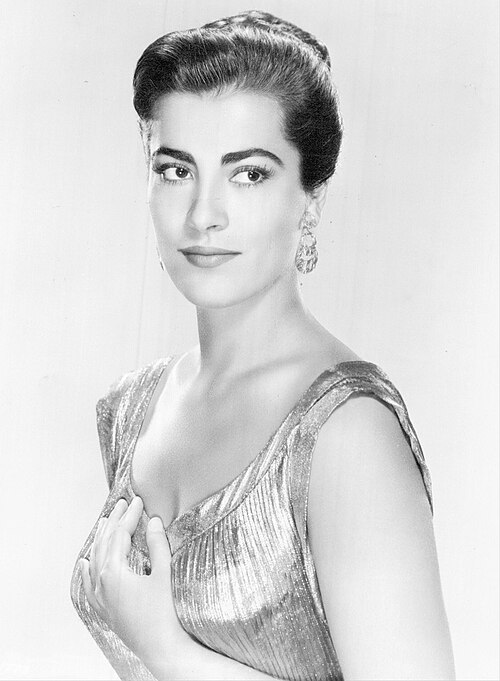
Irene Papas was born Eirini Lelekou on 3 September 1926 in Chiliomodi, a village near Corinth, into a family of schoolteachers. As a teenager she moved to Athens and studied at the drama school of the National Theatre, and she began her career in the 1940s in revues, in theatre and with small film roles. The world would know her as Papas, spelled with one or two p's depending on the country.
In the 1950s she worked in Italy and then in Hollywood, where she appeared in the western Tribute to a Bad Man (1956). Her breakthrough in Greece came with Αντιγόνη (Antigone, 1961), directed by Giorgos Tzavellas, and above all with Michael Cacoyannis (Κακογιάννης), who cast her in Ηλέκτρα (Electra, 1962). From then on she moved between Greece, Italy, France and the United States, acting in Greek, Italian, English and French.
During the military dictatorship of 1967–1974 she lived abroad and spoke openly against the junta. In later decades she returned often to ancient drama on stage, including at the theatre of Epidaurus and in productions abroad, and she also recorded music, most famously with the composer Vangelis. She spent her last years in Greece and died on 14 September 2022, aged 96, and was buried in her home village of Chiliomodi.
Works

Papas is remembered first for the trilogy of Euripides films she made with Cacoyannis. In Ηλέκτρα (Electra, 1962) she is the daughter who waits for her brother Orestes to avenge their father; the film was nominated for the Oscar for best foreign-language film. In The Trojan Women (1971) she played Helen of Troy beside Katharine Hepburn, and in Ιφιγένεια (Iphigenia, 1977) she was Clytemnestra, the mother whose daughter is sacrificed so that the Greek fleet can sail. Together with Tzavellas' Antigone, these films carried Sophocles and Euripides to cinemas around the world.
She was just as visible in international cinema. In The Guns of Navarone (1961) she played a Greek resistance fighter; in Zorba the Greek (1964) she was the young widow of the village, a silent, tragic figure; in Costa-Gavras' Z (1969) she was the widow of the murdered politician. Her style was the opposite of glamour: few gestures, a fixed gaze, a low, grave voice, the actor as a mask of ancient tragedy. In music, she sang on Vangelis' albums Odes (1979) and Rapsodies (1986), versions of Greek folk songs and Byzantine hymns sung in her deep, unadorned voice.
Legacy in Greece today
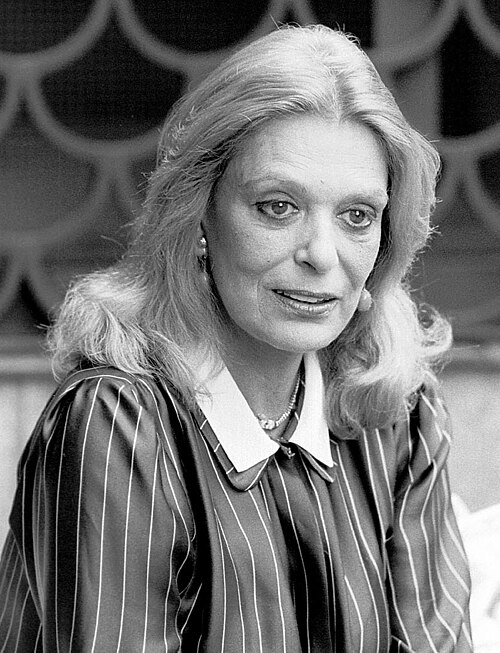
The easiest way to meet Irene Papas is to watch Cacoyannis' Electra with subtitles: it is in Greek, it is short, and her face carries the whole story. Then listen to Odes with Vangelis and try to follow the words of the folk songs. When she died in 2022, Greek newspapers called her the last great tragic actress of Greek cinema, and her films were shown again on television and at festivals. In Greece she is remembered, alongside Melina Mercouri and Katina Paxinou, as one of the actresses who carried Greece abroad. The site's pages on Cacoyannis, Euripides and Vangelis tell the other half of her story.
Did you know?
- She was born Eirini Lelekou; the world knew her as Papas.
- She played both Helen of Troy and Clytemnestra, the two sisters at the heart of the Trojan War story, in two different films.
- She acted in at least four languages: Greek, English, Italian and French.
- She sang, too: her albums with Vangelis are still among the best-known recordings of Greek folk songs abroad.
Key works
| Greek title | Title | Year |
|---|---|---|
| Τα κανόνια του Ναβαρόνε | The Guns of Navarone | 1961 |
| Αντιγόνη | Antigone | 1961 |
| Ηλέκτρα | Electra | 1962 |
| Αλέξης Ζορμπάς | Zorba the Greek | 1964 |
| Οι Τρωάδες | The Trojan Women | 1971 |
| Ιφιγένεια | Iphigenia | 1977 |
From the works


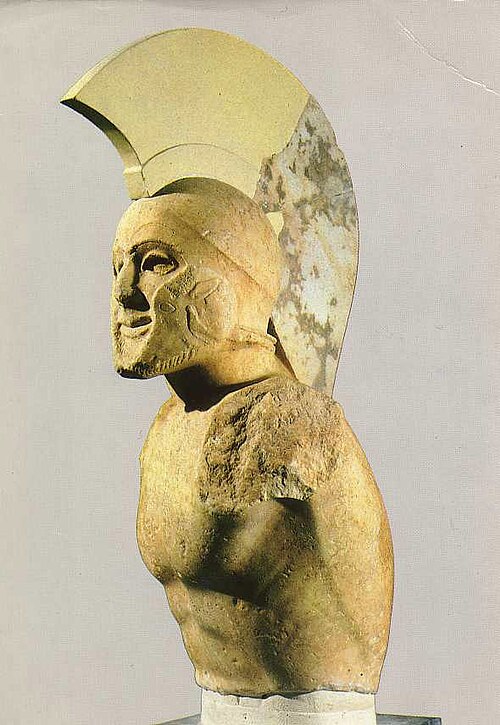
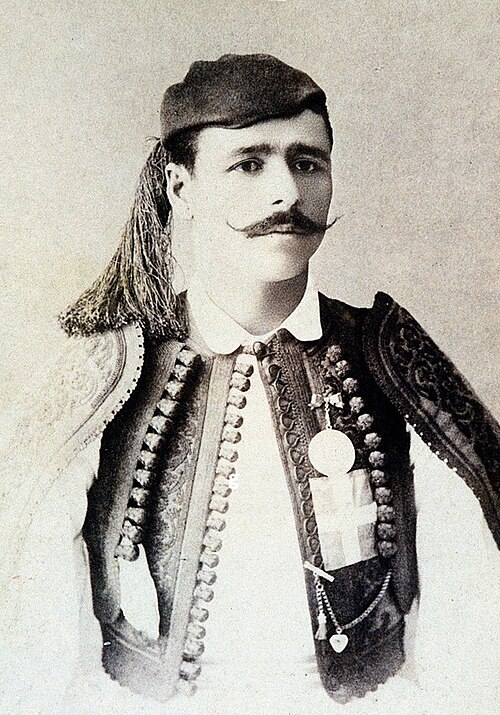
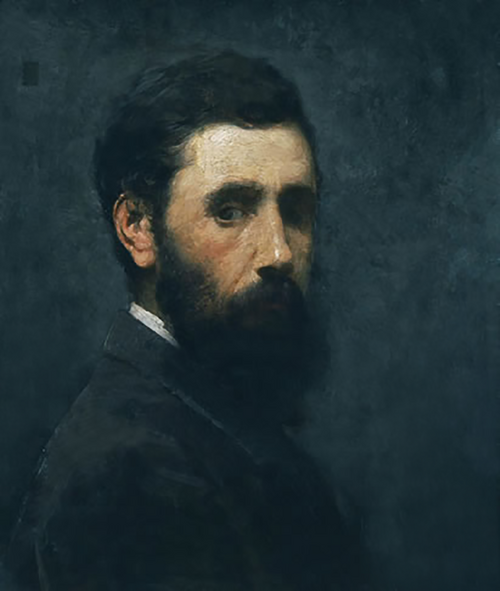
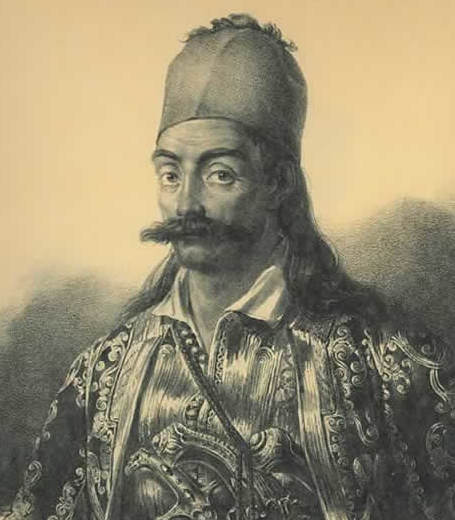
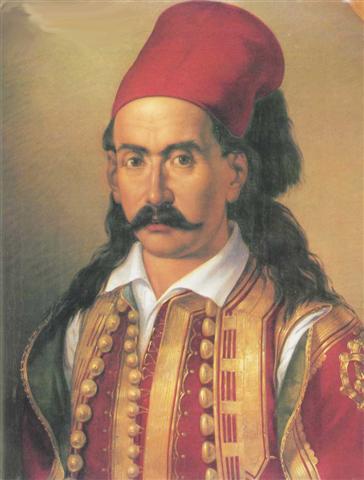
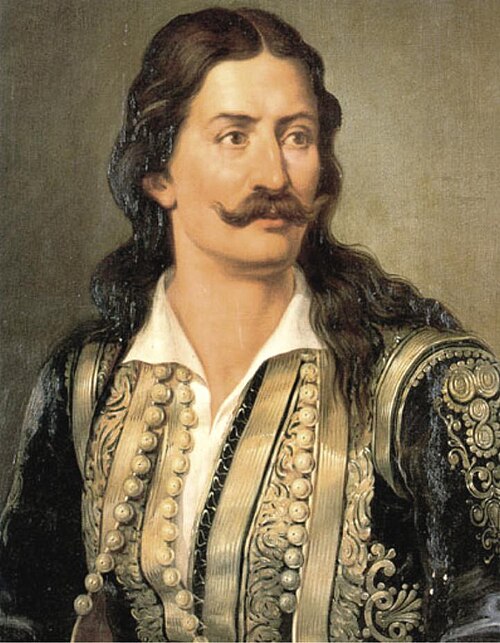
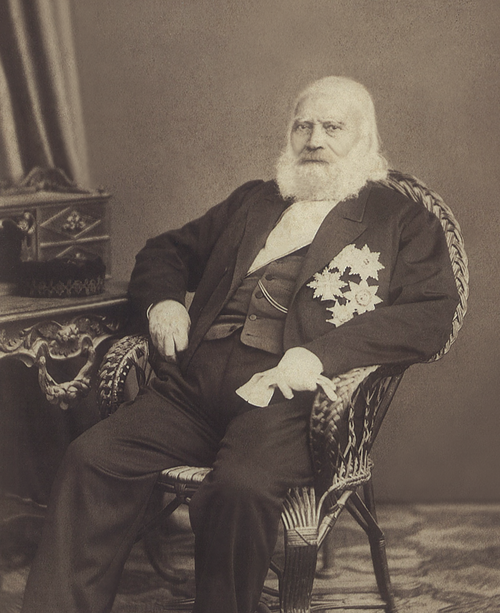
Public-domain pictures from Wikimedia Commons.
A line to remember
Οὔτοι συνέχθειν, ἀλλὰ συμφιλεῖν ἔφυν.
In today's GreekΔεν γεννήθηκα για να μοιράζομαι το μίσος, αλλά την αγάπη.
Outoi synechthein, alla symphilein ephyn.
I was not born to share in hatred, but to share in love.