Life
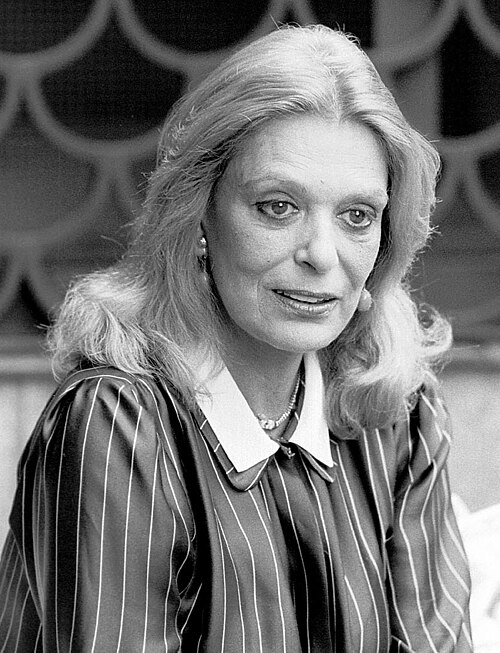
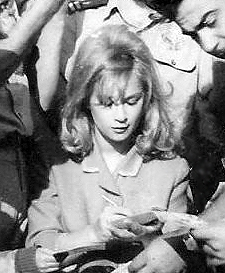
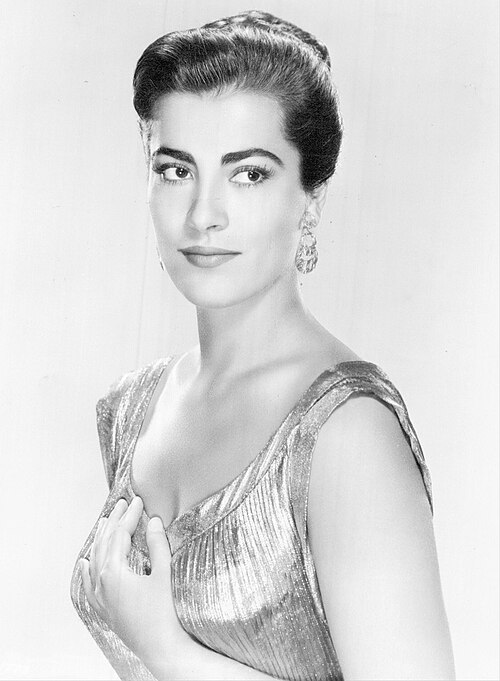
Evgenia Karpouzi was born in Athens on 12 January 1932. She studied at the Drama School of the National Theatre from 1951 to 1954 and graduated with top marks. On stage and on screen she took the name Jenny Karezi, and she made her film debut in Λατέρνα, φτώχεια και φιλότιμο (Barrel Organ, Poverty and Self-Respect, 1955) and soon had larger roles.
In the 1960s she was a box-office star of the Greek film studios, especially Finos Film, in comedies and dramas, and the press loved to compare her with Aliki Vougiouklaki: Aliki was the sweet girl next door, Jenny the sophisticated, ironic modern woman. In 1968 she married the actor Kostas Kazakos, and their son, Konstantinos Kazakos, born in 1969, also became an actor. From then on she worked mainly in the theatre with her husband, in their own company.
During the dictatorship of the colonels (1967–1974) the couple staged plays that the regime disliked, and in November 1973 Karezi was arrested and held in isolation by the military police for more than three weeks. After the fall of the junta Karezi played the great roles of modern and ancient drama. She died of cancer in Athens in 1992, at sixty, and her death was mourned across the country.
Works

Karezi's films are the heart of Greek popular memory. In Δεσποινίς Διευθυντής (Miss Director, 1964) she plays a young woman who takes over a company and has to prove herself to the men around her; in Μια τρελή, τρελή οικογένεια (A Crazy, Crazy Family, 1965) she is part of a chaotic household; in Κοντσέρτο για πολυβόλα (Concerto for Machine Guns, 1967) she showed she could carry a dramatic role. She was quick, elegant and funny, and she played women who think for themselves, a little ahead of the Greece of her time.
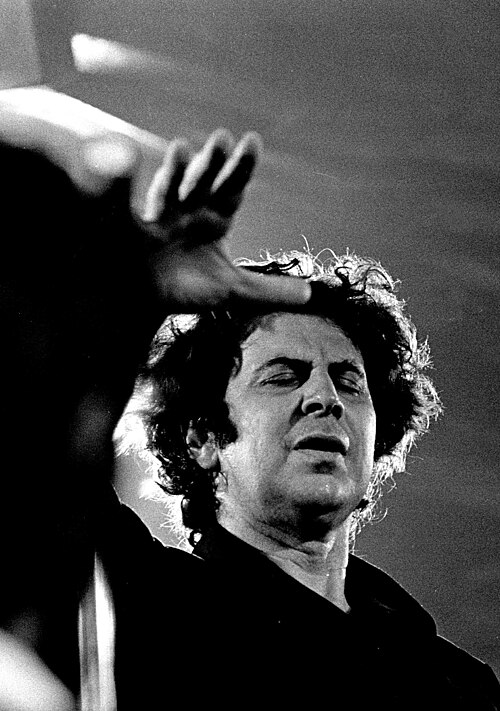
Her most important work, however, was on stage. In June 1973 the Karezi–Kazakos company presented Το μεγάλο μας τσίρκο (Our Great Circus) by Iakovos Kampanellis at the Athinaion theatre in Athens, directed by Kazakos, with songs by Stavros Xarchakos sung by Nikos Xylouris. The show told Greek history from ancient times to the present as a circus, and the audience understood every allusion to the junta. It became a political event, seen by about 550,000 people; after the Polytechnic uprising of November 1973, whose students had taken up its slogans, Karezi was arrested. Later, in free Greece, Karezi played the heroines of ancient tragedy and modern theatre, and critics praised the precision of every look and pause.
Legacy in Greece today
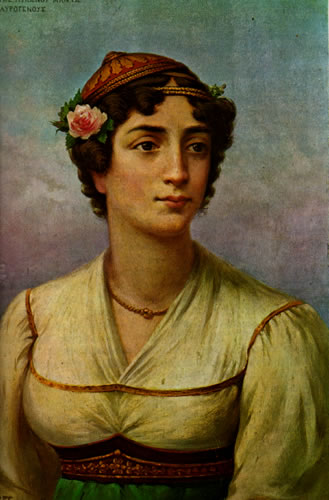
Karezi is still on Greek screens: her Finos Film comedies are shown on television again and again, and they are an easy, enjoyable way to hear everyday Greek of the 1960s. Start with Δεσποινίς Διευθυντής or Μια τρελή, τρελή οικογένεια; in 1971 she also played the heroine of 1821 in the film Μαντώ Μαυρογένους. The songs of Το μεγάλο μας τσίρκο, sung by Nikos Xylouris, are still played at every anniversary of the 1973 Polytechnic uprising. The «Karezi or Vougiouklaki?» question is a classic of Greek conversation, and her son Konstantinos Kazakos keeps the family name on the stage. On this site you can also read about Aliki Vougiouklaki and Iakovos Kampanellis.
Did you know?
- Her real name was Evgenia Karpouzi; Jenny Karezi was a stage name.
- She graduated from the Drama School of the National Theatre with top marks in 1954.
- After the Polytechnic uprising of November 1973 she was arrested by the junta's military police and held in isolation until mid-December.
- For a whole generation, Greeks divided into fans of Karezi and fans of Vougiouklaki.
Key works
| Greek title | Title | Year |
|---|---|---|
| Λατέρνα, φτώχεια και φιλότιμο | Barrel Organ, Poverty and Self-Respect (film, her debut) | 1955 |
| Δεσποινίς Διευθυντής | Miss Director (film, dir. Dinos Dimopoulos) | 1964 |
| Μια τρελή, τρελή οικογένεια | A Crazy, Crazy Family (film) | 1965 |
| Κοντσέρτο για πολυβόλα | Concerto for Machine Guns (film) | 1967 |
| Μαντώ Μαυρογένους | Manto Mavrogenous (film, title role) | 1971 |
| Το μεγάλο μας τσίρκο | Our Great Circus (stage show by Kampanellis) | 1973 |
From the works

Public-domain pictures from Wikimedia Commons.
A line to remember
Η Καρέζη δεν αφήνει αναπνοή, λέξη, παύση, βλέμμα, χαμόγελο πικρό ή χαμόγελο γλυκό, ανεκμετάλλευτα.
I Karezi den afinei anapnoi, lexi, pafsi, vlemma, chamogelo pikro i chamogelo glyko, anekmetallefta.
Karezi leaves no breath, word, pause, glance, bitter smile or sweet smile unused.