
For Greek-Americans
The Greek your family speaks, finally yours.
Start from the Greek you already carry: the feasts, the names, what yiayia says. Every phrase written in Greek, spoken aloud and explained.
Where are you starting from?
Start free: read the Greek you hearFind your level in 3 minutes · 15 free exercises at every level · no card

Tap to hear
← the reply
at a baptism
- 1.2 million Americans of Greek descent
- 1 in 5 speaks Greek at home
- 6 levels 15 free exercises in each
- Made in Geneva for the diaspora
US Census Bureau, 2019
30-second check
You already know more Greek than you think
Three words every Greek family uses. Tap the word to hear it.
You’ve heard this a thousand times. What does it mean?
The moments that matter
Say the right thing, in Greek
The family moments people search for most, each with the phrase you’ll need.
Coming up: Christmas and New Year
What to say, and what to reply

Easter and feasts
good Resurrection
What to say on each day of Greek Easter, and how to answer «Χριστός Ανέστη».
4 guides
Baptisms and weddings
to the couple
The wishes, what to write in the card, what Greeks say to new parents.
5 guides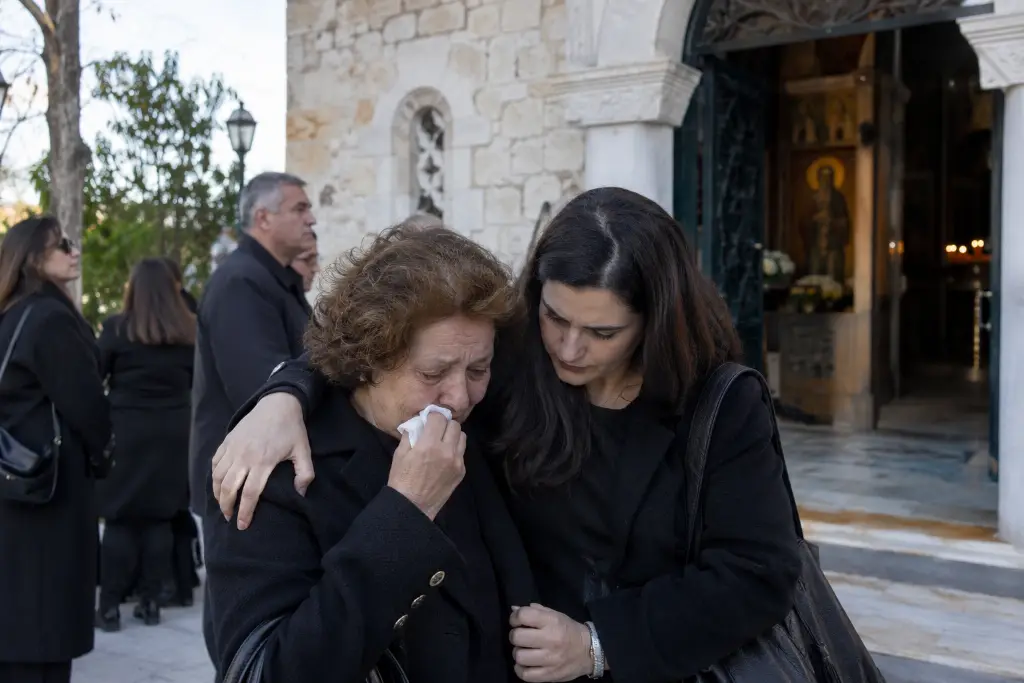


Names and name days
on a name day
Dimitrios or Jim? What -opoulos and -akis tell you, and name-day wishes.
3 guides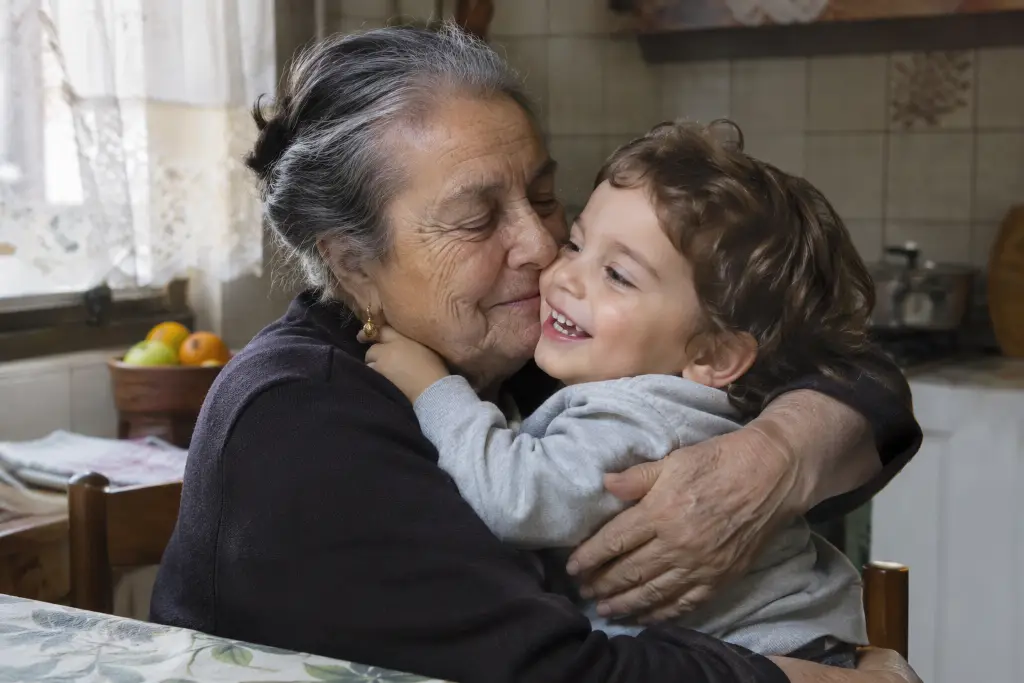
Your path
Learning Greek when it’s your family’s language
Heritage learners don’t start from zero, so they shouldn’t start at lesson 1. Your pick at the top highlights your path.
«I know some words from my family»
- Α1: the alphabet and the sounds you’ve heard all your life
- Family words, feasts and names
- Your first spoken role-play
«I understand Greek but can’t read or write it»
- The alphabet with audio, for people who learned by ear
- Read the words you already know
- Write and speak at your real level, set by the placement test
«It’s for my children»
- Learn the alphabet together
- Short exercises that mark themselves, a few minutes a day
- Alongside Greek school, not instead of it
Price
Start free. Keep it for good.
Free starter course
0
- 15 exercises at every level
- The first lessons need no account
- All heritage guides and phrases
All six levels, Α1 to Γ2
CHF 129
Prices in CHF · one payment, no subscription
- 1,569+ self-marking exercises
- 120 spoken role-plays and the mock exams
- Or one level at a time, from CHF 19
Questions
Heritage learners ask
Take the free placement test. Heritage learners usually place higher for understanding than for speaking and writing, so you start each skill at your real level, not at lesson 1.
Yes. grecfacile teaches Standard Modern Greek, which every Greek speaker understands. The heritage guides point out common family and regional words where they differ.
Short exercises with audio, at your own pace, built around phrases you will use with family. With a free account your progress is saved.
Yes, with their own account and their own level, from about age seven once they can read. The alphabet and family-word exercises work well for children.
No. The starter course is free for good; a level (from CHF 19) or all six levels (CHF 129) are one payment, yours to keep.
Yes, one-to-one by video with a teacher in Geneva. Most heritage learners start with the exercises, which need no teacher.
All guides
Every Greek heritage guide (21)
Easter and feasts
- Christos Anesti: how to answer, and every Greek Easter greetingThe Easter greeting and its answer, what the words mean, and how long Greeks say them.
- Kalo Pascha, Kali Anastasi, Christos Anesti: what to say on each day of Greek EasterFrom Lent to Easter Sunday: which wish belongs to which day of Holy Week.
- Greek Christmas and New Year greetings, and what to replyKala Christougenna, Chronia polla, Kali chronia: what each one means, when to say it and how to answer.
- Chronia polla: what it means and how to answerThe one Greek wish that fits every feast, name day and birthday, and the reply.
Baptisms and weddings
- What to say at a Greek baptism, and what to write in the cardThe wishes for the parents, the godparent and the child, and two lines for the card.
- Na sas zisi: what it means, how to write it in Greek, and when to say itΝα σας ζήσει, να σου ζήσει, να ζήσετε: which one, to whom.
- A new baby: what Greeks say to the parentsWhat to say before the birth, after it, and when you first see the baby.
- What to say at a Greek wedding: na zisete and the other wishesThe wishes for the couple, the koumbaros and the parents, and what to answer.
- Kalo mina: what it means and how to replyWhy Greeks wish each other a good month, a good week and a good winter.
Hard days
- What to say in Greek when someone dies: condolences, zoi se sas, memory eternalThe words for the family, at the funeral and at the memorial, written and pronounced.
- May his memory be eternal in Greek: Aionia i mnimi, written and pronouncedΑιωνία η μνήμη written, pronounced and explained, with the words said to the family.
Family words
- Yiayia or yaya? How to spell and say grandmother and grandfather in GreekΓιαγιά and παππούς: the spelling, the sound, and what you call them to their face.
- Koumbaros, koumbara, nouno, nouna: the Greek words for godparents and wedding sponsorsWho the koumbaros is, what nouna means, and how each word is written in Greek.
- Greek family words: theia, theios, pappou, yiayia, nouna, and who is who at the tableEvery relative at a Greek table, in Greek letters, with the form you call them by.
Names and name days
- Dimitrios or Jim? Greek names and their American equivalentsThe Greek name behind Gus, Bill, Penny and Jim, written in Greek letters.
- Greek last names ending in -opoulos, -akis, -idis, -ou: what they tell youWhat the ending of a Greek family name can and cannot tell you about where it comes from.
- Greek name days: what to say and what to answerThe wishes for a name day, the answers, and the dates of the most common names.
Terms of endearment
- Agapi mou, koukla mou: Greek terms of endearment for children, family and friendsΚούκλα μου, αγάπη μου, ψυχή μου: what relatives called you, and what it means.
Learning Greek when it is your family’s language
- I understand Greek but can’t speak it: where to startWhy it happens to people who grew up hearing Greek, and the first steps that work.
- You speak Greek but can’t read it: the alphabet for people who learned by earTurn the Greek you already hear into Greek you can read, letter by letter.
- Greek school didn’t stick when I was a kid: can I learn Greek as an adult?Why Greek school did not stick, and a realistic way back as an adult.
From the rest of the site
- The Greek alphabet: all 24 letters with pronunciation
- Read Greek without Latin letters
- Family in Greek: the word list
- Happy name day in Greek, and how to reply
- Greek names and their meanings, with name days
- The words of Greek songs: love, memory and the sea
- Greek writers, musicians and thinkers, in easy Greek
- Greek myths to read in easy Greek
Next Easter, answer «Αληθώς Ανέστη» yourself.
Two minutes to start. No card, no subscription.
Start free: read the Greek you hear