
Greek for Greek-Americans
Agapi mou, koukla mou: Greek terms of endearment for children, family and friends
«Αγάπη μου» (a-GA-pi moo) means “my love” and is said to children and family as much as to a partner. «Κούκλα μου» (KOO-kla moo) means “my doll”, “my beautiful one”, said to a girl or a woman. Grandparents add «μάτια μου» (MA-tya moo), “my eyes”, and «χρυσό μου» (hri-SO moo), “my golden one”.
This page is a taste of the course: Greek written, spoken and practiced, from the alphabet to real conversation. Start free →
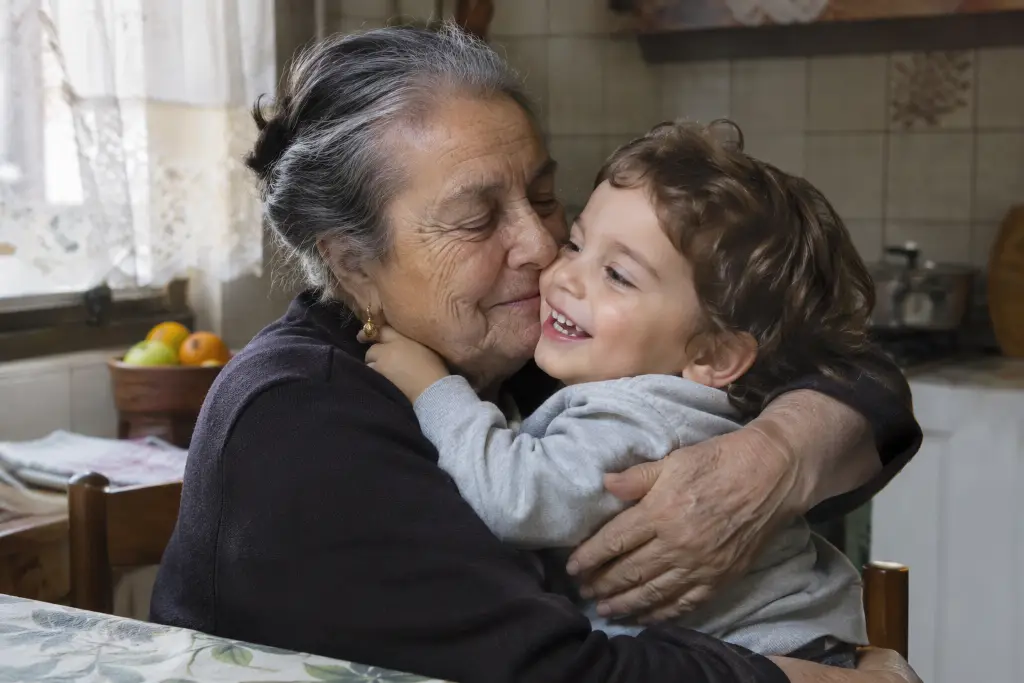
The words of affection you grew up with
| In Greek | How it sounds | What it means |
|---|---|---|
| a-GA-pi moo | My loveTo a child, a parent, a grandparent, a friend. The same words for a boy and a girl. | |
| KOO-kla moo | My doll, my beautiful oneTo a girl or a woman. To a boy: «κούκλε μου» (KOO-kle moo). | |
| koo-KLA-ki moo | My little dollTo a baby or a small child, boy or girl. | |
| MA-tya moo | My eyes: you are as dear to me as my eyesParents and grandparents to a child, at any age. | |
| hri-SO moo | My golden oneTo a child. Also «χρυσή μου» (hri-SEE moo) to a girl and «χρυσέ μου» (hri-SE moo) to a boy. | |
| kar-THYA moo | My heartTo anyone you love: a child, a sister, a friend. The little form is «καρδούλα μου» (kar-THOO-la moo). | |
| psi-HEE moo | My soulDeep, tender affection: a mother or grandmother to a child, and between partners. | |
| an-ge-LOO-thi moo | My little angelTo a baby or a young child. | |
| pe-THEE moo | My childWhat older relatives call you, even when you are fifty. | |
| le-VEN-di moo | My fine young manTo a boy or a man, with pride: strong, brave, handsome. | |
| gli-KYA moo | My sweetTo a girl or a woman. To a boy or a man: «γλυκέ μου» (gli-KE moo). | |
| FEE-le moo | My friendBetween friends, to a man. To a woman: «φίλη μου» (FEE-li moo). |
From the course
Try it the way the course teaches it
Question 1 of 4. What does it mean?
αγάπη μου
Learn the Greek your family speaks, properly
CHF 129 for all six levels, paid once. No subscription. A free starter course at every level.
One click, no password to create · the free course starts at once
Why so many end in “mou”
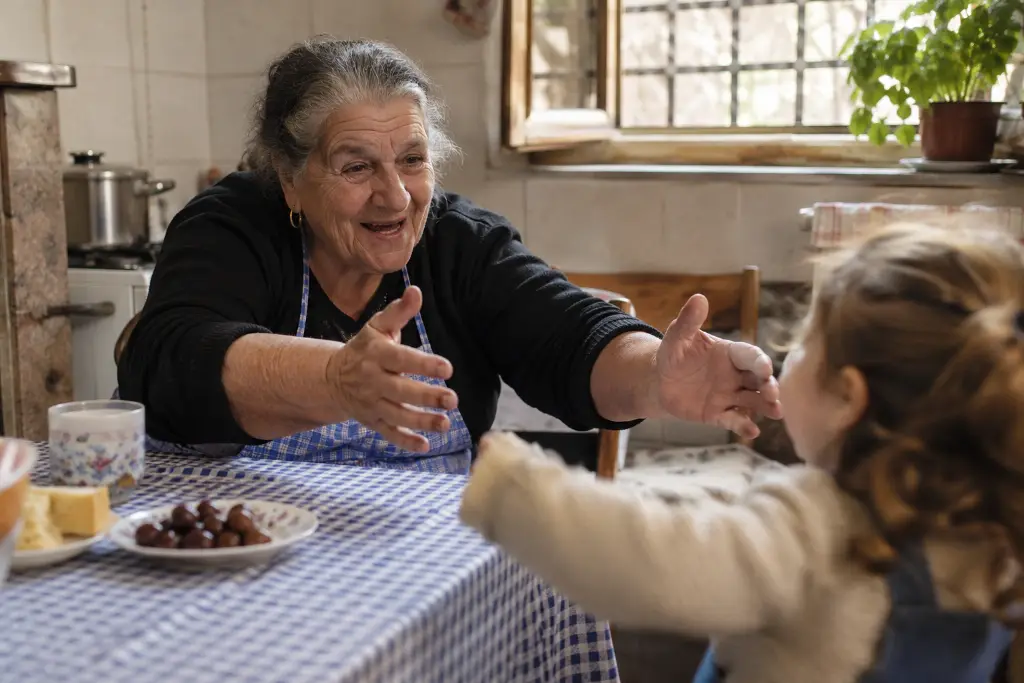
Almost every Greek word of affection ends in μου (moo), “my”. Greek puts it after the word: αγάπη μου is “love my”, καρδιά μου “heart my”. Once you know this, you can make your own: θησαυρέ μου (thi-sa-VRE moo), “my treasure”, γιαγιάκα μου (ya-YA-ka moo), “my dear little grandma”.
When you speak to someone, many words change their ending. That is why you hear κούκλα μου to a girl but κούκλε μου to a boy, and λεβέντη μου where the dictionary has λεβέντης.
What grandparents and parents say to children
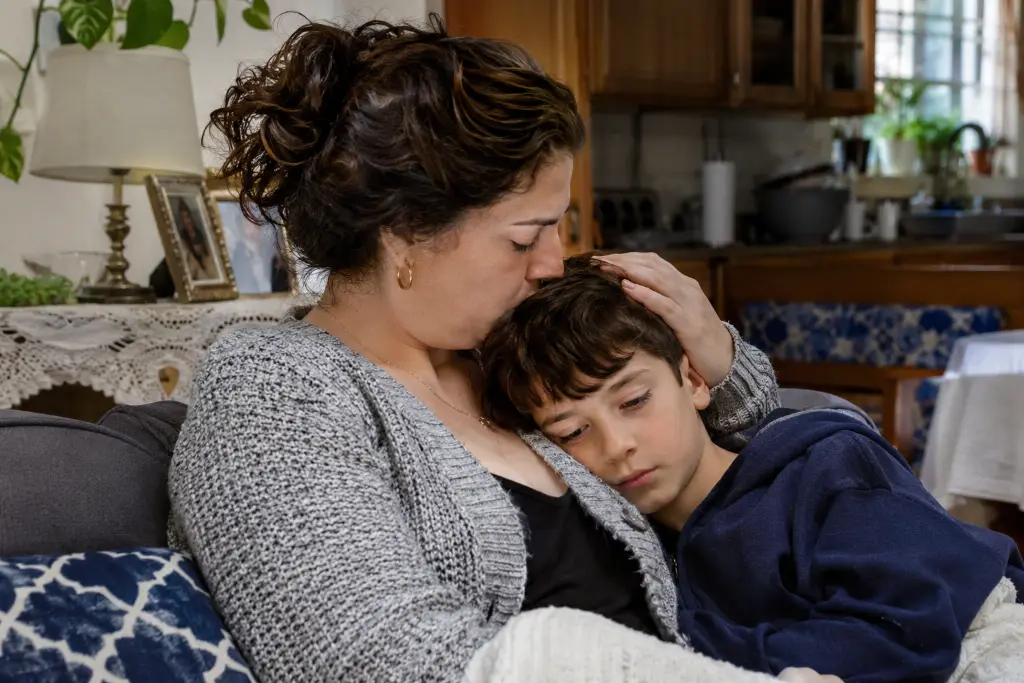
If you grew up in a Greek family, you heard these words before you knew what they meant.
- «Μάτια μου»: “my eyes”. The idea is that you are as precious as their own sight. It is one of the most loving things a yiayia can say.
- «Χρυσό μου», «κουκλάκι μου», «αγγελούδι μου»: for babies and small children.
- «Λεβέντη μου»: to a boy, especially on a big day, a name day, a graduation. The λεβέντης is the fine young man of the folk songs.
- «Παιδί μου»: “my child”, at any age. Your theia will still say it when you have children of your own.
Small forms of names do the same work. Γιάννης becomes Γιαννάκης, Μαρία becomes Μαρίτσα or Μαρούλα. The ending says “dear little”. Children answer in kind: γιαγιάκα μου, παππούλη μου (pa-POO-li moo). Παππούλης is also how people fondly speak of an old priest.
Agapi mou and koukla: what they really mean
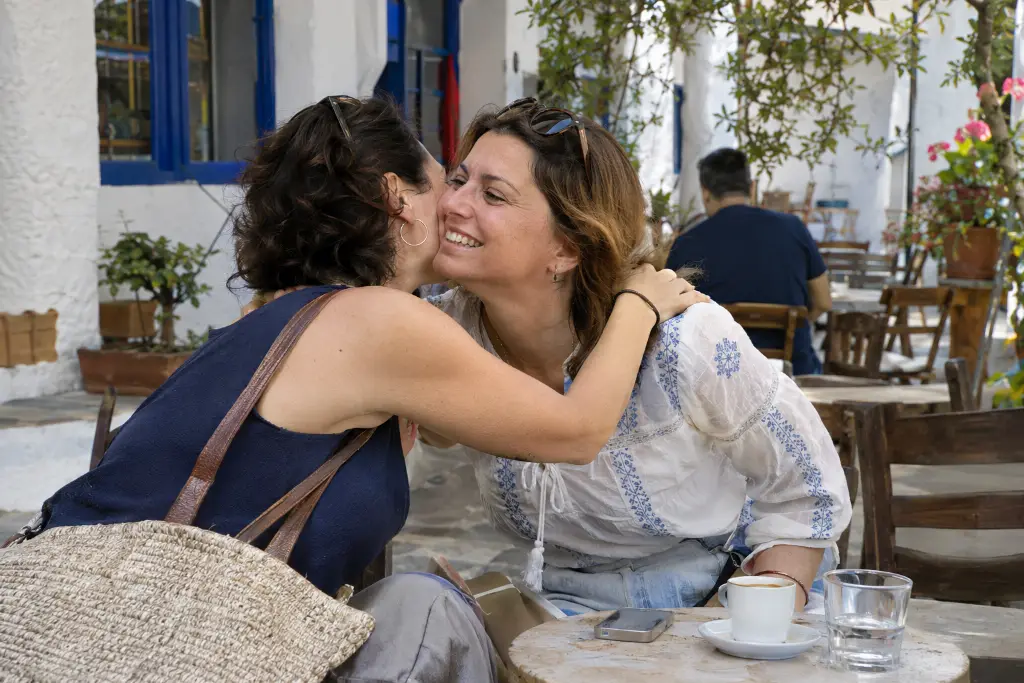
«Αγάπη μου» is “my love”, and in Greek it is much wider than in English. A mother says it to her son, a grandmother to the boy who brings her coffee, a friend to a friend. You can say it to your own grandparents.
κούκλα is literally “doll”. As a word of affection it means “beautiful”, “a darling”. A yiayia says «Τι κούκλα είσαι!» (ti KOO-kla EE-se), “how lovely you are”, to a granddaughter in her new dress. For a boy the word is κούκλος: «Τι κούκλος!»
In Latin letters you will see agapi mou or agape mou, koukla or kookla, matia mou, chryso mou or hriso mou, kardia mou or kardoula mou, psyhi mou or psychi mou.
Between friends
- «Φίλε μου», «φίλη μου»: “my friend”, warm and simple.
- ο κολλητός, η κολλητή (ko-li-TOS, ko-li-TEE): your best friend, literally “the one stuck to you”.
- «Ρε φίλε» (re FEE-le): very casual, like “hey, man”. Fine with friends your age, not with elders.
- «Καρδιά μου» and «αγάπη μου» are also said between close women friends.
Sunday lunch at your grandmother’s
- YiayiaE-la, KOO-kla moo! pos EE-se, MA-tya moo?Come here, my beautiful! How are you, my darling?
- Youka-LA, ya-YA-ka moo. e-SEE?Fine, my dear grandma. And you?
- YiayiaTO-ra poo se VLE-po, ka-LEE-te-ra. KA-tse, hri-SO moo.Better, now that I see you. Sit down, my golden one.
- Yousa-ga-PO, ya-YA.I love you, Grandma.
Questions people ask
What are Greek terms of endearment for children?
«Αγάπη μου» (my love), «μάτια μου» (my eyes), «χρυσό μου» (my golden one), «κουκλάκι μου» (my little doll), «αγγελούδι μου» (my little angel) and «παιδί μου» (my child). Small forms of names, such as «Γιαννάκης» for Γιάννης, are used the same way.
What does koukla mean?
«Κούκλα» (KOO-kla) means “doll”. As a word of affection it means “beautiful” or “darling”, said to a girl or a woman. To a boy the form is «κούκλος», and «κούκλε μου» when you speak to him.
What does agapi mou mean?
«Αγάπη μου» (a-GA-pi moo) means “my love”. Greeks say it to children, parents, grandparents and close friends, not only to a partner.
What does matia mou mean?
«Μάτια μου» (MA-tya moo) means “my eyes”: you are as precious to me as my own eyes. Parents and grandparents say it to children.
What do Greek grandparents call their grandchildren?
Most often «παιδί μου», «αγάπη μου», «μάτια μου», «χρυσό μου» and «κούκλα μου», and small forms of the child’s name. «Λεβέντη μου» is a proud word for a grandson.
How do you say “my friend” in Greek?
«Φίλε μου» (FEE-le moo) to a man and «φίλη μου» (FEE-li moo) to a woman. A best friend is «ο κολλητός» or «η κολλητή».
You can say it. Now learn to read it.
Where are you starting from?
Born abroad, Greek by family: you never have to choose. Start from the Greek you already carry.
- About 1.2 million Americans are of Greek descent. About one in five speaks Greek at home. (US Census Bureau, 2019)
Learn the Greek you grew up hearing: Greek-Americans · Greek-Australians · Greek-Canadians · British Greeks and Cypriots · Deutschgriechen (auf Deutsch) · All Greek Heritage pages