
Greek for Greek-Americans
Greek last names ending in -opoulos, -akis, -idis, -ou: what they tell you
Most Greek surname endings mean “son of” or “little one”: «-όπουλος» (-O-poo-los), «-άκης» (-A-kis) and «-ίδης» (-EE-this) are all ways of saying “child of”. Each leans toward a region: -opoulos the Peloponnese, -akis Crete, -idis Pontus and Asia Minor. That is a tendency, not proof, and -ou is usually the woman’s form of a name, as in «Παπαδοπούλου», though some men’s names end in -ou too.
This page is a taste of the course: Greek written, spoken and practiced, from the alphabet to real conversation. Start free →
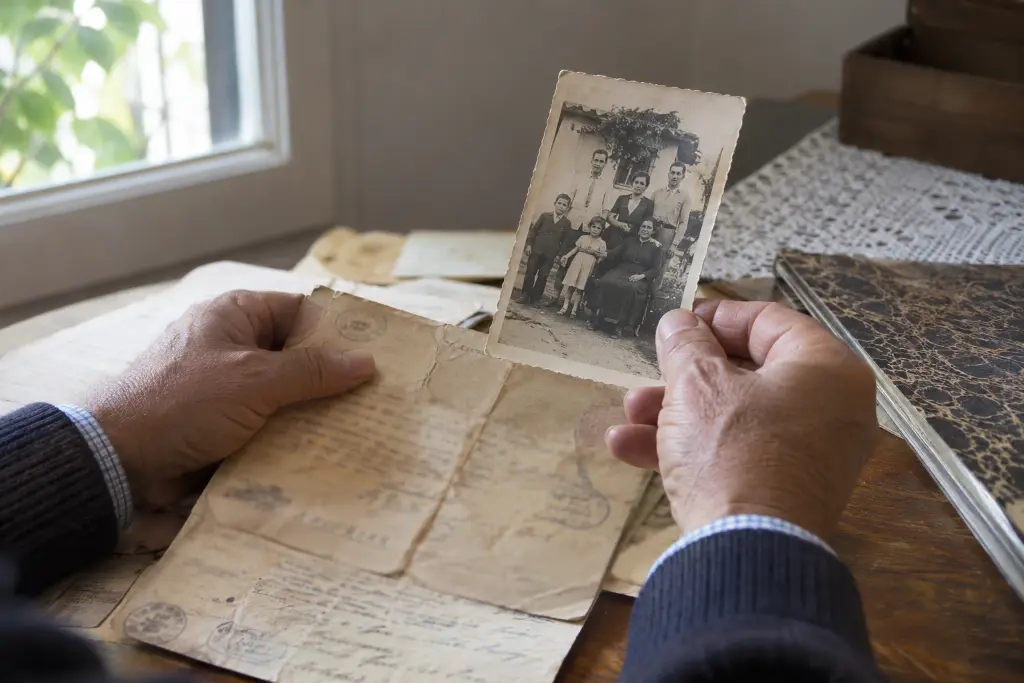
Surnames that show each ending
| In Greek | How it sounds | What it means |
|---|---|---|
| o pa-PAS | The priestThe root of every Papa- name and of the American Pappas. | |
| pa-pa-THO-poo-los | Son of the priest (-opoulos)A woman of the family is «Παπαδοπούλου» (pa-pa-tho-POO-loo). | |
| pa-pa-THA-kis | The same name, the Cretan way (-akis)A woman of the family is «Παπαδάκη» (pa-pa-THA-ki). | |
| sa-VEE-this | Son of Savvas (-idis)Often spelled Savvides in America. A woman: «Σαββίδου» (sa-VEE-thoo). | |
| i-o-a-NEE-this | Son of Ioannis (-idis)Also written Ioannides or Ioannidis. | |
| thi-mi-TRA-kos | Son of Dimitris (-akos)An ending heard especially in Mani, in the southern Peloponnese. | |
| ya-noo-LA-tos | A family name with the -atos endingAn ending heard especially on Kefalonia and in the Ionian islands. | |
| pa-pan-DRE-oo | Of the priest Andreas (-ou)A man’s surname in the genitive, “of”. The same for men and women. | |
| ye-or-YEE-oo | Of Georgios (-ou)Surnames like this are especially common in Cyprus. | |
| ha-dzi-THA-kis | Hadji- + -akisΧατζη-, Hadji-, marks a forebear who made the pilgrimage to Jerusalem. | |
| ka-ra-YA-nis | Kara- + YiannisΚαρα-, from Turkish, means “black”: perhaps first a nickname for a dark-haired Giannis. |
From the course
Try it the way the course teaches it
Question 1 of 4. What does it mean?
ο παπάς
Learn the Greek your family speaks, properly
CHF 129 for all six levels, paid once. No subscription. A free starter course at every level.
One click, no password to create · the free course starts at once
What the endings mean
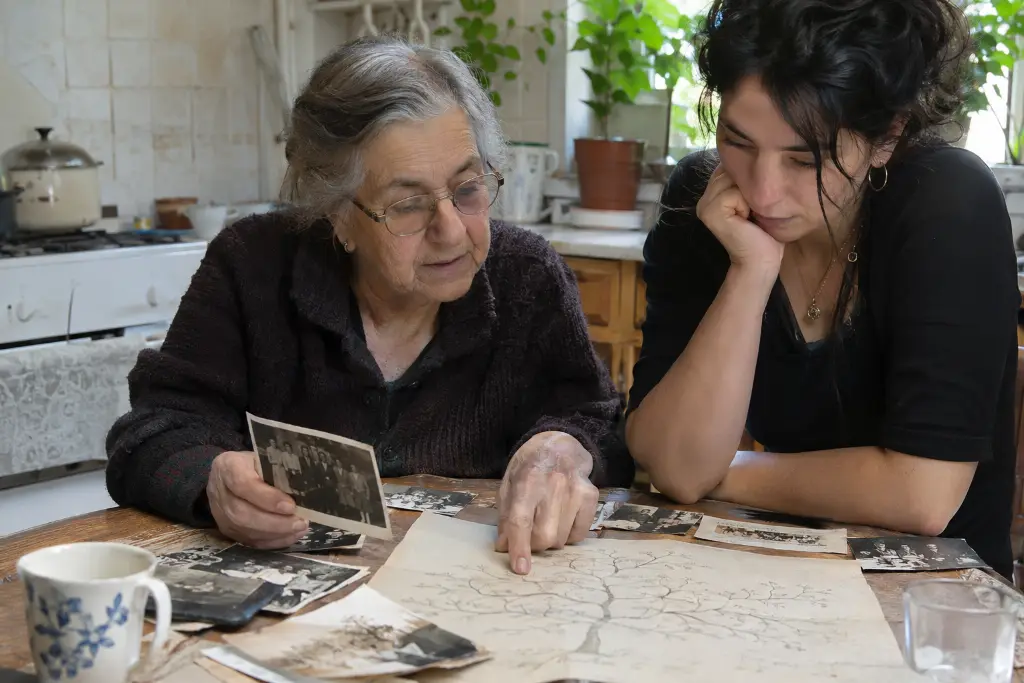
Many Greek surnames began as “son of” someone: a father, a grandfather, a priest. The ending says that, each region in its own way.
- -όπουλος (-opoulos, -poulos): “son of”, from a word for a young one, a chick. Παπαδόπουλος is the priest’s son.
- -άκης (-akis): a “little” ending that came to mean son of. Παπαδάκης.
- -ίδης, -ιάδης (-idis, -ides, -iadis): a “son of” ending as old as Homer. Σαββίδης, Ιωαννίδης.
- -άκος (-akos) and -έας (-eas): other “son of” endings.
- -άτος (-atos): a family ending. Γιαννουλάτος.
- -όγλου (-oglou): from Turkish, “son of”. Καραμανόγλου.
Beginnings carry meaning too: Παπα-, a priest in the family; Χατζη-, a pilgrim to Jerusalem; Καρα-, “black”, often a nickname for dark hair.
Where each ending points, as a tendency
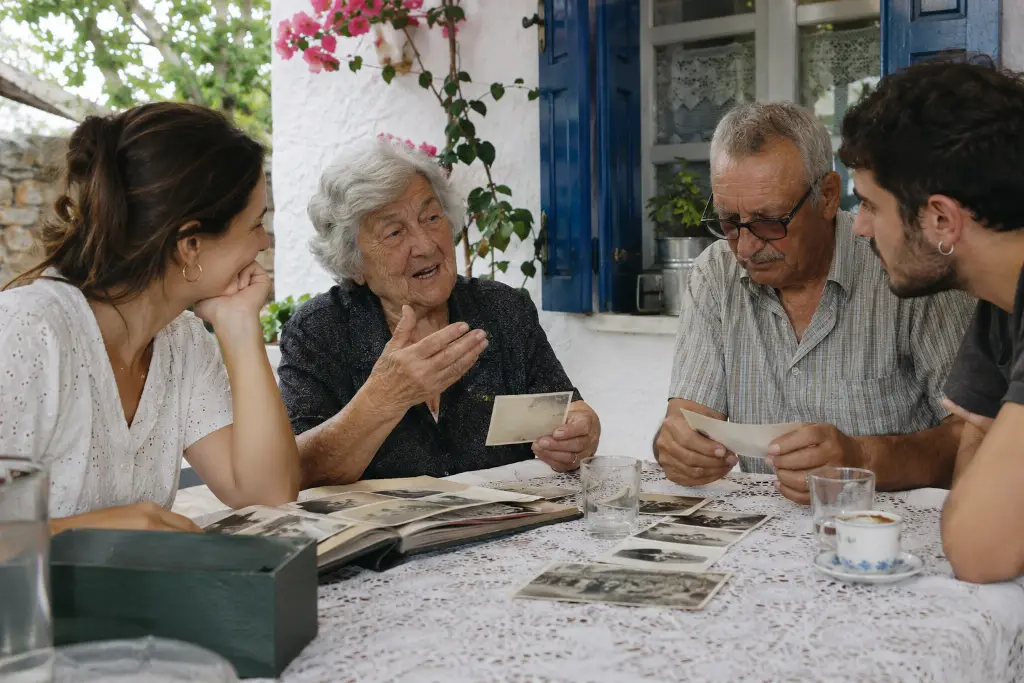
Greeks love guessing where your family is from by your last name, and the guess is often right. But it is only a tendency.
- -όπουλος: the Peloponnese, though it is found all over Greece.
- -άκης: Crete above all.
- -ίδης and -ιάδης: Pontus on the Black Sea and Asia Minor. Many of these families came to northern Greece as refugees after 1922.
- -άκος and -έας: Mani, in the southern Peloponnese.
- -άτος: Kefalonia and the Ionian islands.
- -όγλου: Asia Minor and Cappadocia.
People moved, married and settled far from where their grandparents were born, and the names moved with them. An -άκης can come from Athens and an -όπουλος from Thessaloniki. The ending is a clue to start from. The village is in the family’s own memory and records.
Why so many names end in -ou
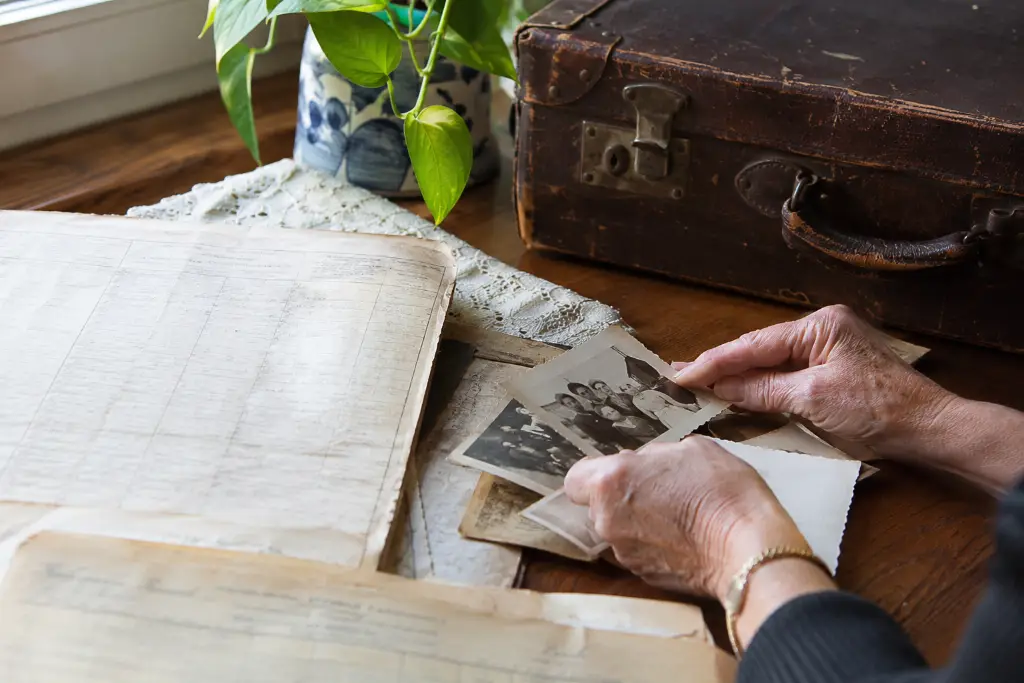
In Greece, a woman’s surname is the “of” form of the family name, the genitive:
- ο Παπαδόπουλος, η Παπαδοπούλου
- ο Σαββίδης, η Σαββίδου
- ο Παπαδάκης, η Παπαδάκη
So a Greek woman named Papadopoulou is simply “of the Papadopoulos family”. Some surnames are in this “of” form for men too: Παπανδρέου, “of the priest Andreas”, or Γεωργίου, “of Georgios”. These are especially common in Cyprus.
Papadopoulos, Pappas, and the Ellis Island story
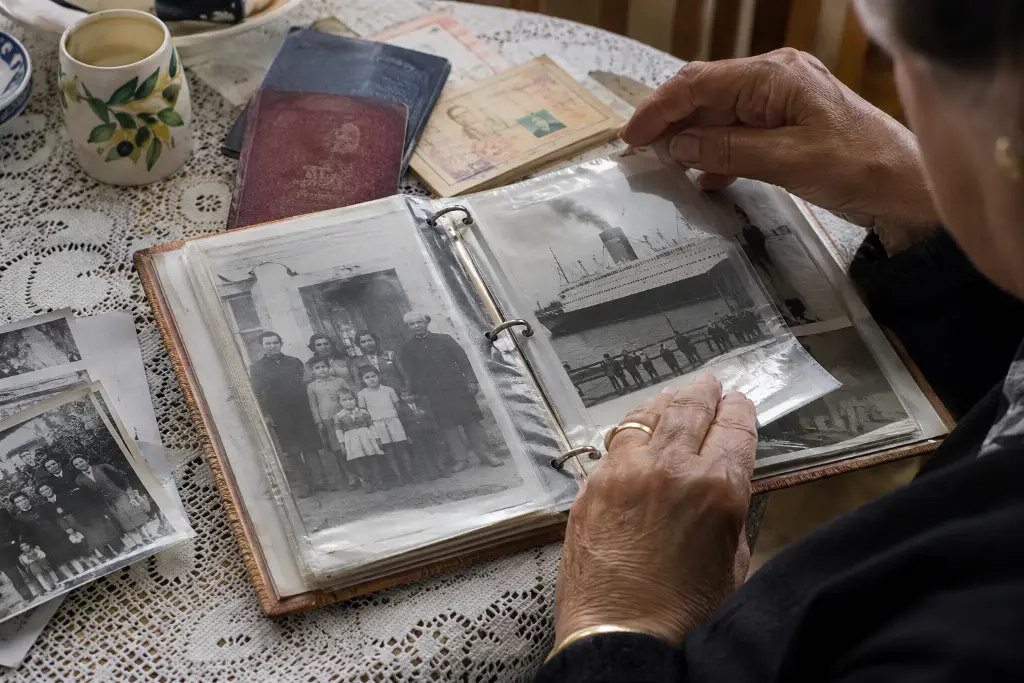
Many Greek-American names were shortened: Παπαδόπουλος, Παπαδάκης and other Papa- names often became Pappas. Many families tell it the same way: “they changed our name at Ellis Island.”
Historians tell a different story. The officials at Ellis Island did not change names: they checked each arrival against the ship’s passenger list, which was drawn up at the port of departure. Names were usually changed later, most often by the immigrants themselves, for work, for school or at naturalization, sometimes years after arrival.
That makes the change part of the family’s own story: a decision someone made to get along in a new country. The Greek name is still there, on the old papers, waiting to be read.
At the festival, with an older man from the parish
- Manpos se LE-ne, pe-THEE moo?What is your name, my child?
- YouLE-go-me mar-KA-kis.My name is Markakis.
- Manmar-KA-kis? a-PO tin KREE-ti, li-PON!Markakis? From Crete, then!
- Youne, o pa-POOS moo EE-tan a-PO ta ha-NYA.Yes, my grandfather was from Chania.
Questions people ask
What do Greek last names ending in -akis mean?
-akis («-άκης») began as a “little” ending and came to mean “son of”: Papadakis, the priest’s son. It is found above all in Crete, though not only there.
What does -opoulos mean in a Greek last name?
«-όπουλος» means “son of”, from a word for a young one. Papadopoulos is the priest’s son, Georgakopoulos the son of Georgakis. The ending is most typical of the Peloponnese but is found all over Greece.
Where are Greek last names ending in -idis from?
«-ίδης» and «-ιάδης» (-idis, -ides, -iadis) lean toward Pontus and Asia Minor, and many such families settled in northern Greece after 1922. It is a tendency, not a rule.
Why do some Greek last names end in -ou?
Usually because it is a woman’s surname: in Greece she carries the “of” form of the family name, so Papadopoulos becomes Papadopoulou. Some men’s names are in that form too, such as Papandreou and Georgiou, especially in Cyprus.
Was my Greek family name changed at Ellis Island?
Probably not there. Historians say officials at Ellis Island did not change names: they worked from passenger lists drawn up at the port of departure. Changes usually came later, most often made by the immigrants themselves, at work, at school or at naturalization.
What does Papa- mean in a Greek last name?
«Παπα-» comes from «παπάς» (pa-PAS), priest: an ancestor was a village priest. Papadopoulos, Papadakis and Papanikolaou all carry it, and Pappas is often a shortened form.
You can say it. Now learn to read it.
Where are you starting from?
Born abroad, Greek by family: you never have to choose. Start from the Greek you already carry.
- About 1.2 million Americans are of Greek descent. About one in five speaks Greek at home. (US Census Bureau, 2019)
Learn the Greek you grew up hearing: Greek-Americans · Greek-Australians · Greek-Canadians · British Greeks and Cypriots · Deutschgriechen (auf Deutsch) · All Greek Heritage pages