
Greek for Greek-Americans
Greek Christmas and New Year greetings, and what to reply
At Christmas Greeks say «Καλά Χριστούγεννα» (ka-LA hri-STOO-ye-na), “Merry Christmas”, and «Χρόνια πολλά» (HRO-nya po-LA), “many years”, which works for every feast. From New Year’s Day it is «Καλή χρονιά» (ka-LEE hro-NYA), “a good year”. The reply to all three is the greeting itself, or «Επίσης» (e-PEE-sis): “same to you”.
This page is a taste of the course: Greek written, spoken and practiced, from the alphabet to real conversation. Start free →
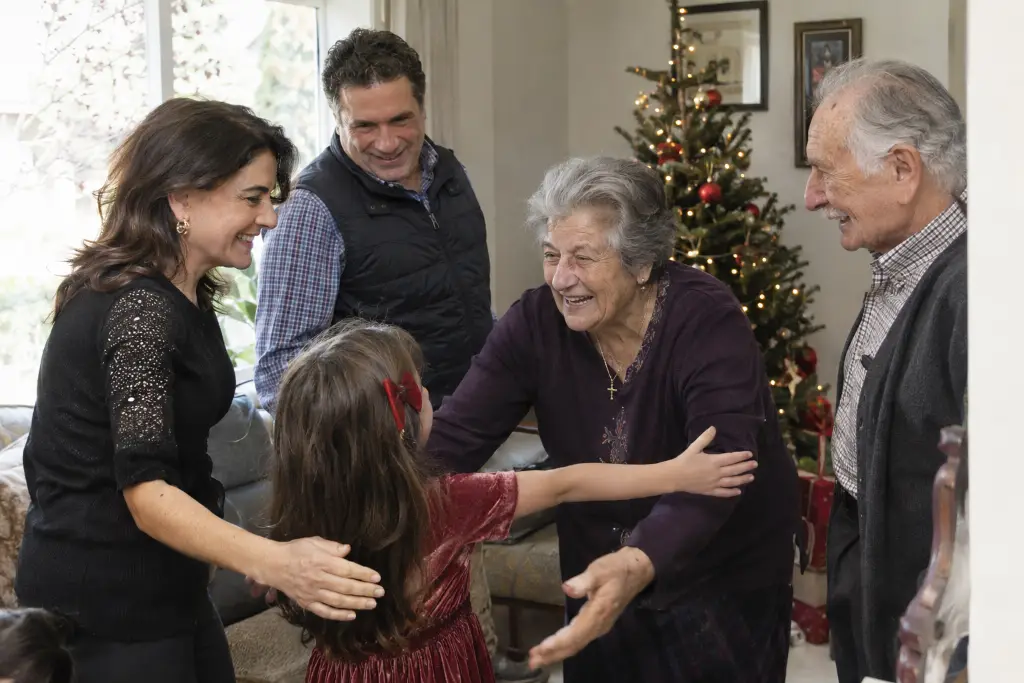
The greetings, and the answers
| In Greek | How it sounds | What it means |
|---|---|---|
| ka-LA hri-STOO-ye-na | Merry ChristmasFrom a few days before Christmas until the 25th. Answer with the same words. | |
| HRO-nya po-LA | Many years (many happy returns)The all-purpose wish: Christmas, New Year, name days, birthdays. If you remember only one, remember this. | |
| e-PEE-sis | Likewise, same to youThe easy reply to any greeting on this page. | |
| ka-LES yor-TES | Happy holidaysCovers the whole season, from mid-December to Epiphany on January 6. | |
| ka-LEE hro-NYA | Have a good yearAt New Year and through the first weeks of January, the first time you see someone. | |
| ka-LEE pro-to-hro-NYA | Happy New Year’s DayOn December 31 and January 1. | |
| ef-ti-hiz-ME-no to NE-o E-tos | Happy New Year (formal)For cards and toasts. In conversation people say «Καλή χρονιά». | |
| ke too HRO-noo | And next year tooSaid as the feast ends: may we be together again next year. | |
| me i-YEE-a | With healthAdded to almost any wish: «Χρόνια πολλά με υγεία». | |
| na EE-ste ka-LA | May you be wellA warm way to say thank you to someone older, or to more than one person. |
From the course
Try it the way the course teaches it
Question 1 of 4. What does it mean?
Καλά Χριστούγεννα
Learn the Greek your family speaks, properly
CHF 129 for all six levels, paid once. No subscription. A free starter course at every level.
One click, no password to create · the free course starts at once
Which greeting, on which day
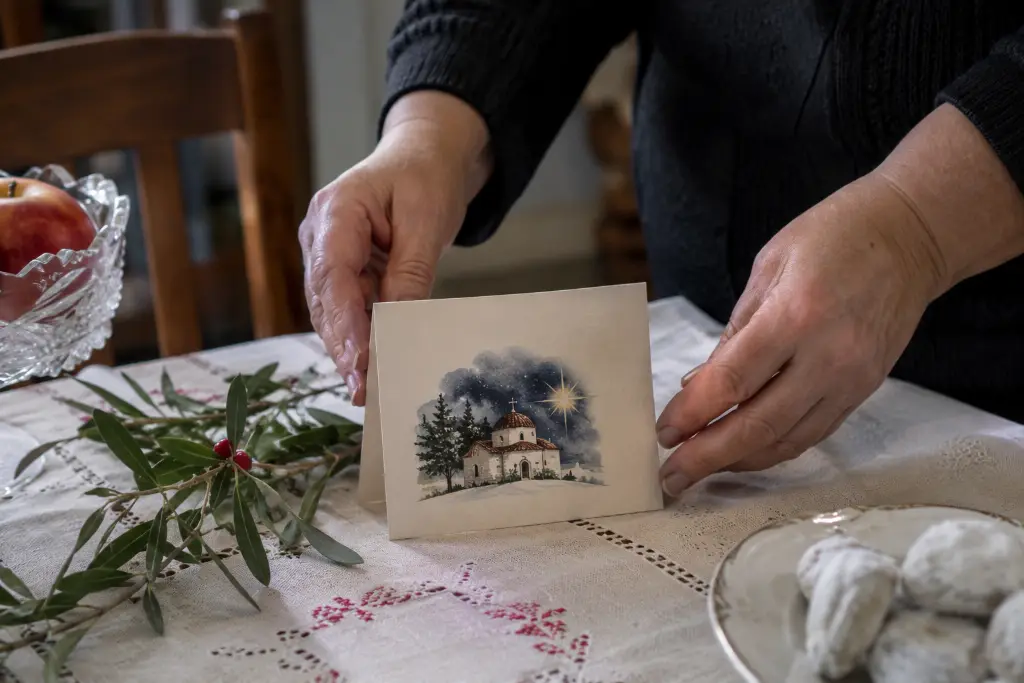
Greek greetings follow the calendar, so the date tells you which one to use.
- Before and on December 25: «Καλά Χριστούγεννα». On the day itself «Χρόνια πολλά» is just as common.
- December 26 to 31: «Χρόνια πολλά» and «Καλές γιορτές».
- January 1 onward: «Καλή χρονιά». Greeks keep saying it well into January, to each person they meet for the first time that year.
Greek Orthodox parishes in America keep Christmas on December 25, as the Church of Greece does. January 7 is Christmas for the churches that follow the old calendar, such as the Russian and Serbian ones.
What to answer
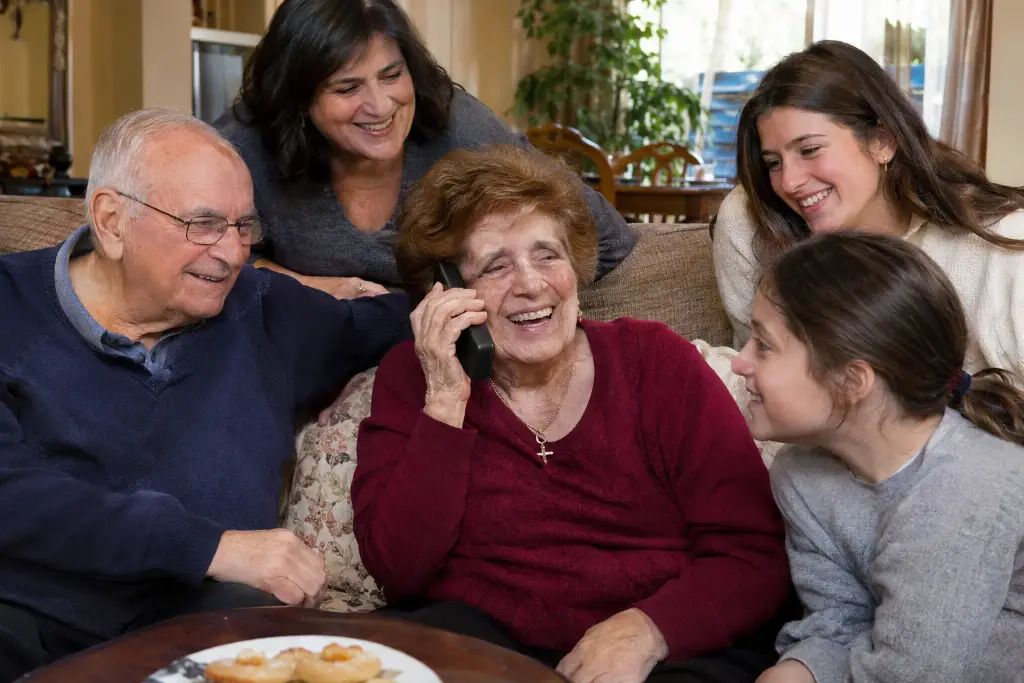
When someone says «Χρόνια πολλά» to you over the holidays, any of these three answers is right:
- Say it back: «Χρόνια πολλά!»
- «Επίσης», “same to you”.
- «Ευχαριστώ, επίσης» (ef-ha-ri-STO, e-PEE-sis), “thank you, same to you”.
To a grandparent, or to several people at once, the warm answer is «Να είστε καλά», “may you be well”.
Name days in the same two weeks
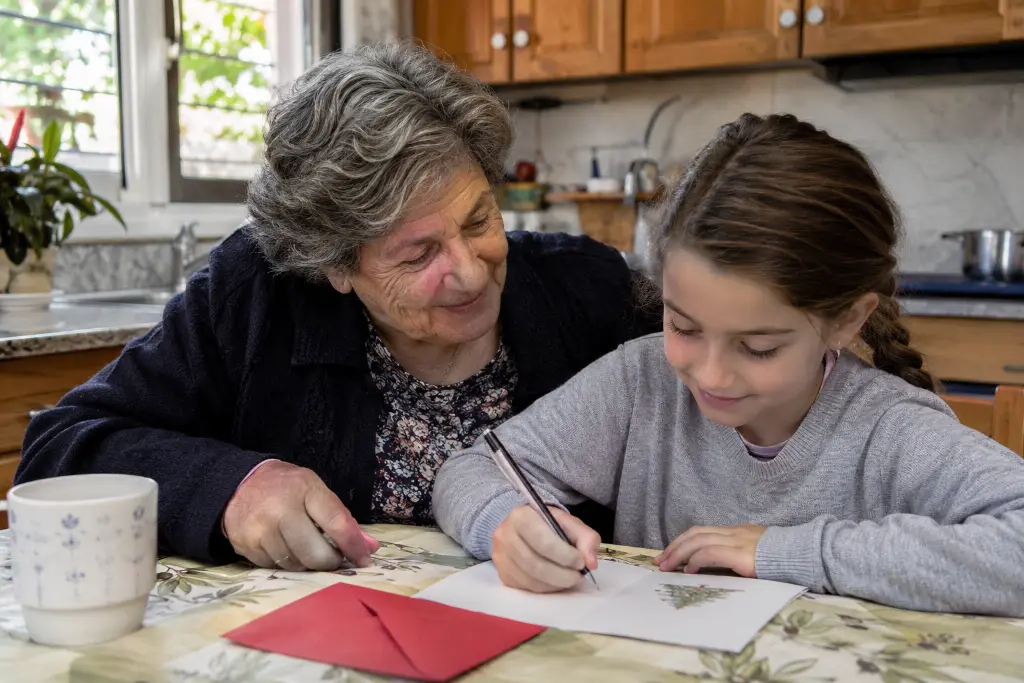
The holidays are full of name days, and in many Greek families a name day matters as much as a birthday. On each of them the wish is again «Χρόνια πολλά».
- December 25: Christos, Christina.
- December 26: Emmanuel, Manolis.
- December 27: Stefanos, Stefania (Stephen, Stephanie).
- January 1: Vasilis (Bill), Vasiliki (Vicky).
- January 6: Fotis, Fotini, Theofanis.
- January 7: Yiannis (John), Ioanna (Joanna).
What to write in a card
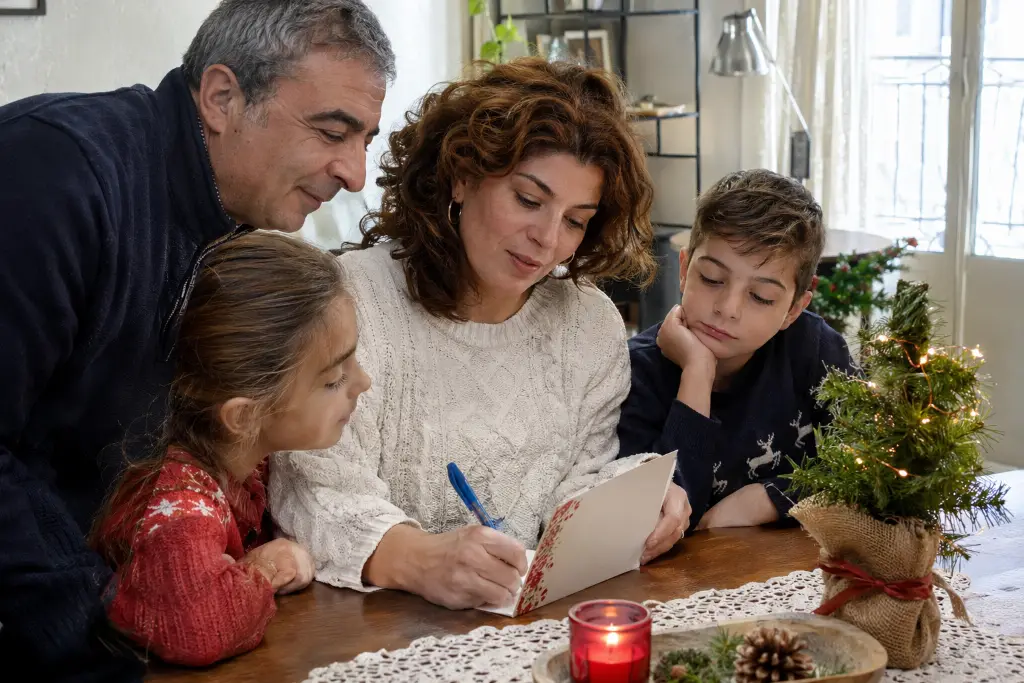
A card to relatives in Greece does not need to be long. Two lines in Greek letters mean more than a paragraph in English.
- «Καλά Χριστούγεννα και ευτυχισμένο το νέο έτος!» Merry Christmas and a happy New Year.
- «Χρόνια πολλά με υγεία και χαρά» (HRO-nya po-LA me i-YEE-a ke ha-RA). Many years, with health and joy.
- Sign with «Με αγάπη» (me a-GA-pi), “with love”, and your name.
At the door on Christmas Day
- AuntHRO-nya po-LA, pe-THEE moo! ka-LA hri-STOO-ye-na!Many years, my child! Merry Christmas!
- YouHRO-nya po-LA, THEE-a! e-PEE-sis.Many years, Aunt! Same to you.
- Auntke too HRO-noo me i-YEE-a.And next year too, with health.
- Youna EE-ste ka-LA.May you be well.
Questions people ask
How do you pronounce Kala Christougenna?
ka-LA hri-STOO-ye-na. The stress falls on the second syllable of each word, the “ch” is a breathy h, never the “ch” of “chair”, and the “g” before “e” sounds like a y.
What does Chronia polla mean?
Literally “many years”: may you live many years. It is said at Christmas, New Year, Easter, on name days and on birthdays, which is why it is the most useful Greek wish to know.
How do you respond to Chronia polla?
Say «Χρόνια πολλά» back, or «Επίσης» (e-PEE-sis), “same to you”. If it is your own name day or birthday, answer «Ευχαριστώ» (ef-ha-ri-STO), “thank you”.
What is the difference between Kali chronia and Chronia polla?
«Καλή χρονιά» means “have a good year” and belongs to New Year: you say it from January 1. «Χρόνια πολλά» means “many years” and fits any feast, any day of the year.
Do Greeks say Merry Christmas on January 7?
No. The Church of Greece and the Greek Orthodox Archdiocese of America celebrate Christmas on December 25. January 7 is Christmas for the churches that keep the old calendar; in Greece it is the name day of Yiannis and Ioanna.
Is it spelled Kala Christougenna or Kala Hristouyenna?
Both are ways of writing «Καλά Χριστούγεννα» in Latin letters, and you will also see Xristougenna. In Greek letters there is only one spelling.
You can say it. Now learn to read it.
Where are you starting from?
Born abroad, Greek by family: you never have to choose. Start from the Greek you already carry.
- About 1.2 million Americans are of Greek descent. About one in five speaks Greek at home. (US Census Bureau, 2019)
Learn the Greek you grew up hearing: Greek-Americans · Greek-Australians · Greek-Canadians · British Greeks and Cypriots · Deutschgriechen (auf Deutsch) · All Greek Heritage pages