
Greek for Greek-Americans
Chronia polla: what it means and how to answer
«Χρόνια πολλά» (HRO-nya po-LA) means “many years”: may you live many years. Greeks say it on name days, birthdays and every big feast. On a shared feast, answer with the same words or with «Επίσης» (e-PEE-sis), “same to you”; when the day is yours, answer «Ευχαριστώ» (ef-ha-ri-STO), “thank you”.
This page is a taste of the course: Greek written, spoken and practiced, from the alphabet to real conversation. Start free →
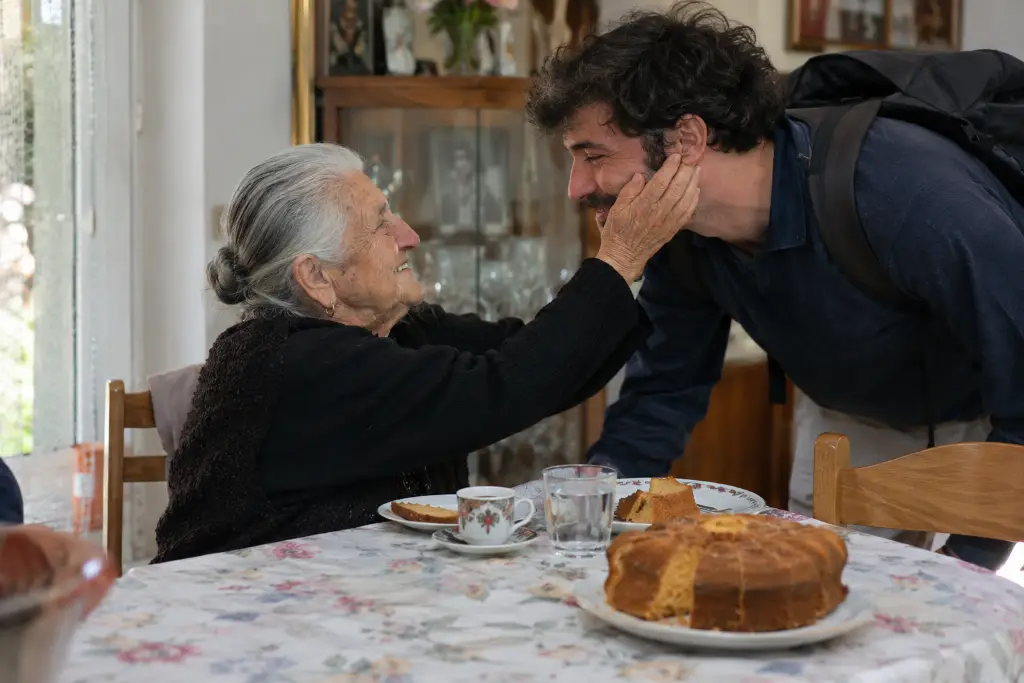
The wish, the answers, and what goes with it
| In Greek | How it sounds | What it means |
|---|---|---|
| HRO-nya po-LA | Many years (many happy returns)Name days, birthdays, Christmas, New Year, Easter, anniversaries. Also written chronia, xronia or hronia polla. | |
| e-PEE-sis | Likewise, same to youThe answer on a feast you both celebrate, such as Christmas or Easter. | |
| ef-ha-ri-STO | Thank youThe answer when it is your own name day or birthday. | |
| ef-ha-ri-STO, na EE-se ka-LA | Thank you, may you be wellThe warmer answer. To someone older or to several people: «να είστε καλά» (na EE-ste ka-LA). | |
| na ta e-ka-to-STEE-sis | May you reach a hundredA birthday wish, said right after «Χρόνια πολλά». | |
| na HE-re-se to O-no-MA soo | Enjoy your name day (literally: may you rejoice in your name)A name-day wish, to the person celebrating. | |
| na ton HE-re-se | May he bring you joySaid to the parent, wife or husband of the person celebrating. For a woman: «Να τη χαίρεσαι» (na ti HE-re-se). | |
| O-ti e-pi-thi-MEES | Whatever you wish forAdded after the wish: «Χρόνια πολλά, ό,τι επιθυμείς». | |
| po-LEE-hro-nos | May you live long (to a man)A one-word wish for a name day or birthday. To a woman: «Πολύχρονη» (po-LEE-hro-ni). | |
| ke too HRO-noo | And next year tooSaid as the celebration ends: may we be together again next year. | |
| HRO-nya po-LA, ya-YA | Many years, GrandmaAdd the person after the wish: «Χρόνια πολλά, παππού», «Χρόνια πολλά, νονά». |
From the course
Try it the way the course teaches it
Question 1 of 4. What does it mean?
Χρόνια πολλά
Learn the Greek your family speaks, properly
CHF 129 for all six levels, paid once. No subscription. A free starter course at every level.
One click, no password to create · the free course starts at once
What the two words mean
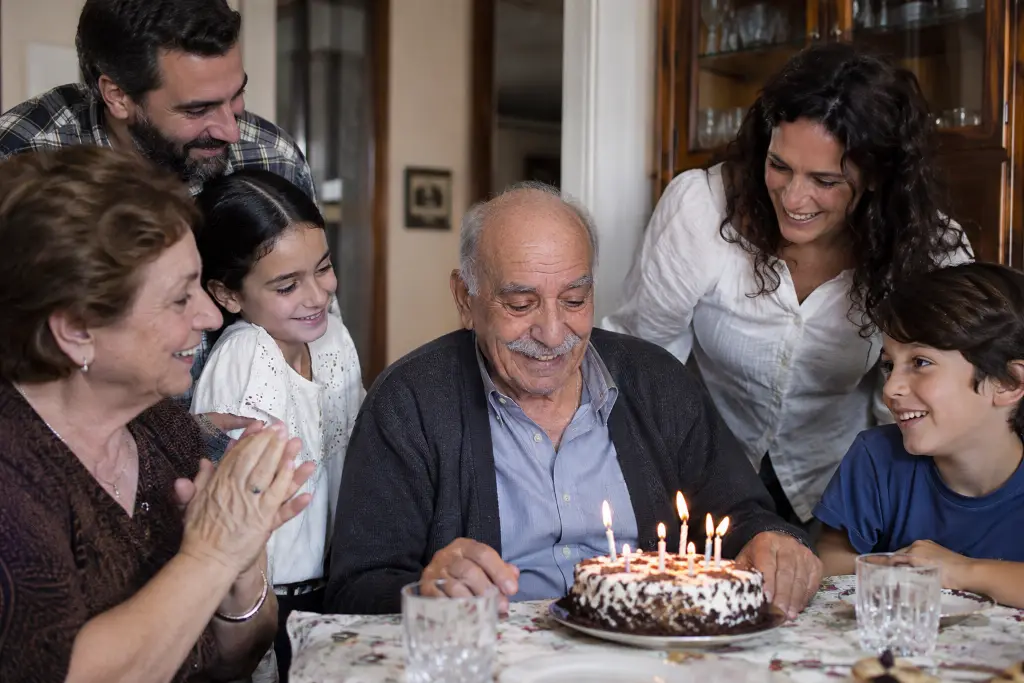
Χρόνια means “years” and πολλά means “many”. Together: many years. The full thought behind it is “may you live many years”, and that is why it fits a birthday and a saint’s day equally well.
It is not really “happy birthday” and not really “happy holidays”. It is one wish that Greek uses where English needs several. If you learn a single Greek phrase for family occasions, this is the one.
When Greeks say it

- Name days. The day of the saint a person is named after. This is the classic use.
- Birthdays. Often followed by «Να τα εκατοστήσεις».
- Christmas, New Year and Easter. Alongside the greeting of each feast.
- August 15, the feast of the Virgin Mary, when every Maria, Panagiotis and Despina celebrates.
- Wedding anniversaries.
- You will also hear it on March 25 and October 28, the two national days of Greece.
It is a wish for the living on a happy day. It is not said at a funeral or a memorial service.
How to answer
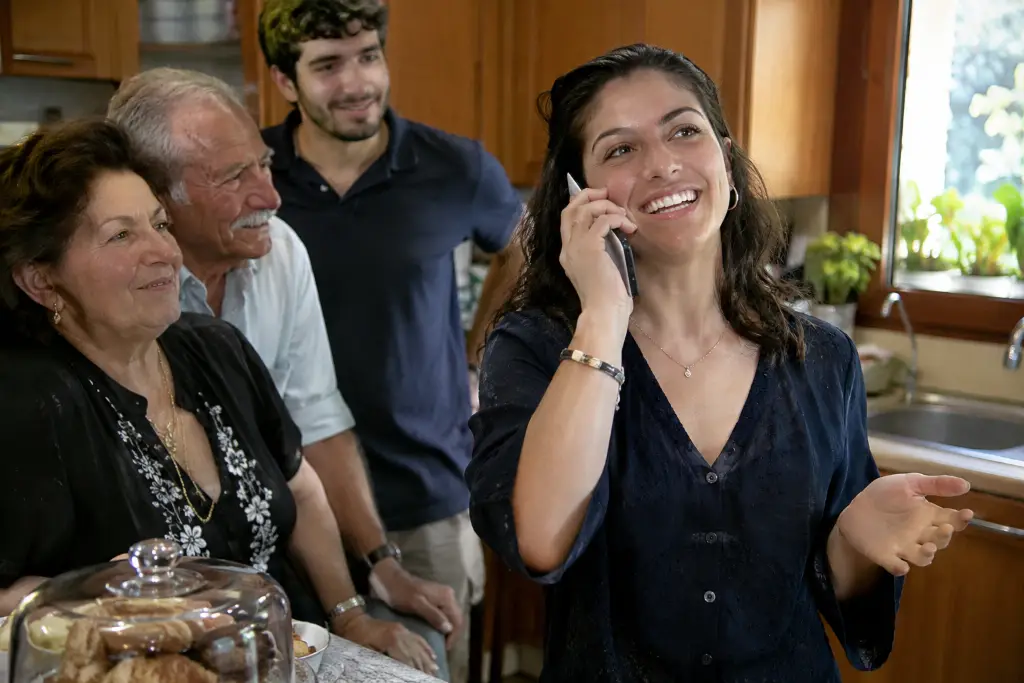
The answer depends on one question: whose day is it?
- The feast belongs to both of you (Christmas, Easter, New Year): say «Χρόνια πολλά» back, or «Επίσης».
- The day is yours (your name day, your birthday): say «Ευχαριστώ», or «Ευχαριστώ, να είσαι καλά». Here «Επίσης» does not fit, because it is not the other person’s day.
- Someone in your family is celebrating and people wish you «Να τον χαίρεσαι»: answer «Ευχαριστώ».
Nobody expects a speech. A clear «Ευχαριστώ» in Greek from a grandchild who grew up in America is enough to make a yiayia’s day.
Chronia, xronia, hronia: three spellings, one phrase

The phrase is written Χρόνια πολλά. The first letter, Χ, has no twin in English, and that is the whole problem.
- Chronia is the traditional way to write χ in English, as in “chronology”.
- Xronia is how Greeks often type it in Latin letters, because χ looks like x.
- Hronia is the closest to the sound.
Say HRO-nya po-LA. The χ is a breathy h made at the back of the mouth; it is never the “ch” of “chair” and never a k. Χρόνια has two syllables, not three: the ι glides into the α. The double λ of πολλά is said as one l, with the stress on the end.
A phone call on a name day
- YouHRO-nya po-LA, THEE-e! na HE-re-se to O-no-MA soo.Many years, Uncle! Enjoy your name day.
- Uncleef-ha-ri-STO, pe-THEE moo. na EE-se ka-LA.Thank you, my child. May you be well.
- YouO-ti e-pi-thi-MEES!Whatever you wish for!
- Uncleke too HRO-noo, na EE-ma-ste O-li ma-ZEE.And next year too, may we all be together.
Questions people ask
What does chronia polla mean?
It means “many years”: «χρόνια» is years and «πολλά» is many. It is a wish that the person may live many years, and Greeks use it for name days, birthdays and the big feasts.
How do you respond to chronia polla (xronia polla)?
On a feast you both celebrate, say «Χρόνια πολλά» back or «Επίσης» (e-PEE-sis), “same to you”. If it is your own name day or birthday, say «Ευχαριστώ» (ef-ha-ri-STO), “thank you”.
Is it chronia polla, xronia polla or hronia polla?
All three are the Greek «Χρόνια πολλά» in Latin letters. Chronia is the traditional spelling, xronia copies the shape of the Greek letter χ, and hronia follows the sound.
How do you pronounce chronia polla?
HRO-nya po-LA. The first sound is a breathy h, not the “ch” of “chair”. Stress the first syllable of the first word and the last syllable of the second.
Does chronia polla mean happy birthday?
It is what Greeks say on a birthday, but the words mean “many years”, and the same wish is used on name days and feasts. For a birthday, people often add «Να τα εκατοστήσεις» (na ta e-ka-to-STEE-sis), “may you reach a hundred”.
How do you write chronia polla in Greek letters?
Χρόνια πολλά. In capitals, as on a cake or a banner: ΧΡΟΝΙΑ ΠΟΛΛΑ.
You can say it. Now learn to read it.
Where are you starting from?
Born abroad, Greek by family: you never have to choose. Start from the Greek you already carry.
- About 1.2 million Americans are of Greek descent. About one in five speaks Greek at home. (US Census Bureau, 2019)
Learn the Greek you grew up hearing: Greek-Americans · Greek-Australians · Greek-Canadians · British Greeks and Cypriots · Deutschgriechen (auf Deutsch) · All Greek Heritage pages